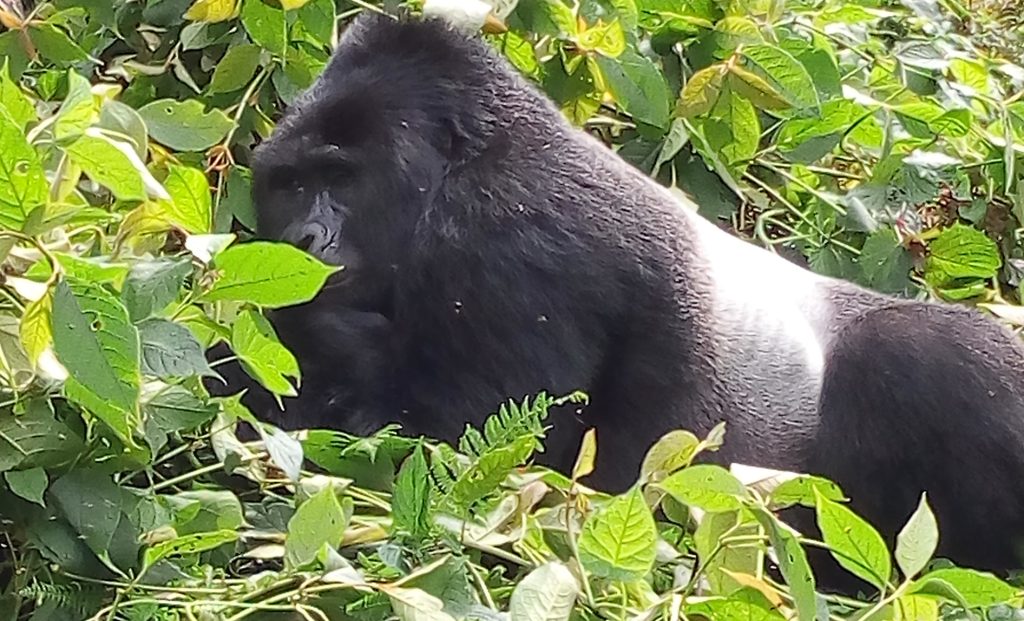
Top 5 Mistakes to Avoid on Your Gorilla Tracking Safari
Planning a gorilla tracking safari in Uganda or Rwanda is a bucket-list experience for many wildlife lovers. Coming face-to-face with a mountain gorilla family in the misty forests of Bwindi Impenetrable National Park, Mgahinga, or Volcanoes National Park is truly unforgettable. But a few common mistakes can make or break your once-in-a-lifetime adventure.
At Mandrill African Safaris, we’ve guided hundreds of travelers to the best gorilla tracking experiences in East Africa. To help you get the most out of your journey, we’ve compiled a list of the top 5 mistakes to avoid when planning and embarking on your gorilla safari.
1. Booking Your Gorilla Permit Late
Why this matters: Gorilla tracking is one of the most sought-after wildlife experiences in Africa. Because the number of daily permits is strictly limited to protect the gorillas and their habitat, permits sell out months in advance, especially in peak seasons (June–September and December–February).
The fix: Book your gorilla permit at least 3 to 6 months in advance. In Uganda, permits for Bwindi Impenetrable Forest and Mgahinga are issued by the Uganda Wildlife Authority (UWA). In Rwanda, permits for Volcanoes National Park are managed by the Rwanda Development Board (RDB). Booking through a trusted tour operator like Mandrill African Safaris ensures your permit is secured early and all logistics are handled smoothly.
2. Underestimating Physical Fitness Requirements
Why this matters: Gorilla tracking isn’t a casual nature walk. It often involves hiking for 2–6 hours through steep hills, dense vegetation, and sometimes slippery trails—especially during the rainy season. If you’re not physically prepared, you may struggle to keep up with the group or enjoy the experience fully.
The fix: Engage in some light hiking or cardio training before your trip to improve your endurance. When booking your tour, mention your fitness level—at Mandrill African Safaris, we tailor treks to your capability and request a tracking group that suits your stamina level. Porters are also available to assist with backpacks or lend a helping hand.
3. Wearing the Wrong Clothes and Footwear
Why this matters: Many first-time trekkers overlook how crucial proper gear is. Without the right clothing, you could be uncomfortable, wet, or even exposed to biting insects, thorns, or stinging plants.
The fix: Pack long-sleeved shirts, long trousers, a waterproof jacket, gardening gloves, and ankle-high hiking boots with good grip. Neutral colors like green, khaki, or brown blend into the environment and reduce the chance of disturbing wildlife. Don’t forget a hat, sunscreen, and insect repellent.
4. Not Acclimatizing Before the Trek
Why this matters: Gorilla habitats are located at altitudes between 2,200 to 3,000 meters (7,000–9,800 feet) above sea level. If you’re flying in from a low-altitude region, heading straight into a high-elevation trek can leave you dizzy, short of breath, or fatigued.
The fix: Arrive in Kigali, Entebbe, or Kampala a day or two early to rest and acclimatize. You can also combine your gorilla tracking safari with a game drive in Queen Elizabeth National Park or a cultural tour of Kigali to give your body time to adjust..
5. Ignoring Gorilla Tracking Rules and Etiquette
Why this matters: Gorillas are endangered and highly susceptible to human diseases. Disregarding the gorilla tracking rules can endanger the animals and reduce the chances of a peaceful encounter.
The fix: Always follow the instructions of your UWA or RDB guide. Keep at least 7 meters (23 feet) away from the gorillas, speak in a low voice, don’t eat or drink in front of them, and never use flash photography. If you’re feeling ill, don’t go trekking—you could transmit diseases to the gorillas.
Respecting these rules not only protects the primates but also ensures a safe, ethical, and responsible safari.
Bonus Tips for a Successful Gorilla Safari
-
Bring a walking stick – Often provided at the briefing center, it’s helpful for stability on steep trails.
-
Carry enough water and energy snacks – Tracking can be long and tiring.
-
Hire a porter – It’s affordable, supports the local economy, and makes your trek more comfortable.
-
Book with a reliable tour operator – Like Mandrill African Safaris, we offer all-inclusive packages, from permits and transport to accommodation and guided treks.
Final Thoughts
Gorilla tracking is one of the most life-changing wildlife encounters you can have. But proper planning is essential to ensure it’s also safe, comfortable, and deeply rewarding. By avoiding these common mistakes, you’ll be fully prepared to immerse yourself in the magic of East Africa’s rainforests, surrounded by ancient trees, birdsong, and—most importantly—a family of majestic mountain gorillas.
At Mandrill African Safaris, we specialize in customized gorilla tracking safaris to Bwindi, Mgahinga, and Volcanoes National Park, tailored to your preferences, pace, and budget. Let us help you make the most of your gorilla trekking adventure.