

Hidden Wildlife Attractions in Rwanda: Discover the Country Beyond Gorilla Trekking
2026-08-20
Gabonese Cuisine vs Other Central African Foods: What Makes It Unique?
2026-08-24
Nature Reserves You Should Visit in Burundi: A Guide to the Country’s Hidden Natural Treasures
Burundi may be one of East Africa’s smaller countries, but its natural beauty is anything but small. From mist-covered mountain forests and wildlife-rich wetlands to peaceful lakeshores and savannah landscapes, Burundi offers a fascinating collection of protected areas for travelers who want to experience Africa away from the busiest safari routes.
For nature lovers, birdwatchers, hikers, photographers, and adventurous safari travelers, Burundi nature reserves provide an opportunity to discover landscapes that remain relatively unexplored by international tourists. The country has several national parks and nature reserves, including Kibira, Rusizi, Ruvubu, Bururi, Kigwena, Rumonge, Vyanda, and Lake Rwihinda.
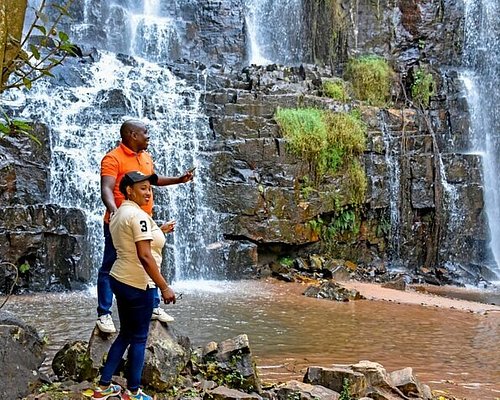
At Mandrill African Safaris, we believe Burundi deserves a place on the East African travel map. If you are planning an East African safari and want to add something different to your itinerary, here are some of the best nature reserves and protected areas to visit in Burundi.
1. Kibira National Park
Although technically a national park rather than a nature reserve, Kibira National Park is one of Burundi’s most important natural destinations and should be high on every nature enthusiast’s list.
Located along the Congo-Nile Ridge, Kibira protects an extensive montane rainforest ecosystem. The park rises to elevations of approximately 1,500–2,660 metres and covers around 40,000 hectares according to Burundi’s tourism authority. Its forest supports numerous mammals, primates, and bird species.
Kibira is particularly attractive to travelers interested in chimpanzee trekking in Burundi, primate watching, birdwatching, forest hiking, and photography. Visitors can encounter primates such as chimpanzees, baboons, black colobus monkeys, and other forest species.
One of the most impressive features of Kibira is its connection with Rwanda’s Nyungwe ecosystem. Together, these forests form an important part of the wider Albertine Rift landscape.
The journey to Kibira can also be an attraction in itself, with tea plantations around Teza and Rwegura adding spectacular scenery to the experience. Guided walks allow visitors to explore the forest while learning about its plants, wildlife, and ecological importance.
Why visit Kibira?
- Montane rainforest scenery
- Chimpanzee and primate habitats
- Excellent birdwatching opportunities
- Forest hiking and nature walks
- Tea plantation landscapes
- Important Congo-Nile watershed ecosystem
2. Rusizi National Park
For travelers looking for wildlife and wetlands close to Bujumbura, Rusizi National Park is one of the easiest protected areas to include in a Burundi safari.
The park lies around the Rusizi River delta, where the river flows toward Lake Tanganyika. Burundi’s tourism authority highlights its rich flora and fauna, including hippopotamuses and large numbers of birds.
The wetland environment makes Rusizi particularly appealing to birdwatchers in Burundi. Its combination of river channels, wetlands, grasslands, palms, and other habitats creates an excellent environment for aquatic and terrestrial bird species.
The park is also known for its hippos, making it a good destination for travelers who want to combine wildlife viewing with a city-based Burundi itinerary.
Because Rusizi is close to Bujumbura, it can work especially well as part of a short Burundi tour. Visitors can explore the reserve before or after discovering the city, Lake Tanganyika, local markets, and cultural attractions.
Top experiences in Rusizi
- Hippo viewing
- Birdwatching
- Wetland exploration
- Wildlife photography
- Nature walks
- Combining a safari with Bujumbura sightseeing
3. Ruvubu National Park
If your idea of an African safari involves open landscapes, wildlife, rivers, and traditional game-viewing experiences, Ruvubu National Park deserves serious consideration.
Located in northeastern Burundi, Ruvubu is the country’s largest protected ecosystem, covering more than 50,000 hectares. The official tourism authority lists buffalo, antelopes, monkeys, and hippos among the wildlife found in the park.
The park takes its name from the Ruvubu River, which passes through the protected area and contributes to its diverse habitats.
Unlike the dense forests of Kibira, Ruvubu provides a more open environment of savannah, woodland, riverine areas, and grasslands. This makes it an interesting choice for travelers looking for a Burundi wildlife safari.
Guided excursions can range from shorter walks to longer day experiences, giving visitors the chance to appreciate the park’s scenery and wildlife.
Why Ruvubu is special
Ruvubu offers a more traditional safari atmosphere than Burundi’s forest reserves. It is particularly appealing to travelers interested in:
- Buffalo
- Antelopes
- Hippos
- Monkeys
- Savannah landscapes
- River ecosystems
- Wildlife photography
4. Bururi Forest Nature Reserve
For travelers who prefer quiet forests and hiking rather than large-game safari experiences, Bururi Forest Nature Reserve is a wonderful choice.

Located in southern Burundi, Bururi protects an important highland forest ecosystem. The reserve is recognized as part of Burundi’s protected-area network and is associated with Afromontane forest habitats.
The cool highland environment provides a completely different experience from the wetlands of Rusizi or the savannah landscapes of Ruvubu.
Visitors can enjoy forest walks, birdwatching, plant observation, and photography. The peaceful atmosphere also makes Bururi attractive for travelers looking for an authentic off-the-beaten-path Burundi experience.
Instead of expecting a Big Five safari, visitors should come here for the forest itself—the trees, sounds, birds, vegetation, and changing mountain scenery.
Best activities
- Forest hiking
- Birdwatching
- Botanical exploration
- Nature photography
- Scenic walks
- Cultural and community experiences
5. Kigwena Forest Reserve
Situated near the western foothills of the Congo-Nile range, Kigwena Forest Reserve is another fascinating destination for nature lovers.
According to Burundi’s tourism authority, the reserve was established in 1954 and covers approximately 3,300 hectares in its described protected forest area. The reserve is also associated with the Mugara hot springs, adding another attraction to the surrounding landscape.
Kigwena is important because it represents a different type of forest ecosystem from the high-altitude forests of Kibira and Bururi.
A visit can be combined with exploration of the Lake Tanganyika corridor, making it a useful stop on a southern Burundi itinerary.
What makes Kigwena worth visiting?
- Forest scenery
- Birdwatching
- Nature walks
- Proximity to Lake Tanganyika attractions
- Mugara hot springs
- Quiet and less crowded surroundings
6. Vyanda Nature Reserve
Vyanda Nature Reserve is another important protected area in southern Burundi and is particularly interesting for travelers fascinated by forests and primates.
The Visit Burundi tourism platform describes Vyanda as a protected reserve covering approximately 4,670 hectares, with habitats that vary according to altitude. These include woodland, forest galleries, and higher-elevation forest environments.
Chimpanzees are among the wildlife associated with the reserve, making Vyanda an interesting destination for travelers seeking primate experiences in Burundi.
The reserve can also be incorporated into a southern Burundi itinerary alongside Bururi, Rumonge, and Lake Tanganyika.
For adventurous travelers, Vyanda offers an opportunity to explore a protected natural environment while supporting the broader conservation and tourism economy of southern Burundi.
7. Rumonge Nature Reserve
Located in southern Burundi near the Lake Tanganyika corridor, Rumonge Nature Reserve provides another opportunity to explore the country’s forests and wildlife.
The reserve contains forest habitats and supports primates, birds, butterflies, and other wildlife. Visit Burundi highlights species such as baboons and vervet monkeys, as well as strong birdlife.
Rumonge is especially attractive when combined with a Lake Tanganyika safari in Burundi. Travelers can enjoy forest experiences during the day and then explore the lake, beaches, fishing communities, and surrounding landscapes.
This combination creates a diverse itinerary rather than a trip focused exclusively on wildlife.
8. Lake Rwihinda Nature Reserve
Known as the “Lake of Birds,” Lake Rwihinda Nature Reserve is an important destination for bird lovers.
The reserve protects a lake and wetland environment that provides habitat for numerous bird species. It is particularly suitable for travelers interested in bird photography, wetland ecosystems, and peaceful natural landscapes.
If you are planning a birdwatching safari in Burundi, Lake Rwihinda can be an excellent addition to destinations such as Rusizi and Kibira.
The reserve also demonstrates why Burundi’s protected areas should not be judged only by the presence of large mammals. Wetlands and forests are equally important for biodiversity and provide some of the country’s most rewarding experiences for specialist travelers.
Best Time to Visit Burundi Nature Reserves
The best time to visit depends on the experience you want.
Generally, the drier months can make wildlife viewing, hiking, and road travel more convenient, while the wetter periods can bring greener landscapes and excellent conditions for appreciating forests and vegetation.
For birdwatchers, seasonal changes can also influence which species are present and visible.
Because weather conditions can vary between Burundi’s lowlands, wetlands, and mountainous areas, travelers should plan their itinerary according to the specific parks and activities they want to experience.
Before traveling, it is also advisable to confirm current park access, road conditions, guide arrangements, conservation regulations, and local travel requirements with a reputable tour operator.
Why Visit Burundi for a Nature Safari?
Burundi offers something increasingly valuable in modern African tourism: authenticity.
The country does not receive the same level of safari traffic as Kenya, Tanzania, Uganda, or Rwanda. That means travelers who explore its protected areas can experience a quieter side of East Africa.
Its landscapes are remarkably diverse. Within one trip, you can move from high-altitude rainforest to open savannah, wetlands, forest reserves, and the shores of Lake Tanganyika.
Burundi’s protected areas are also important for conservation. UNESCO has highlighted efforts involving Kibira and Rusizi, with initiatives aimed at strengthening their conservation profile and exploring future international recognition.
By visiting responsibly, travelers can contribute to local tourism businesses, guides, communities, and conservation initiatives.
Plan Your Burundi Nature Adventure with Mandrill African Safaris
Burundi is an exciting choice for travelers who want to discover a lesser-known side of East Africa. From the misty forests of Kibira National Park and the wetlands of Rusizi National Park to the wildlife landscapes of Ruvubu National Park and the peaceful forests of Bururi, Vyanda, Kigwena, and Rumonge, the country offers remarkable opportunities for nature and wildlife exploration.
At Mandrill African Safaris, we can help you design a customized Burundi safari that combines wildlife, nature, culture, Lake Tanganyika, and other East African destinations.
Whether you are interested in Burundi safaris, birdwatching, primate trekking, forest hiking, nature reserves, or East African adventure tours, Burundi is a destination worth discovering.
Your next African adventure does not always have to follow the most traveled road. Sometimes, the best stories begin where the crowds are few.


