Wildlife Conservation Success Stories Across East Africa
2026-08-14
Nature Reserves You Should Visit in Burundi
2026-08-20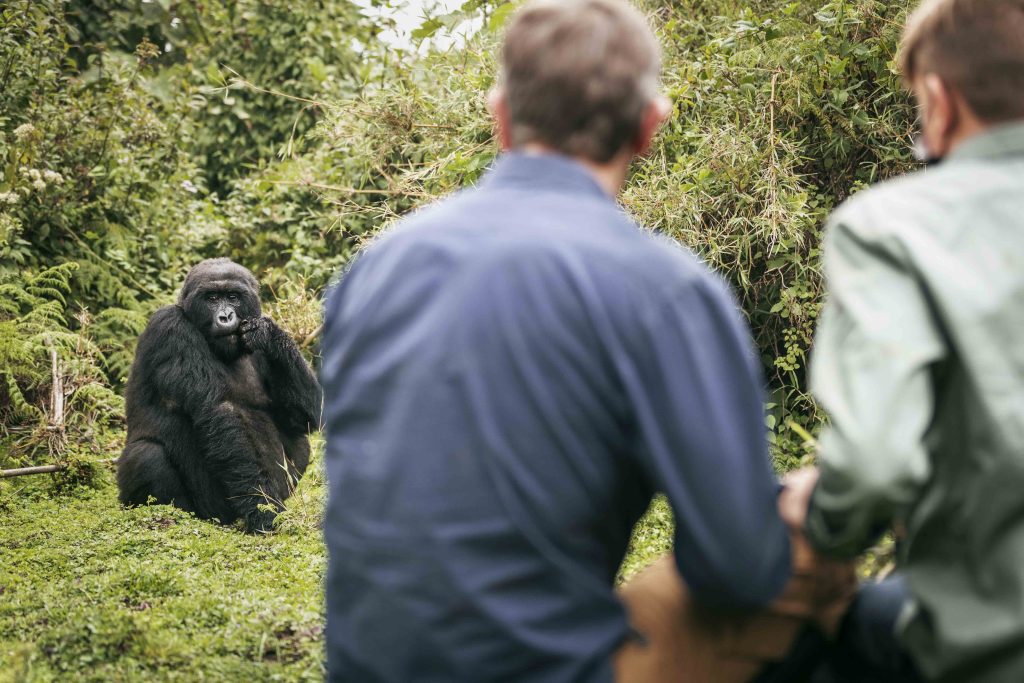
Hidden Wildlife Attractions in Rwanda: Discover the Country Beyond Gorilla Trekking
Rwanda is famous around the world for its mountain gorillas, mist-covered volcanoes, and breathtaking landscapes. But there is much more to a Rwanda wildlife safari than gorilla trekking. Beyond the well-known attractions are quiet forests, wetlands, savannahs, rare primates, colorful birds, waterfalls, and community conservation areas that offer travelers a more intimate experience of the country’s natural heritage.
For travelers searching for hidden wildlife attractions in Rwanda, the country offers several remarkable destinations that are often overlooked when compared with Volcanoes National Park. From the recovering forests of Gishwati-Mukura National Park to the diverse ecosystems of Nyungwe and the wildlife-rich wetlands of Akagera, Rwanda is packed with experiences waiting to be explored.
At Mandrill African Safaris, we believe that the best Rwanda safari is not always about following the busiest route. Sometimes, the most memorable encounters happen when you take the road less traveled.
Rwanda Beyond Gorilla Trekking
A Rwanda safari is often associated with mountain gorillas. Volcanoes National Park remains one of Africa’s premier destinations for gorilla trekking and also offers golden monkey tracking and mountain hiking. However, Rwanda’s protected areas represent several different ecosystems.
The country’s national parks include Volcanoes National Park, Akagera National Park, Nyungwe National Park, and Gishwati-Mukura National Park. Each provides a different wildlife experience, from montane rainforest and chimpanzees to savannah wildlife and wetland species.
If you want to experience the quieter side of Rwanda tourism, these lesser-known attractions deserve a place on your itinerary.
1. Gishwati-Mukura National Park – Rwanda’s Hidden Rainforest Gem
One of the best places to begin your search for hidden wildlife attractions in Rwanda is Gishwati-Mukura National Park in western Rwanda.
Established as Rwanda’s fourth national park in 2015, Gishwati-Mukura consists of Gishwati and Mukura forests and covers about 34 square kilometres plus a buffer zone. The park lies along the Albertine Rift and the ridge separating the Congo and Nile water catchments.
What makes Gishwati-Mukura particularly interesting is its combination of wildlife and conservation.
The forest is home to chimpanzees, golden monkeys, L’Hoest’s monkeys, blue monkeys and other wildlife. Birdwatchers can also look for Albertine Rift endemic species and forest specialists. Visit Rwanda records 232 bird species in Gishwati and 163 in Mukura.
Wildlife experiences in Gishwati-Mukura
Visitors can enjoy:
- Chimpanzee tracking
- Monkey tracking
- Guided forest walks
- Birdwatching
- Waterfall hikes
- Cycling and hiking trails
- Tea plantation visits
- Community tourism experiences
The park’s trails also lead visitors toward waterfalls, rivers and scenic forest areas. Community-based activities include handicrafts, beekeeping, traditional dance, tea experiences and learning about traditional medicine.
For travelers who want off-the-beaten-path Rwanda safaris, Gishwati-Mukura is a fantastic addition.
2. Nyungwe National Park – A Paradise for Primates and Birds
Although Nyungwe National Park is becoming increasingly popular, it is still sometimes overshadowed by Rwanda’s gorilla destination in the north.
This ancient rainforest is one of the most biodiverse areas in Rwanda and is especially attractive to travelers interested in chimpanzee trekking in Rwanda, birdwatching and forest hiking.
Nyungwe is home to around 13 primate species, including chimpanzees, black-and-white colobus monkeys, blue monkeys, L’Hoest’s monkeys and other forest primates. The park also has more than 300 recorded bird species, including Albertine Rift endemics.
The Nyungwe Canopy Walkway
One of the most exciting attractions in the forest is the Nyungwe Canopy Walkway.
Suspended high above the forest floor, the walkway provides spectacular views of the rainforest canopy and surrounding hills. It is an excellent complement to chimpanzee trekking and nature walks.
For adventurous travelers, Nyungwe also offers hiking trails, waterfalls, cycling opportunities and night walks.
A night walk provides the opportunity to search for nocturnal wildlife such as galagos, pottos, tree hyraxes and other creatures that become active after sunset.
3. Akagera’s Hidden Wetland Wildlife
When people think about Rwanda wildlife, they may picture mountain gorillas and rainforest primates. But eastern Rwanda provides an entirely different safari environment.
Akagera National Park is characterized by savannah, woodland, wetlands and numerous lakes. The park has undergone major conservation and restoration efforts, including the reintroduction of lions and rhinos, restoring the possibility of seeing the Big Five on a Rwanda safari.
Beyond the famous animals, Akagera’s wetlands are an attraction in their own right.
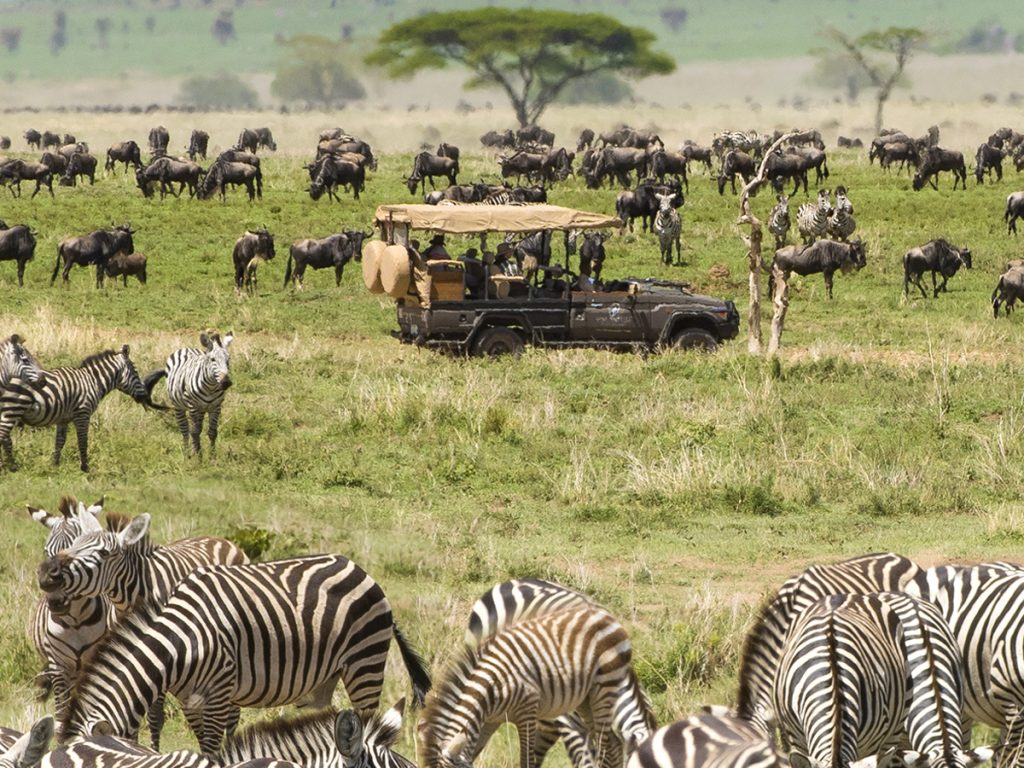
Boat trips can provide opportunities to observe hippos, crocodiles, waterbirds and other wetland species. Game drives reveal giraffes, zebras, buffaloes, elephants, antelopes and numerous smaller animals.
Night wildlife experiences
One of Akagera’s fascinating secrets is its nocturnal wildlife.
Some species are difficult to see during conventional game drives but become active after dark. Rwanda’s tourism information highlights species such as potto and bushbabies among the nocturnal primates found in Akagera.
A night safari therefore gives travelers a completely different perspective of Rwanda’s wildlife.
4. Golden Monkey Tracking Beyond the Famous Gorilla Trails
Golden monkeys are another reason to explore Rwanda beyond gorilla trekking.
They are strongly associated with Volcanoes National Park, where visitors can track them in the bamboo forests and mountain slopes. However, golden monkeys are also found in Gishwati Forest.
Golden monkey tracking is an excellent alternative for travelers who want a primate experience without making their entire Rwanda trip about gorillas.
These playful monkeys can move quickly through the vegetation, making photography challenging but exciting.
Combining gorilla trekking and golden monkey tracking in Rwanda can create a diverse primate-focused safari.
5. Rwanda’s Lesser-Known Birdwatching Experiences
Rwanda is a superb destination for bird lovers, particularly because of its location within the Albertine Rift.
The forests of Gishwati-Mukura and Nyungwe provide opportunities to search for forest specialists and endemic species, while Akagera offers a completely different birding environment of wetlands, lakes and savannah.
Gishwati-Mukura alone has recorded more than 230 bird species in Gishwati, including species such as Rwenzori turacos, red-throated alethes, martial eagles, sunbirds and other forest birds.
For photographers and birdwatchers, a Rwanda birding safari can be just as rewarding as a traditional wildlife safari.
6. Waterfalls, Rivers and Forest Trails
Rwanda’s wildlife attractions are not limited to animals.
Its forests contain beautiful rivers, waterfalls and hiking trails that provide opportunities to experience nature at a slower pace.
In Gishwati-Mukura, attractions include the Kazeneza waterfall trail, riverside routes and several hiking and biking trails. The park’s official guide also identifies Pfunda, Sebeya, Satinsyi, Rucanzogera and Secoko rivers as attractions associated with the protected forests.
Nyungwe also offers waterfall experiences, including trails leading toward Ndambarare and Kamiranzovu waterfalls.
These experiences are perfect for travelers who want to combine Rwanda hiking tours, wildlife viewing and nature photography.
7. Community-Based Wildlife Experiences
One of the most rewarding hidden attractions in Rwanda is found outside the national parks themselves: the communities living around protected areas.
Conservation and tourism increasingly work together in places such as Gishwati-Mukura. Travelers can participate in experiences involving tea production, handicrafts, beekeeping, traditional dance, farming and traditional knowledge.
These experiences give visitors a deeper understanding of how tourism can support conservation and local livelihoods.
For responsible travelers, this is an important part of sustainable tourism in Rwanda.
8. The Albertine Rift: A Wildlife Treasure
Many of Rwanda’s hidden wildlife experiences are connected to the Albertine Rift, one of Africa’s important biodiversity regions.
The western forests provide habitat for species that are difficult to find elsewhere, making them especially valuable for wildlife enthusiasts, researchers, birders and photographers.
Gishwati-Mukura, Nyungwe and the surrounding landscapes therefore offer much more than scenic forest walks. They form part of a broader ecological system that supports unique plants, birds, mammals and primates.
Best Time to Explore Rwanda’s Hidden Wildlife Attractions
Rwanda can be visited throughout the year, but the best travel period depends on the activities you want to undertake.
For gorilla and chimpanzee trekking, the relatively drier periods are generally more comfortable because forest trails can become slippery during heavy rains.
For birdwatchers, wetter periods can be rewarding because bird activity and breeding conditions can make forest birding particularly productive. Visit Rwanda notes that wet months are especially interesting for birding in Gishwati-Mukura.
Because Rwanda’s landscapes vary considerably, a well-planned itinerary can combine several destinations during one trip.
Why Choose Mandrill African Safaris for Your Rwanda Wildlife Adventure?
Exploring Rwanda’s hidden wildlife attractions is easier with a tour operator that understands how to combine the country’s major highlights with less-visited destinations.
Mandrill African Safaris can help travelers design customized Rwanda safari packages combining gorilla trekking, chimpanzee tracking, golden monkey experiences, wildlife game drives, birdwatching, forest hikes and cultural experiences.
A customized itinerary can include:
- Gorilla trekking in Volcanoes National Park
- Golden monkey tracking
- Chimpanzee trekking in Nyungwe
- Wildlife safaris in Akagera
- Gishwati-Mukura forest exploration
- Birdwatching
- Canopy walks
- Waterfall hikes
- Tea plantation visits
- Community tourism experiences
- Kigali city tours
The result is a Rwanda safari that goes beyond the standard tourist route.
Final Thoughts: Discover the Rwanda Few Travelers See
Rwanda may be a small country, but its wildlife diversity is impressive.
From the misty forests of Gishwati-Mukura to the ancient rainforest of Nyungwe and the savannah and wetlands of Akagera, there are countless opportunities to experience wildlife beyond the famous gorillas.
The real beauty of exploring hidden wildlife attractions in Rwanda is that each destination tells a different story. Some are stories of endangered primates and forest conservation. Others are stories of wetland restoration, community tourism and recovering wildlife populations.
If you are planning a Rwanda safari, don’t stop at the most famous attractions. Go deeper. Explore quieter forests, search for elusive primates, listen for rare birds, walk beneath ancient trees and meet communities whose lives are closely connected to conservation.
Mandrill African Safaris can help you create a personalized Rwanda wildlife itinerary designed around your interests, budget and available travel time.