Gorilla Trekking in Volcanoes National Park
2026-08-13
Hidden Wildlife Attractions in Rwanda: Discover the Country Beyond Gorilla Trekking
2026-08-20
Wildlife Conservation Success Stories Across East Africa
Discover inspiring wildlife conservation success stories across East Africa, from mountain gorilla recovery in Uganda to rhino and elephant conservation in Kenya and Tanzania.
East Africa is one of the world’s most remarkable wildlife destinations, famous for its spectacular landscapes, extraordinary biodiversity, and iconic species such as mountain gorillas, elephants, lions, rhinos, chimpanzees, giraffes, and cheetahs. Yet behind the unforgettable safari experiences lies another story—one of wildlife conservation, habitat restoration, community participation, and species recovery.
For decades, East African countries including Uganda, Kenya, Tanzania, and Rwanda have faced serious conservation challenges. Poaching, habitat loss, human-wildlife conflict, climate change, and illegal wildlife trade have threatened some of the region’s most treasured species. However, conservation efforts are producing encouraging results.
From the recovery of mountain gorillas in the Virunga landscape to the return of black rhinos to Kenya’s Loisaba Conservancy and the reduction of elephant poaching in Tanzania, East Africa offers inspiring examples of what can happen when governments, conservation organizations, local communities, tourism operators, and travelers work together.
1. Mountain Gorilla Conservation in Uganda, Rwanda and the Democratic Republic of Congo
One of East Africa’s greatest conservation success stories is the recovery of the mountain gorilla.
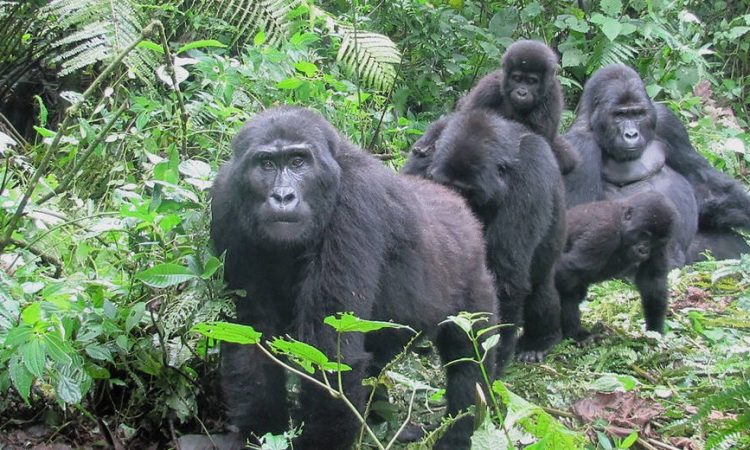
Mountain gorillas are found only in the Virunga Mountains shared by Uganda, Rwanda, and the Democratic Republic of Congo, as well as Uganda’s Bwindi Impenetrable National Park. Decades of intensive monitoring, veterinary care, anti-poaching patrols, habitat protection, research, and responsible gorilla tourism have helped the species recover.
The global mountain gorilla population has increased substantially since the late twentieth century. Conservation efforts across the three countries have been particularly important, with rangers and trackers conducting daily monitoring and protecting gorilla families from threats.
Uganda has become a leading destination for gorilla trekking, particularly in Bwindi Impenetrable National Park and Mgahinga Gorilla National Park. Tourism provides employment for guides, rangers, porters, accommodation providers, drivers, craftspeople, and community businesses.
The connection between tourism and conservation is especially important around Bwindi. Uganda Wildlife Authority’s community conservation programs include revenue-sharing mechanisms designed to help communities surrounding protected areas benefit from tourism. Funds have supported projects such as schools, health facilities, water infrastructure, tree planting, beekeeping, and livelihood activities.
This demonstrates an important conservation principle: when local communities benefit from wildlife, they have stronger incentives to protect it.
2. Uganda’s Rhino Comeback
Another remarkable Uganda wildlife conservation success story is the return of the southern white rhinoceros.
Rhinos disappeared from Uganda’s wild landscapes because of poaching, insecurity, and habitat pressures. Conservation organizations and the Uganda Wildlife Authority subsequently supported breeding and protection programs to rebuild the population.
According to Uganda’s 2026 State of Wildlife Resources report, Uganda’s southern white rhino population increased from 43 to 61 animals under sustained breeding and protection management. The same report also recorded positive trends among several other wildlife species, including buffalo, hippos, Uganda kob, waterbuck, zebra, topi, and giraffe.
The rhino recovery demonstrates that species once pushed to the edge of extinction can return when conservation programs combine professional wildlife management, breeding, habitat protection, security, and long-term investment.
For travelers visiting Uganda, Ziwa Rhino Sanctuary provides an opportunity to learn about rhino conservation while supporting efforts to restore these magnificent animals to the country’s wildlife heritage.
3. Kenya’s Community Conservancy Revolution
Kenya has developed one of Africa’s most influential models of community-based wildlife conservation through conservancies.
Rather than limiting conservation to national parks and reserves, community conservancies enable local landowners and communities to participate directly in wildlife management. These areas provide additional habitat and wildlife corridors beyond formally protected areas.
Research on Kenya’s conservancies shows that communities can benefit through employment, tourism, social services, and other economic opportunities while wildlife receives additional protected habitat.
In northern Kenya, the Northern Rangelands Trust community conservancy model has produced encouraging results. NRT reports that there were no elephant ivory-poaching cases in its member conservancies in 2023, compared with a peak of 103 incidents in 2012. Community-led sanctuaries are also supporting endangered species such as black rhinos, hirolas, and reticulated giraffes.
This is a powerful example of how wildlife conservation and community development can work together.
4. Black Rhinos Return to Loisaba Conservancy
Kenya has also recorded an important recent milestone with the return of black rhinos to Loisaba Conservancy in Laikipia.
In February 2024, 21 black rhinos were successfully translocated to Loisaba from Nairobi National Park, Ol Pejeta, and Lewa Conservancies. The operation represented a major conservation undertaking involving government agencies, conservation organizations, researchers, wildlife specialists, and local stakeholders.
The significance goes beyond simply moving animals from one location to another. The reintroduction restored black rhinos to a landscape where they had disappeared decades earlier.
Conservation organizations describe the return as a restoration of part of the area’s natural heritage.
This illustrates why protecting wildlife corridors and creating secure conservation landscapes is essential. Animals need more than isolated parks; they need connected habitats where populations can survive and reproduce.
5. Tanzania’s Fight Against Elephant Poaching
Tanzania is home to some of Africa’s most famous wildlife destinations, including Serengeti National Park, Ngorongoro Conservation Area, Tarangire National Park, and the Selous-Nyerere ecosystem.
The country experienced severe elephant poaching pressures in previous decades, but stronger anti-poaching measures, law enforcement, conservation partnerships, community engagement, and investment in protected areas are helping reverse some of these trends.
A 2025 UNDP report highlighted major progress in Tanzania’s fight against illegal wildlife trade. In the Ruaha-Rungwa landscape, elephant poaching was reported to have declined by 95.8%, with only one case reported during the period discussed.
This progress shows why conservation is not simply about protecting animals inside parks. It also requires intelligence gathering, law enforcement, community cooperation, institutional capacity, and action against illegal wildlife markets.
6. The Serengeti-Mara Ecosystem and Wildlife Corridors
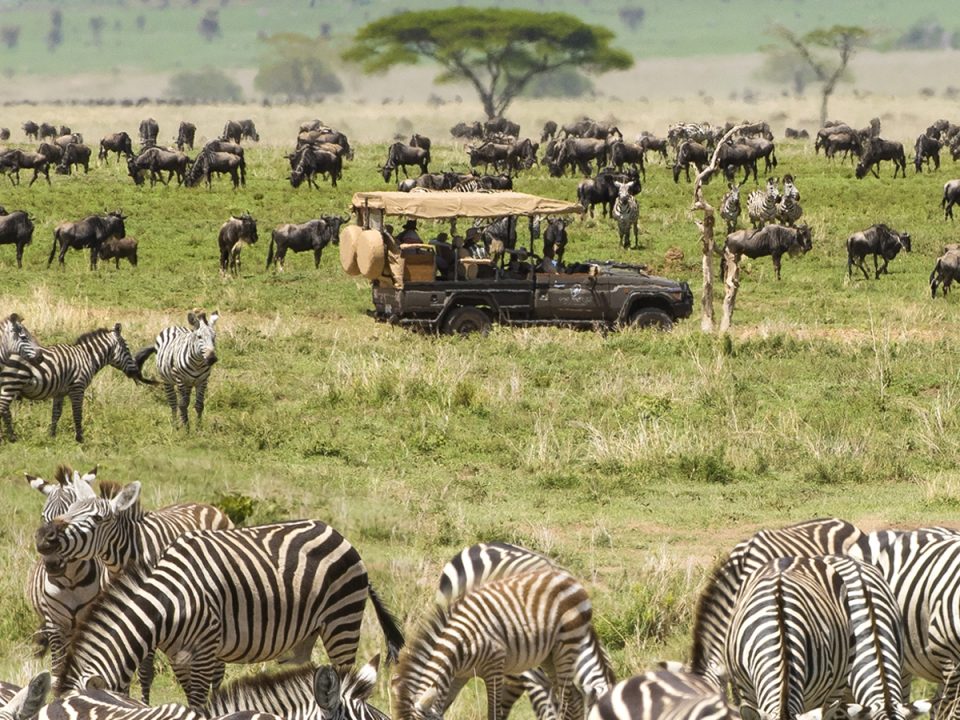
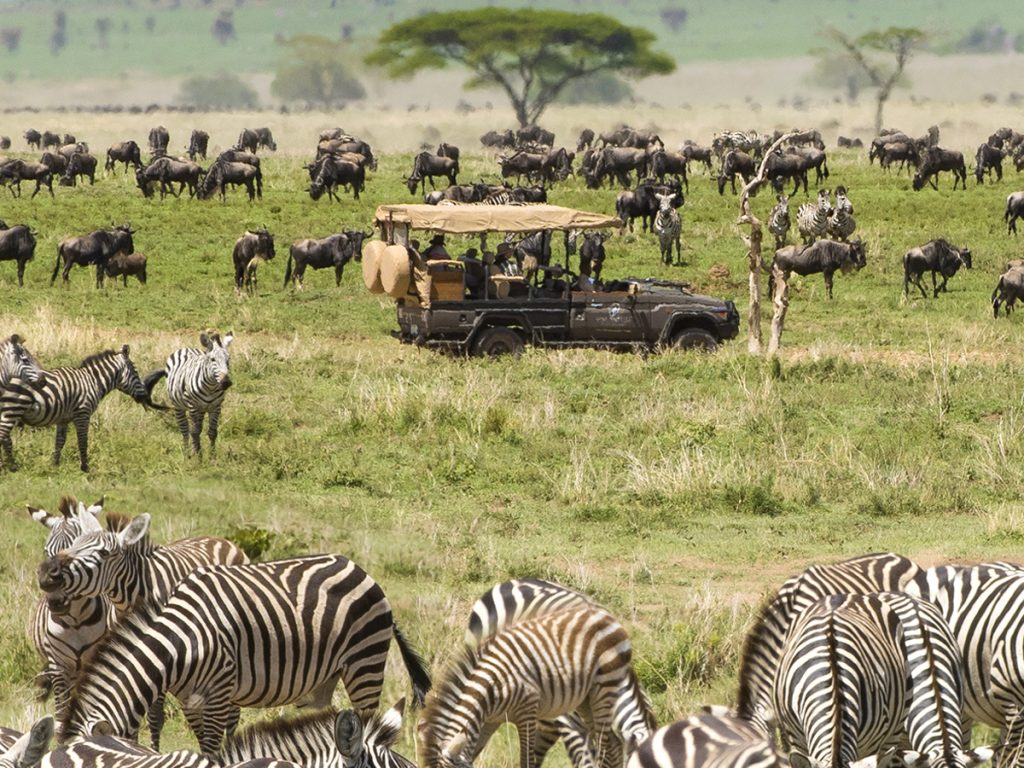
The Serengeti-Mara ecosystem represents one of the world’s most extraordinary wildlife landscapes. Every year, enormous numbers of wildebeest, zebras, and other herbivores move across Tanzania and Kenya in search of fresh grazing and water.
Protecting this ecosystem requires cooperation across borders because wildlife does not recognize political boundaries.
Conservation initiatives in the wider Serengeti landscape have reported improvements in wildlife security, including recovery in elephant and rhino populations, while community-based grazing and land restoration initiatives are helping improve coexistence between pastoral communities and wildlife.
In western Serengeti, conservation organizations are also combining ranger patrols, intelligence, restoration, and scientific monitoring to protect wildlife migration routes.
The lesson is clear: successful safari conservation requires protecting entire ecosystems rather than individual animals alone.
7. Conservation Through Responsible Tourism
Tourism is often described as a way to see wildlife, but its contribution can go much further.

A well-managed safari industry creates economic value from living wildlife. Visitors spend money on accommodation, park fees, guiding services, transportation, cultural experiences, food, crafts, and other services. A portion of tourism-related income can support conservation authorities and surrounding communities.
Gorilla tourism in Uganda provides a particularly strong example. Uganda Wildlife Authority’s community programs allow surrounding communities to benefit from tourism revenue and development projects.
Responsible tourism can therefore create a positive cycle:
Wildlife protection → healthy ecosystems → tourism → community income → greater support for conservation → stronger wildlife protection.
However, tourism must be carefully managed. Wildlife experiences should follow park regulations, maintain appropriate distances from animals, avoid disturbing breeding or feeding behavior, and respect local communities.
8. Community Conservation: Putting People at the Heart of Wildlife Protection
One of the biggest lessons from East Africa’s conservation successes is that people must be part of the solution.
Communities living around national parks and wildlife corridors can experience both benefits and costs from conservation. Wildlife may provide tourism income and employment, but animals can also destroy crops, kill livestock, or compete for water and grazing land.
Successful conservation programs therefore seek to reduce human-wildlife conflict while ensuring communities receive meaningful benefits.
Kenya’s conservancy model and Uganda’s community revenue-sharing programs demonstrate different approaches to achieving this goal. Community members can participate as rangers, guides, hospitality workers, conservation educators, entrepreneurs, and tourism suppliers.
When a community sees a living elephant, gorilla, rhino, or lion as an economic and cultural asset rather than simply a threat, conservation becomes much more sustainable.
9. What These Conservation Success Stories Teach Us
The wildlife conservation achievements across East Africa reveal several important lessons.
Collaboration matters
Governments alone cannot solve every conservation challenge. Successful programs bring together conservation organizations, scientists, communities, tourism companies, donors, rangers, and international partners.
Conservation requires long-term commitment
Wildlife populations rarely recover overnight. Gorilla conservation, rhino breeding, habitat restoration, and anti-poaching programs require years or even decades of consistent effort.
Communities are conservation partners
People living alongside wildlife must have a voice in conservation and receive tangible benefits from protecting natural resources.
Tourism can be a conservation tool
When tourism is responsible and well managed, it can provide funding, employment, education, and incentives for protecting wildlife.
Protected areas need connected landscapes
National parks are essential, but wildlife also needs corridors, community conservancies, buffer zones, and sustainable landscapes outside park boundaries.
10. How Travelers Can Support Wildlife Conservation in East Africa
Travelers can contribute to conservation simply by making responsible choices.
When planning an East African safari, consider operators that support local communities and follow responsible tourism principles. Choose accommodation that demonstrates environmental responsibility and respect park regulations.
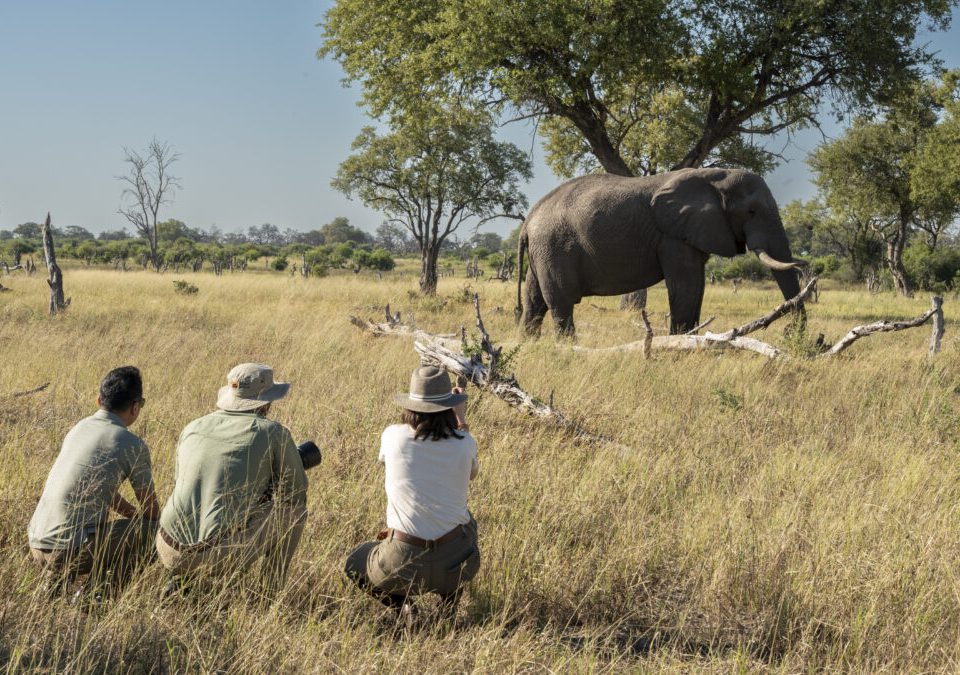
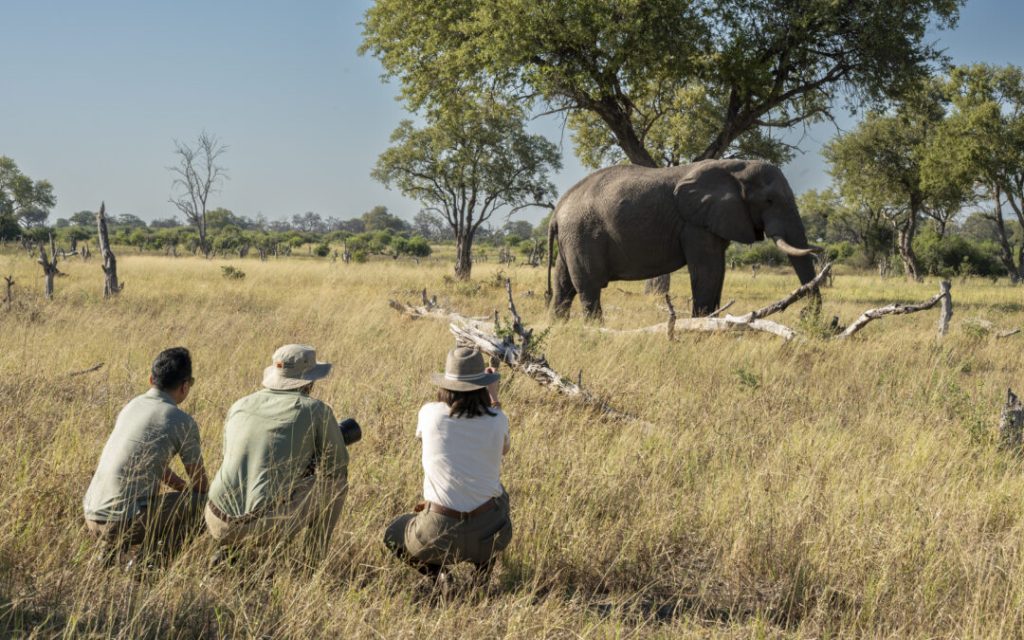
During wildlife encounters, avoid feeding animals, maintain appropriate distances, never purchase wildlife products, and listen to your guide’s conservation advice.
Travelers can also support community tourism projects, local craftspeople, conservation organizations, and responsible accommodation providers.
At Mandrill African Safaris, we believe a safari should be more than ticking animals off a checklist. It should create meaningful connections between travelers, wildlife, landscapes, and local communities.
The Future of Wildlife Conservation in East Africa
East Africa still faces significant challenges. Climate change, habitat fragmentation, population growth, illegal wildlife trade, human-wildlife conflict, and pressure on natural resources remain serious threats.
But the region’s conservation successes provide reasons for optimism.
The recovery of mountain gorillas, the return of rhinos to protected landscapes, reductions in elephant poaching, expansion of community conservancies, and improvements in several wildlife populations demonstrate that conservation can work when it is properly funded, scientifically informed, community-centered, and maintained over the long term.
For travelers, these achievements make an East Africa safari even more meaningful. Whether trekking mountain gorillas in Uganda, watching elephants in Tanzania, exploring the Maasai Mara in Kenya, or discovering Rwanda’s Volcanoes National Park, visitors are experiencing landscapes whose protection depends on thousands of people working behind the scenes.
Travel With Purpose With Mandrill African Safaris
A safari is not simply a holiday—it can be an opportunity to contribute to the protection of Africa’s extraordinary natural heritage.
From gorilla trekking in Uganda and Rwanda to classic wildlife safaris in Kenya and Tanzania, Mandrill African Safaris helps travelers discover East Africa while promoting responsible and sustainable tourism.
The future of East Africa’s wildlife depends on all of us: governments, communities, conservationists, tourism businesses, and travelers.
The best safari is one where the wildlife you come to see today can still be thriving for generations to come.