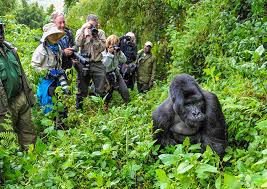
Top 5 Mistakes to Avoid on Your Gorilla Tracking Safari
2025-08-01Goril İngilizce Ne Demek? – Dil Öğrenenler İçin Detaylı Rehber
2025-08-03The Role of Local Communities in Gorilla Conservation
Discover how local communities play a vital role in gorilla conservation efforts in Uganda and Rwanda. Learn how tourism empowers locals and protects mountain gorillas.
Mountain gorillas, one of the most endangered primates on Earth, are found in only three countries: Uganda, Rwanda, and the Democratic Republic of Congo. These gentle giants survive thanks to intensive conservation efforts that combine government policies, non-profit work, tourism, and—most crucially—the involvement of local communities.
At Mandrill African Safaris, we strongly believe that successful gorilla conservation in Uganda and Rwanda is impossible without the active participation of people living near gorilla habitats. In this blog, we explore the vital role local communities play in preserving these iconic animals, and how tourism directly contributes to their empowerment and sustainability.
Why Involve Local Communities in Gorilla Conservation?
Mountain gorillas live in protected areas like Bwindi Impenetrable National Park, Mgahinga Gorilla National Park, and Volcanoes National Park. Surrounding these parks are rural communities that have historically depended on forest resources for survival. Without local support, conservation efforts often face challenges such as:
-
Poaching and illegal hunting
-
Habitat encroachment for farming or firewood
-
Human-wildlife conflict
-
Lack of conservation awareness
By involving these communities directly in gorilla protection, conservation becomes a shared responsibility and an opportunity for development rather than a restriction.
Community-Based Conservation Programs in Uganda and Rwanda
1. Revenue Sharing from Gorilla Permits
Both Uganda and Rwanda have introduced revenue-sharing schemes that give a portion of gorilla trekking permit income back to communities. In Uganda, the Uganda Wildlife Authority (UWA) allocates 20% of park entry fees to community projects such as:
-
Schools and health centers
-
Water and sanitation systems
-
Roads and infrastructure
In Rwanda, the Rwanda Development Board (RDB) has implemented a similar program that has funded over 700 community projects since 2005. These efforts demonstrate that gorilla tourism directly improves livelihoods, making conservation more meaningful and sustainable.
2. Employment and Business Opportunities
Tourism creates thousands of jobs in areas surrounding gorilla parks. Locals are employed as:
-
Porters for gorilla trekkers
-
Rangers and trackers
-
Hospitality staff in eco-lodges
-
Guides and interpreters
Local entrepreneurs also benefit by selling crafts, food, and cultural experiences to tourists. By creating a sustainable income source, tourism reduces the temptation to exploit forests illegally and reinforces a positive conservation mindset.
3. Conservation Education and Awareness
Conservation organizations like Conservation Through Public Health (CTPH) and the International Gorilla Conservation Programme (IGCP) work closely with communities to raise awareness about gorilla ecology, health, and tourism benefits.
Programs often target school children, women’s groups, and farmers to foster:
-
Responsible resource use
-
Human-gorilla conflict mitigation
-
Sanitation and hygiene improvements (to reduce disease transmission)
These educational efforts help communities see gorillas as valuable assets rather than threats or competitors.
Case Study: Bwindi and the Batwa Community
The Batwa people, originally forest dwellers in southwestern Uganda, were evicted from Bwindi Impenetrable Forest when it was gazetted as a national park. For many years, they were marginalized and excluded from conservation benefits.
Today, various initiatives like the Batwa Cultural Experience and community tourism enterprises are helping the Batwa earn income, regain cultural pride, and participate in conservation. Visitors can learn about their history, traditions, and challenges, while helping improve their living standards.
This example shows how inclusive conservation policies can empower indigenous groups while protecting critical habitats.
Community Tourism: Travel That Makes a Difference
At Mandrill African Safaris, we actively support community tourism initiatives. When you book a gorilla trekking experience with us, you are not just encountering majestic wildlife—you’re also investing in the well-being of the people who protect them.
We promote visits to community-run lodges, craft centers, cultural performances, and guided walks that showcase the rich traditions and hospitality of Ugandan and Rwandan communities. Some of our top recommendations include:
-
Rubuguri Community Tourism Initiative (near Bwindi)
-
Nkuringo Walking Safaris & NTC Homestays
-
Iby’Iwacu Cultural Village (near Volcanoes National Park)
-
Ride 4 a Woman women’s empowerment project in Buhoma
Supporting such experiences ensures that your tourism dollars stay in the community, fostering deeper local commitment to gorilla conservation.
Challenges Facing Community Involvement
Despite the progress, several challenges hinder full community engagement in gorilla conservation:
-
Limited access to education and training
-
Unequal benefit distribution
-
Land-use conflicts and limited land rights
-
Overreliance on tourism, which can fluctuate due to global events (e.g., pandemics)
Solving these issues requires multi-stakeholder collaboration between governments, NGOs, tour operators, and the communities themselves. Long-term solutions must focus on resilience, equity, and shared ownership of conservation goals.
How You Can Support Community-Led Gorilla Conservation
As a responsible traveler, you play a key role in strengthening local involvement in conservation. Here’s how:
-
Choose community-based safari operators like Mandrill African Safaris.
-
Hire local porters and guides during gorilla trekking.
-
Buy handmade crafts and local souvenirs.
-
Visit community tourism projects to learn and support directly.
-
Spread awareness about the importance of gorilla conservation and local participation.
Your conscious travel choices help turn communities into conservation heroes—and that makes all the difference for the mountain gorillas.
Conclusion
Gorilla conservation is not just about protecting an endangered species—it’s about protecting a way of life, empowering people, and ensuring that future generations will continue to benefit from the forest and its wildlife.
Local communities in Uganda and Rwanda are no longer just neighbors to gorillas; they are guardians, educators, and beneficiaries of conservation success. At Mandrill African Safaris, we’re proud to support their efforts and connect travelers like you to their stories.
So, when you plan your gorilla safari in Uganda or Rwanda, remember: the path to protecting mountain gorillas runs right through the hearts of the people who live alongside them.