Gorilla Trekking in Uganda and Rwanda: A Side-by-Side Comparison
2025-08-01Top 5 Mistakes to Avoid on Your Gorilla Tracking Safari
2025-08-01Uganda vs Rwanda: Which Is Better for Gorilla Tracking?
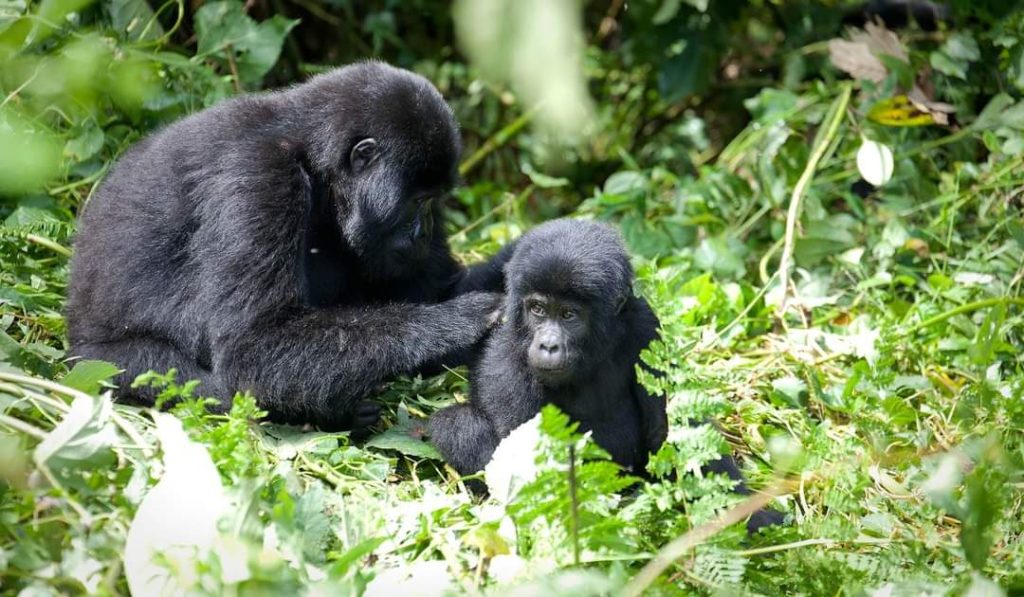
For many nature lovers and wildlife enthusiasts, standing face to face with a mountain gorilla in the wild is a dream come true. East Africa offers two world-class destinations for this once-in-a-lifetime experience: Uganda and Rwanda. But when it comes to gorilla tracking, which country is better?
Where Can You Track Gorillas?
-
Uganda offers gorilla tracking in two national parks:
-
Bwindi Impenetrable National Park – home to nearly half of the world’s remaining mountain gorillas.
-
Mgahinga Gorilla National Park – part of the Virunga Massif and shares its gorilla population with Rwanda and the DRC.
-
-
Rwanda offers gorilla tracking in:
-
Volcanoes National Park – a lush, volcanic region with well-established tracking infrastructure and short distances from the capital.
-
Cost of Gorilla Permits: Uganda Wins on Budget
-
Uganda: A gorilla tracking permit costs $800 per person (as of 2025).
-
Rwanda: The cost is $1,500 per person, almost double Uganda’s rate.
For budget-conscious travelers, Uganda clearly offers better value. The lower cost makes Uganda attractive for longer trips or combining gorilla tracking with other wildlife safaris in Queen Elizabeth or Murchison Falls National Parks.
Pro Tip: Book your gorilla permit through Mandrill African Safaris early—permits are limited and sell out quickly, especially in high season (June to September).
Accessibility: Rwanda Offers Easier Access
-
Rwanda’s Volcanoes National Park is only 2-3 hours’ drive from Kigali International Airport. You can land in the morning and track gorillas the next day.
-
Uganda’s Bwindi and Mgahinga Parks are 8–10 hours’ drive from Entebbe or 3–4 hours from Kigali (crossing into Uganda).
If you have limited time, Rwanda is ideal for a short, high-end gorilla safari. But Uganda remains feasible for those who prefer an overland adventure or arrive via Rwanda and cross the border.
Terrain and Tracking Experience: It Depends on Your Preference
-
Uganda’s Bwindi Forest is a dense, mountainous rainforest, offering a rugged, immersive tracking experience. The treks can be physically challenging but incredibly rewarding, with lush vegetation and dramatic landscapes.
-
Rwanda’s Volcanoes Park features open bamboo forests and gentler slopes, making tracking relatively easier, especially for older travelers or those concerned about steep climbs.
If you’re looking for a wild, adventurous experience, Uganda delivers. If you prefer a smoother and shorter hike, Rwanda may be more suitable.
Number of Gorilla Families and Tracking Opportunities
-
Uganda has over 20 habituated gorilla families, primarily in Bwindi. This increases your chances of finding a group and also supports more daily permits.
-
Rwanda has about 12 habituated families, which is fewer but still provides an excellent experience with well-trained guides and rangers.
Mandrill African Safaris arranges customized itineraries in both countries, ensuring you’re assigned a gorilla group that matches your fitness level and preferences.
Accommodation Options: Rwanda Offers Luxury, Uganda Has Variety
-
Rwanda is known for its high-end lodges such as One&Only Gorilla’s Nest and Bisate Lodge, catering to luxury travelers who want exclusive service and comfort.
-
Uganda offers a broader range of accommodations, from budget-friendly guesthouses to luxury lodges like Sanctuary Gorilla Forest Camp and Clouds Mountain Gorilla Lodge.
If you’re after a luxury safari, Rwanda might suit you better. But Uganda gives you flexibility in pricing, making it ideal for backpackers, mid-range tourists, and families.
Gorilla Habituation Experience: Exclusive to Uganda
Uganda is the only country where you can participate in the Gorilla Habituation Experience—a unique program in Bwindi that allows visitors to spend up to four hours with semi-habituated gorillas alongside researchers.
This rare opportunity offers deeper insight into gorilla behavior and is perfect for photographers and conservation enthusiasts. The habituation permit costs $1,500, the same as a standard tracking permit in Rwanda, but with twice the time spent with gorillas.
Cultural Encounters and Safari Add-Ons
Both countries offer rich cultural experiences, but Uganda’s diversity stands out:
-
Uganda: Interact with the Batwa pygmies, explore local tea plantations, or enjoy a boat safari in Queen Elizabeth National Park.
-
Rwanda: Visit the Kigali Genocide Memorial, explore local markets, or take part in community-based tourism projects around Musanze.
If you’re planning a multi-day safari, Uganda offers more wildlife parks and ecosystems, including chimpanzee tracking in Kibale Forest and game drives in savannah parks.
Safety and Travel Infrastructure
Both Uganda and Rwanda are safe for tourists, with stable governments and supportive tourism policies. Rwanda is often praised for being clean, organized, and easy to navigate, especially for first-time visitors to Africa.
Uganda, while slightly less developed in infrastructure, offers a more adventurous, off-the-beaten-path experience. Roads to Bwindi can be rough but are improving.
Final Verdict: Uganda vs Rwanda for Gorilla Tracking
| Factor | Uganda | Rwanda |
|---|---|---|
| Permit Cost |  More affordable ($800) |
 Expensive ($1,500) |
| Accessibility | Long drive from airport |
Short drive from Kigali |
| Terrain | Wild & rugged experience |
Easier hikes, bamboo forest |
| Gorilla Families | More families (20+) |
Fewer families (12) |
| Accommodation Range | Budget to luxury |
Primarily luxury |
| Habituation Experience | Available |
Not offered |
| Additional Safaris | More national parks |
Fewer add-on options |
So, Which Should You Choose?
-
Choose Uganda if you want a budget-friendly, adventurous, and authentic gorilla tracking experience with more time in nature.
-
Choose Rwanda if you prefer a luxury, quick-access trip with smoother logistics and world-class comfort.
At Mandrill African Safaris, we specialize in tailor-made gorilla tracking tours in both countries. Whether you’re planning a luxury honeymoon in Rwanda or a 10-day wildlife adventure in Uganda, we’ll help you experience the magic of the mountain gorillas—your way.