

Understanding the Behavior of Uganda’s Tree Pangolins:
2026-02-09
Unveiling the Diversity of Uganda’s Monkey Species
2026-02-11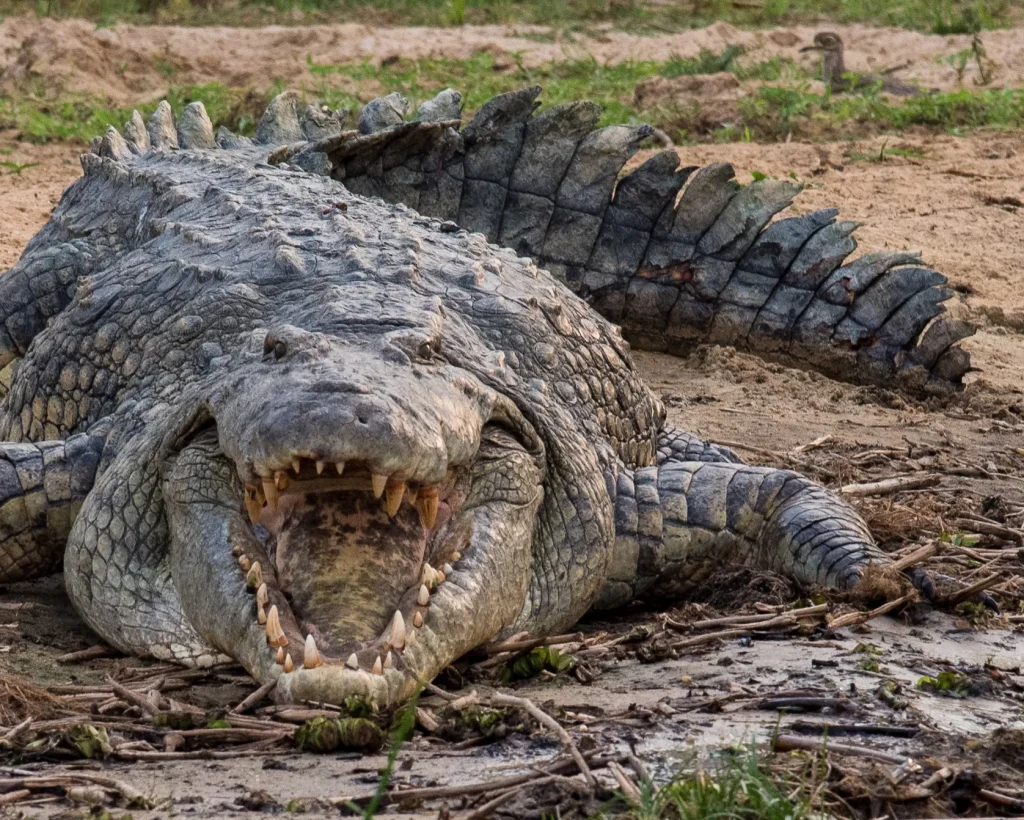
Why Murchison Falls Is a Hotspot for Nile Crocodiles
Discover why Murchison Falls National Park is one of Africa’s top hotspots for Nile crocodiles. Learn about their habitat, behavior, best viewing spots, and safari experiences with Mandrill African Safaris.
Introduction: The Reign of the Nile Crocodile in Murchison Falls
Murchison Falls National Park is famous for its dramatic waterfall, powerful river currents, and classic African savannah landscapes. However, beneath the calm-looking waters of the Victoria Nile lies one of the park’s most formidable residents—the Nile crocodile. These ancient reptiles have ruled these waters for millions of years, making Murchison Falls one of the most important strongholds for Nile crocodiles in East Africa.
For travelers on a Uganda safari, spotting Nile crocodiles basking on riverbanks or silently gliding through the water is a thrilling highlight. But what exactly makes Murchison Falls such a crocodile hotspot? The answer lies in a unique blend of geography, abundant prey, ideal breeding conditions, and minimal human disturbance.
1. The Mighty Victoria Nile: A Perfect Crocodile Habitat
The Victoria Nile, which flows through Murchison Falls National Park, provides ideal conditions for Nile crocodiles to thrive. Crocodiles depend heavily on freshwater ecosystems, and this river delivers everything they need:
-
Permanent water throughout the year
-
Slow-flowing sections for hunting
-
Sandy riverbanks for basking and nesting
-
Deep pools for cooling and protection
Unlike seasonal rivers that dry up, the Victoria Nile maintains consistent water levels, ensuring crocodiles have a stable environment for survival and reproduction.
2. Abundant Prey Supports Large Crocodile Populations
One of the main reasons Nile crocodiles flourish in Murchison Falls is the abundance of prey. The river attracts a wide range of animals that crocodiles rely on for food, including:
-
Fish species such as Nile perch and catfish
-
Antelopes like Uganda kob and waterbuck
-
Warthogs and buffaloes
-
Water birds and occasionally young hippos
During the dry season, wildlife congregates near the riverbanks, creating perfect ambush opportunities for crocodiles. This constant food supply allows crocodiles to grow large, healthy, and numerous.
3. Ideal Breeding and Nesting Conditions
Murchison Falls offers excellent breeding grounds for Nile crocodiles. Female crocodiles lay their eggs in sandy riverbanks, where warmth from the sun helps incubate the eggs naturally.
Key breeding advantages include:
-
Soft, sandy soils along the Nile
-
Limited flooding in nesting areas
-
High temperatures that support egg development
-
Minimal disturbance from humans
As a result, hatchling survival rates are relatively high, helping sustain a stable and growing crocodile population.
4. The Falls Create Unique Ecological Zones
The dramatic Murchison Falls, where the Nile is forced through a narrow 7-meter gorge, creates distinct ecological zones both upstream and downstream.
-
Upstream: Calm waters, papyrus-lined banks, and shallow areas ideal for juvenile crocodiles
-
Downstream: Slower-flowing stretches with wide banks where large adult crocodiles dominate
These varied habitats allow crocodiles of different ages and sizes to coexist without intense competition, strengthening the overall population.
5. Protection Through National Park Status
Murchison Falls National Park is Uganda’s largest and oldest conservation area. Because of its protected status:
-
Crocodiles are shielded from hunting and poaching
-
Fishing activities are regulated
-
Human-wildlife conflict is minimized
This long-term protection has allowed Nile crocodiles to recover from historical population declines seen in other parts of Africa. Today, the park supports one of Uganda’s most visible crocodile populations.
6. Prime Viewing on the Murchison Falls Boat Safari
One of the best ways to see Nile crocodiles is on the boat safari to the base of Murchison Falls—a signature experience offered by Mandrill African Safaris.
During the cruise, visitors can expect to see:
-
Massive crocodiles sunbathing on sandbanks
-
Crocodiles stalking prey near the water’s edge
-
Mothers guarding nesting areas
-
Juveniles learning to hunt
Because crocodiles are cold-blooded, they spend long hours basking in the sun, making sightings frequent and reliable.
7. Ancient Survivors: Why Crocodiles Thrive Here
Nile crocodiles are among the most successful predators on Earth. Their success in Murchison Falls is enhanced by:
-
Powerful jaws and ambush hunting strategies
-
Excellent camouflage in muddy waters
-
Ability to survive long periods without food
-
Strong territorial dominance
In the undisturbed environment of Murchison Falls National Park, these adaptations allow crocodiles to dominate the aquatic ecosystem with ease.
8. Relationship Between Crocodiles and Other Wildlife
Crocodiles play a vital ecological role in Murchison Falls. As apex predators, they help regulate fish populations and remove weak or sick animals, contributing to a balanced ecosystem.
Interestingly, crocodiles coexist with hippos—another iconic species of the Nile—through territorial spacing and behavioral adaptation. While conflicts do occur, the abundance of space and resources reduces competition.
9. Best Time to See Nile Crocodiles in Murchison Falls
Crocodiles can be seen year-round, but the best time is during the dry seasons:
-
December to February
-
June to September
During these months, animals gather around water sources, and crocodiles are more active along exposed riverbanks. Boat safaris during this time offer exceptional viewing opportunities and photography moments.
10. Why Murchison Falls Is a Must-Visit for Reptile Lovers
For travelers interested in reptiles and raw African wilderness, Murchison Falls stands out. Few places in Africa offer such consistent, close-up encounters with Nile crocodiles in a natural setting.
Combined with lions, elephants, giraffes, and abundant birdlife, the crocodiles add an intense, primal dimension to any Uganda safari itinerary.
Explore Murchison Falls with Mandrill African Safaris
At Mandrill African Safaris, we design immersive safari experiences that bring you face-to-face with Africa’s most iconic wildlife—safely and responsibly. Our guided boat safaris and game drives in Murchison Falls National Park ensure you don’t just see Nile crocodiles, but truly understand their role in this powerful ecosystem.
Frequently Asked Questions (FAQs)
Why are Nile crocodiles so common in Murchison Falls National Park?
Murchison Falls offers permanent water, abundant prey, ideal nesting sites, and strong protection, creating perfect conditions for Nile crocodiles to thrive.
Are Nile crocodiles dangerous to safari visitors?
While Nile crocodiles are dangerous predators, safari activities are conducted safely. Boat safaris and viewing areas are carefully managed to avoid risk.
Where is the best place to see crocodiles in Murchison Falls?
The best sightings occur along the Victoria Nile during boat safaris to the base of Murchison Falls, especially downstream of the falls.
What is the best time of year to see Nile crocodiles in Uganda?
Crocodiles can be seen year-round, but the dry seasons (June–September and December–February) offer the best visibility.
How big do Nile crocodiles in Murchison Falls get?
Some Nile crocodiles in Murchison Falls grow over 5 meters long, making them among the largest in Africa.
Can crocodiles be seen on game drives?
Occasionally, crocodiles are spotted near river crossings during game drives, but boat safaris offer the best viewing opportunities.


