

What Is the Best Time for Wildlife Viewing in Kidepo Valley National Park?
2026-03-11
Why Travel Bloggers Love Kidepo Valley National Park: Uganda’s Ultimate Safari Hidden Gem
2026-03-12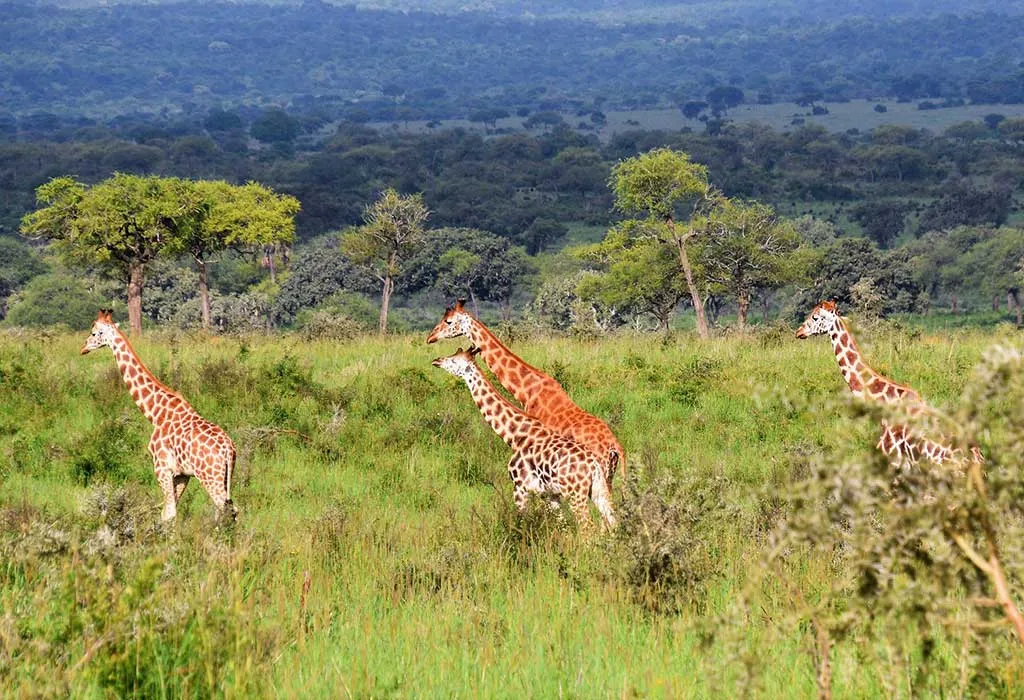
What Photography Tips Work Best in Kidepo Valley National Park?
Your Ultimate Guide to Capturing Epic Safari Photos in Uganda’s Wildest Wilderness
Learn the best photography tips for Kidepo Valley National Park — from camera settings and wildlife composition to lighting, patience, and equipment. Plan your Uganda safari with Mandrill African Safaris and capture unforgettable images of lions, elephants, giraffes, and more!
Introduction — Why Kidepo Valley National Park Is a Photographer’s Dream
Nestled in northeastern Uganda near the border with South Sudan, Kidepo Valley National Park is one of Africa’s most remote and spectacular wildlife sanctuaries. Unlike crowded safari parks, Kidepo offers vast horizons, rugged landscapes, and abundant wildlife — from majestic lions lounging in the sun to towering giraffes browsing acacia trees.
For photographers — whether amateur, enthusiast, or professional — Kidepo Valley is a visual goldmine. This extraordinary park combines dramatic landscapes with prolific wildlife sightings, creating endless opportunities for capturing stunning images.
But photographing in Kidepo isn’t always easy. Harsh desert light, wide open panoramas, and fast‑moving animals all present unique challenges. To help you make the most of your safari memories.
1. Prepare Your Gear — What to Bring
Your best safari photos start with the right gear. While smartphones can take impressive shots, a dedicated camera gives you far greater control.
Recommended Equipment
✔ DSLR or Mirrorless Camera
A camera with fast autofocus and good low‑light performance makes a huge difference.
✔ Telephoto Lens (200–600mm)
Wildlife in Kidepo can be distant. A powerful zoom lets you fill the frame with lions, elephants, leopard, buffalo, and giraffe.
✔ Wide‑Angle Lens (16–35mm or 24–70mm)
For capturing sweeping landscapes, dramatic skies, and scenic sunsets.
✔ Tripod or Monopod
Useful for stability during low‑light or long‑lens shooting.
✔ Extra Batteries & Memory Cards
You’ll shoot a lot. Be prepared.
✔ Lens Cleaning Kit
Dust can be a big challenge in Kidepo’s dry savannah.
2. Shoot During “Golden Hours”
One of the most important photography tips for Kidepo Valley National Park is this:
Light makes or breaks a photo.
The best light occurs early in the morning and late in the afternoon — commonly referred to as the “golden hours.” During these periods:
-
The sun is lower in the sky.
-
Shadows are soft and warm.
-
Colors are richer and more dramatic.
Try to schedule your game drives at sunrise and sunset. Besides better lighting for photos, wildlife is more active and easier to spot.
3. Learn the Behavior of Wildlife
Photography isn’t just about aim and shoot — it’s about timing. Understanding animal behavior helps you anticipate key moments:
Elephants
Often seen near waterholes at sunrise — watch for dust‑kicking movement.
Zebras & Antelope
Best photographed when grazing as a group — patterns and repetition make striking compositions.
Lions & Leopards
Often rest in shade during midday. Be patient — they may move just as light softens.
Birds
Kidepo is a birding paradise. Learn perches and hotspots before the shot.
Knowing behavior increases your odds of capturing action — not just stillness.
4. Master Your Camera Settings
Wildlife Photography Settings
Here are go‑to settings for wildlife in Kidepo:
| Setting | Recommendation | Why |
|---|---|---|
| Shutter Speed | 1/1000 sec or faster | Freezes moving animals |
| Aperture | f/5.6–f/8 | Sharp subject with slight background blur |
| ISO | 400–1600 | Adjust based on light level |
| Focus Mode | Continuous AF | Keeps moving subjects sharp |
| Drive Mode | Burst/Continuous | Best for action shots |
These are starting points — adapt based on lighting conditions and animal movement.
5. Composition Tips That Win
Great photos aren’t just about what you capture, but how you frame it.
✔ Rule of Thirds
Place your subject off‑center for dynamic shots.
✔ Leading Lines
Use natural lines — riverbeds, paths, tree rows — to guide the viewer’s eye.
✔ Fill the Frame
Zoom in on your subject to eliminate distracting backgrounds.
✔ Negative Space
A lone giraffe against wide open plains tells a deeper story.
✔ Foreground Interest
Add depth by including grasses or branches in your frame.
Experiment with angles! Don’t just shoot at eye‑level — try lower or higher perspectives when possible.
6. Get Close — But Prioritize Safety
It’s tempting to chase the perfect close‑up in Kidepo, but wildlife safety ALWAYS comes first.
-
Use your telephoto lens, not your vehicle, to get close.
-
Keep a safe distance — many animals appear calmer when they don’t feel threatened.
-
Your guide with Mandrill African Safaris knows animal behavior — trust their direction.
Respect for wildlife equals better photos AND safer safaris.
7. Be Patient — Sometimes the Best Shot Happens at the Last Minute
Great photography demands patience.
Stalk a grazing herd quietly from the vehicle. Wait near a watering hole. Breath held, finger poised.
Wildlife doesn’t follow a schedule — but if you’re patient, amazing moments happen:
-
A lioness yawning, just before dusk
-
A herd of elephants splashing playfully
-
Birds taking flight with stunning backlight
Photography is timing — and patience is your best companion.
8. Manage Harsh Midday Light
Midday in Kidepo can be harsh — with bright light and strong shadows.
Here’s how to adapt:
✔ Embrace Silhouettes
Use strong backlighting for dramatic shapes.
✔ Switch to Black & White
Contrast images look striking without color distraction.
✔ Find Shade
Focus on animals under trees or near water to avoid blown‑out skies.
Harsh light isn’t the enemy — it’s just a different kind of opportunity.
9. Capture Birds — Kidepo’s Feathered Gems
Kidepo is home to over 450 bird species — including ostrich, kori bustard, and various raptors.
Bird photography comes with its own set of tips:
-
Use fast shutter speeds (1/2000+ sec) for flight shots
-
Track focus with continuous AF
-
Anticipate movement before the bird flies
-
Know perching spots — for example, acacia trees near waterholes
Even if birds aren’t your main focus, include them for richer storytelling in your safari photos.
10. Panoramas — Capture Kidepo’s Vast Landscapes
Kidepo is iconic for its wide open plains and rugged mountain backdrops.
To capture that:
-
Use a wide‑angle lens
-
Shoot a series of overlapping images
-
Merge them into a panoramic in post‑processing
-
Include foreground interest (acacia trees, termite mounds, wildlife)
Panoramas help show place and scale like no single image can.
11. Post‑Processing — Editing for Stunning Results
Once you’re home from your safari, editing helps polish your best shots.
Top Editing Tips:
✔ Adjust exposure and contrast
✔ Boost shadows slightly to reveal detail
✔ Sharpen selectively — avoid over‑sharpening
✔ Correct white balance (especially golden hour shots)
✔ Crop for stronger composition
Editing software like Adobe Lightroom, Capture One, or Luminar can elevate your photos from great to breathtaking.
2. Work With Your Safari Guide
Your Mandrill African Safaris guide is more than a driver — they are your wildlife concierge and photography partner.
They help you:
-
Find the best sightings
-
Anticipate animal behavior
-
Position the vehicle for optimal photography angles
-
Suggest viewpoints and lighting conditions
Good communication with your guide equals better photography results.
13. Bonus Tips for Beginners
Not a photography pro? No problem!
Here’s how to still take spectacular images:
🎯 Use Auto or Safari Mode on your camera
📍 Keep the vehicle steady, elbows braced
📸 Take lots of photos — digital is cheap!
🦁 Focus on moments, not perfection
Relax, have fun, and let the experience guide your creativity.
14. Best Subjects to Photograph in Kidepo Valley
Here are the wildlife and sceneries you definitely want to capture:
📷 Big 5 sightings (lion, leopard, buffalo)
📷 Elephant herds near waterholes
📷 Giraffes against sunset skies
📷 Zebras and antelope in golden grass
📷 Colorful birds and raptors
📷 Panoramic landscapes
Each photo tells a fresh story of Uganda’s untamed beauty.
Final Thoughts — Make Every Shot Count
Photography in Kidepo Valley National Park is about more than just taking pictures — it’s about experiencing true wilderness. From sunrise roars to sunset silhouettes, every moment holds visual magic.
With the right gear, settings, patience, and planning, you’ll return home with a collection of photos that are not only technically strong, but genuinely meaningful.
And remember — the best photos often happen when you slow down, observe deeply, and connect with the world around you.
Plan Your Kidepo Valley Safari With Mandrill African Safaris
Ready to capture your best safari photos yet?
Mandrill African Safaris specializes in unforgettable Uganda wildlife experiences. From personalized photography advice to expert guides and custom itineraries, we help you get the most out of your safari — both in life and through your lens.


