

Is Kidepo Valley National Park Ideal for Big Five Safaris?
2026-03-11
What Photography Tips Work Best in Kidepo Valley National Park?
2026-03-11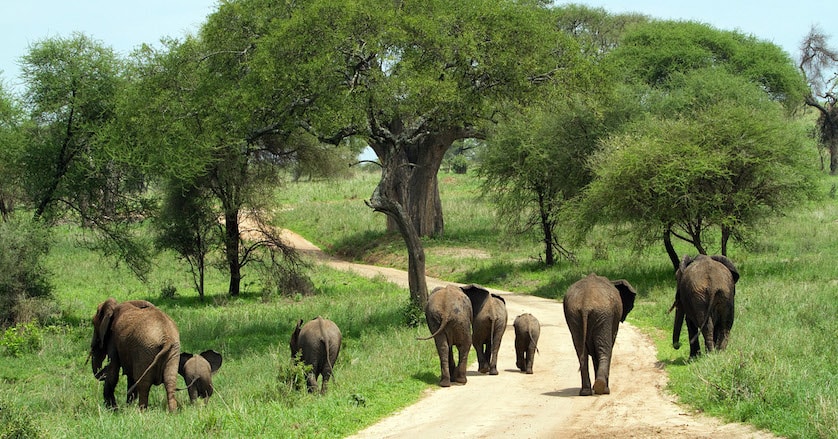
What Is the Best Time for Wildlife Viewing in Kidepo Valley National Park?
Discover the best time for wildlife viewing in Kidepo Valley National Park, Uganda. Learn about the dry and wet seasons, wildlife movements, and when to plan your safari with Mandrill African Safaris.
Kidepo Valley National Park is one of the most spectacular and remote safari destinations in Africa. Located in northeastern Uganda near the borders of South Sudan and Kenya, this untouched wilderness offers visitors a truly authentic safari experience. Vast savannah plains, rugged mountains, and seasonal rivers create a dramatic landscape that supports an incredible diversity of wildlife.
For travelers planning a safari with Mandrill African Safaris, one of the most common questions is: What is the best time for wildlife viewing in Kidepo Valley National Park? Timing your visit correctly can greatly improve your chances of seeing large mammals, predators, and rare species that make Kidepo famous.
Why Kidepo Valley National Park Is a Unique Safari Destination
Kidepo Valley National Park is often described as the most untouched national park in Uganda. Unlike the more popular parks, Kidepo receives relatively few visitors, offering a wild and uncrowded safari experience.
The park is home to more than 77 mammal species and over 475 bird species, making it one of the richest wildlife areas in East Africa. Narus Valley is particularly famous for wildlife concentrations, especially during the dry months when animals gather around its permanent water sources.
Some of the wildlife you can expect to see in Kidepo includes:
-
African elephants
-
Lions and leopards
-
Cheetahs
-
Buffalo herds
-
Zebras
-
Rothschild’s giraffes
-
Greater and lesser kudu
-
Ostriches
-
Patas monkeys
This exceptional biodiversity makes Kidepo one of the best destinations for wildlife safaris in Uganda.
However, to maximize sightings, choosing the right season is essential.
Best Time for Wildlife Viewing in Kidepo Valley National Park
The dry season is widely considered the best time for wildlife viewing in Kidepo Valley National Park.
Dry Season Months
-
December to February
-
June to August
-
September to early March (extended dry period)
During these months, vegetation becomes sparse and water sources become limited. As a result, wildlife gathers around rivers, waterholes, and wetlands, making animals easier to spot during game drives.
This seasonal concentration of animals creates incredible safari moments, especially in Narus Valley where many species congregate.
Why the Dry Season Is Best for Wildlife Viewing
1. Animals Gather Around Water Sources
As water becomes scarce in the dry months, animals move toward reliable water sources. This natural behavior increases the chances of seeing large numbers of animals in one area.
Visitors often witness:
-
Elephant herds gathering to drink
-
Buffalo congregating in huge numbers
-
Predators stalking prey near waterholes
These interactions make wildlife viewing particularly exciting.
2. Better Visibility
In the dry season, grasses become shorter and vegetation becomes thinner. This improves visibility across the savannah and makes it easier to spot animals from a distance.
Photographers also benefit from clearer landscapes and dramatic golden light during sunrise and sunset.
3. Easier Game Drives
Road conditions in the park are generally better during the dry season. Without heavy rains, tracks remain accessible and safari vehicles can explore remote parts of the park more easily.
This allows visitors to reach prime wildlife areas such as:
-
Narus Valley
-
Kidepo Valley
-
Kanangorok Hot Springs
Peak Wildlife Viewing Months in Kidepo
While the dry season generally provides excellent wildlife viewing, November to February is often considered the absolute best period.
During this time:
-
The park becomes extremely dry
-
Water sources shrink significantly
-
Animals concentrate heavily around remaining waterholes
This dramatically increases wildlife encounters, particularly with large mammals and predators.
You may even witness rare sightings such as cheetahs hunting across the plains or lions resting on rocky outcrops overlooking the valleys.
Visiting Kidepo During the Wet Season
The wet season in Kidepo generally occurs between:
-
April to May
-
September to November
While wildlife viewing can be slightly more challenging during these months, the park still offers incredible experiences.
Advantages of the Wet Season
1. Incredible Birdwatching
The wet season is a paradise for bird lovers. Migratory species arrive in large numbers, increasing the already impressive bird diversity.
Birdwatchers may spot:
-
Secretary birds
-
Kori bustards
-
Ostriches
-
Abyssinian ground hornbills
Kidepo is one of Uganda’s best birding destinations during the rainy months.
2. Beautiful Green Landscapes
The rains transform Kidepo into a lush and vibrant wilderness. The savannah becomes green, wildflowers bloom, and the scenery becomes incredibly photogenic.
For travelers interested in landscape photography, the wet season offers breathtaking views.
3. Fewer Tourists
Kidepo is already less crowded than other parks, but during the rainy months visitor numbers drop even further.
This means you can enjoy private wildlife encounters without crowds.
Best Time of Day for Wildlife Viewing
Even during the best months, timing your game drives correctly makes a huge difference.
Wildlife in Kidepo is most active during:
Early Morning (6:00 AM – 9:00 AM)
Animals are active before the heat of the day.
Late Afternoon (4:00 PM – Sunset)
Predators become active and animals return to water sources.
These are the best times for photography and dramatic wildlife sightings.
Top Wildlife Areas in Kidepo Valley National Park
Narus Valley
Narus Valley is the most famous wildlife area in the park.
Why it is excellent for game viewing:
-
Permanent water sources attract animals year-round
-
Large buffalo herds gather here
-
Lions and cheetahs frequently hunt in the valley
This area is the heart of most game drives.
Kidepo Valley
Kidepo Valley offers stunning scenery and unique wildlife species.
Highlights include:
-
Ostriches (rare elsewhere in Uganda)
-
Bat-eared foxes
-
Seasonal wildlife migrations
The valley also leads to the famous Kanangorok Hot Springs, one of the park’s most scenic locations.
Wildlife You Can See in Kidepo
Kidepo offers some species that are difficult to see in other Ugandan parks.
Key highlights include:
-
Cheetahs (rare in Uganda)
-
Greater kudu
-
Lesser kudu
-
Guenther’s dik-dik
-
Caracal
-
Aardwolf
-
Patas monkeys
Large herds of buffalo — sometimes numbering in the thousands — are another iconic sight in the park.
How to Plan Your Safari to Kidepo
For the best wildlife experience, Mandrill African Safaris recommends:
Visit During the Dry Season
Plan your trip between December–February or June–August.
Stay at Least 3–4 Days
Kidepo is remote, and staying longer increases your chances of seeing more wildlife.
Focus on Narus Valley
Most game drives should begin here due to high animal concentrations.
Combine with Cultural Experiences
Visit the Karamojong communities or hike to meet the Ik people on Mount Morungole.
Why Kidepo Is Worth Visiting
Kidepo Valley National Park is often described as Africa’s last true wilderness. Unlike heavily visited safari parks, Kidepo offers raw beauty, dramatic landscapes, and incredible wildlife encounters.
Imagine:
-
Lions resting on rocky outcrops
-
Elephants walking across golden plains
-
Cheetahs sprinting through open grasslands
-
Endless savannah stretching to distant mountains
For travelers seeking an authentic African safari experience, Kidepo is truly unforgettable.
Conclusion
The best time for wildlife viewing in Kidepo Valley National Park is during the dry season, particularly between December and February or June and August. During these months, animals gather around limited water sources, vegetation becomes sparse, and wildlife sightings become more frequent.
However, the park is a year-round destination. The wet season offers beautiful landscapes, excellent birdwatching, and fewer tourists.
Whether you visit during the dry or wet months, Kidepo promises one of the most thrilling safari experiences in Africa.
With Mandrill African Safaris, you can explore this remote wilderness through expertly guided game drives, cultural encounters, and unforgettable wildlife adventures.
FAQs
1. What is the best month to visit Kidepo Valley National Park?
January and February are among the best months because wildlife gathers around water sources during the peak dry season.
2. Can I see lions in Kidepo?
Yes. Kidepo is famous for its lions, which are often seen in Narus Valley resting on rocks or hunting prey.
3. Is Kidepo good for birdwatching?
Absolutely. The park hosts over 475 bird species, making it one of the top birding destinations in Uganda.
4. How many days should I spend in Kidepo?
A safari of 3–4 days is ideal to explore the park fully and maximize wildlife sightings.
5. How far is Kidepo from Kampala?
The park is about 10–12 hours by road from Kampala or accessible by domestic flights from Entebbe.


