

What makes Queen Elizabeth National Park a top birding destination in Africa?
2025-09-25
Why is Semuliki National Park Called Uganda’s “Amazon of Africa”?
2025-09-26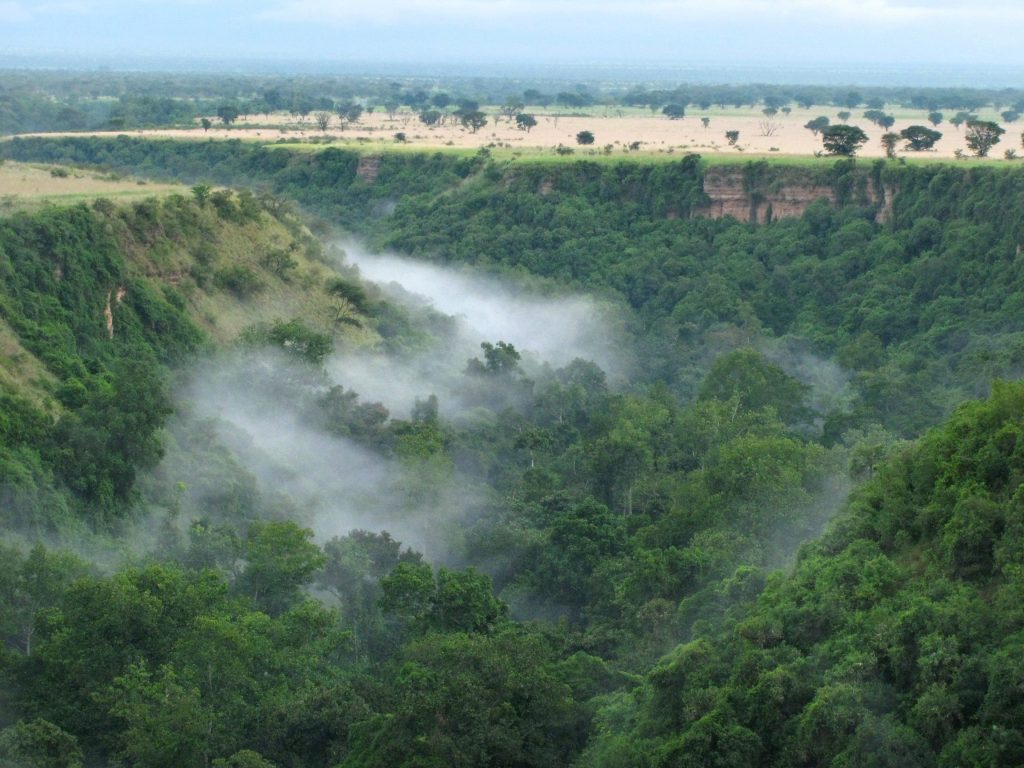
Uganda, famously known as the Pearl of Africa, has taken a bold step in conservation and tourism development by gazetting six new national parks. With this milestone, the total number of national parks in Uganda rises to 16, positioning the country as one of Africa’s most diverse and exciting safari destinations.
The newly declared parks—
, Echuya, Kyambura, Kigezi, Toro, and Katonga National Parks—were formerly forest and wildlife reserves. Their upgrade reflects the government’s commitment to safeguarding ecosystems, reducing human-wildlife conflict, and diversifying tourism opportunities. For visitors planning safaris with Mandrill African Safaris, these new parks offer fresh adventures off the beaten track.
Why Uganda Expanded Its National Parks
Uganda’s decision to expand its protected areas was driven by four major priorities:
1. Strengthening Conservation
The move grants stronger legal protection to fragile ecosystems such as montane forests, savannah corridors, and riverine habitats. By elevating reserves to national park status, Uganda ensures the survival of endangered species, including primates, birds, and large mammals.
2. Diversifying Tourism Attractions
While iconic destinations like Bwindi Impenetrable Forest, Murchison Falls, and Queen Elizabeth National Park remain popular, the new parks broaden Uganda’s portfolio. From lakeside ecosystems to hidden gorges and savannah corridors, travelers now have more reasons to extend their safari itineraries.
3. Reducing Human-Wildlife Conflict
As communities expand into natural habitats, conflict between humans and wildlife has become a pressing challenge. Upgrading these reserves helps curb encroachment, ensuring wildlife corridors remain intact while promoting peaceful coexistence.
4. Enhancing Community Benefits
Eco-tourism brings jobs, revenue, and infrastructure to surrounding communities. By gazetting new parks, Uganda is creating opportunities for sustainable livelihoods through community tourism initiatives, cultural experiences, and hospitality services.
A Closer Look at Uganda’s Six New National Parks
Each of the newly declared national parks comes with unique attractions, ecosystems, and tourism potential.
1. Bukaleba National Park – The Jewel of Lake Victoria
Perched on the northern shores of Lake Victoria, Bukaleba National Park boasts a rich lakeside ecosystem. Expect a blend of aquatic biodiversity, birdlife, and lush forest cover. It is poised to become a prime destination for boat safaris, birdwatching, and fishing expeditions.
Highlights of Bukaleba:
-
Birding along Lake Victoria’s wetlands
-
Scenic boat rides and fishing tours
-
Pristine forest walks
2. Echuya National Park – The Montane Forest Gem
Located in the Albertine Rift region, Echuya is famous for its montane and bamboo forests. It is a haven for rare species such as the Albertine Rift endemic birds and primates. For eco-travelers and bird enthusiasts, this park offers exceptional forest hikes and cultural experiences with nearby communities.
Highlights of Echuya:
-
Birdwatching hotspot for Albertine Rift endemics
-
Bamboo forest treks
-
Rich cultural tourism with Batwa communities
3. Kyambura National Park – The Primate-Filled Gorge
Often referred to as the “Valley of the Apes,” Kyambura Gorge is an iconic primate sanctuary adjoining Queen Elizabeth National Park. Its deep forested ravine is home to chimpanzees, black-and-white colobus, red-tailed monkeys, and countless bird species.
Highlights of Kyambura:
-
Guided chimpanzee tracking
-
Scenic nature walks through the gorge
-
Proximity to Queen Elizabeth National Park safaris
4. Kigezi National Park – Expanding Savannah Corridors
In southwestern Uganda, Kigezi provides vital savannah corridors connecting different ecosystems. This expansion ensures greater habitat coverage for species like elephants, antelopes, and predators. For visitors, it promises game drives, photography safaris, and cultural tours with nearby communities.
Highlights of Kigezi:
-
Expansive savannah safaris
-
Wildlife corridors supporting migration routes
-
Community cultural tourism
5. Toro National Park – Protecting the Savannah Heartland
Formerly a game reserve, Toro has been elevated to national park status, granting better protection to its grasslands, woodlands, and rivers. This park will appeal to visitors seeking classic game drives and birding excursions in Uganda’s western region.
Highlights of Toro:
-
Savannah game drives
-
Abundant birdlife
-
Scenic landscapes of western Uganda
6. Katonga National Park – Where Wetlands Meet Wildlife
Previously a game reserve, Katonga is now a national park renowned for its wetland ecosystems. It is particularly rich in sitatunga antelope, waterbirds, and riverine species. For adventurous travelers, canoe safaris and wetland walks make it a unique destination.
Highlights of Katonga:
-
Canoe safaris along Katonga River
-
Rare sitatunga antelope sightings
-
Rich aquatic and birdlife diversity
What These New Parks Mean for Uganda’s Safari Tourism
For travelers booking with Mandrill African Safaris, the expansion of Uganda’s protected areas means:
-
More Safari Choices – Visitors can now combine classic gorilla trekking with new experiences such as boat safaris in Bukaleba or chimpanzee tracking in Kyambura.
-
Off-the-Beaten-Path Adventures – These lesser-known parks offer authentic wilderness encounters, far from the crowds.
-
Cultural Enrichment – Many of these parks are close to traditional communities, providing opportunities for eco-cultural tourism.
-
Year-Round Travel – With diverse ecosystems, Uganda now offers attractions that appeal across different seasons.
Why Choose Mandrill African Safaris for Your Uganda Adventure?
At Mandrill African Safaris, we specialize in crafting unforgettable journeys across Uganda. With the addition of these six new national parks, our tailored safari packages now include:
-
Expert-guided tours to hidden gems like Echuya Forest and Katonga wetlands
-
Customized itineraries combining gorilla trekking, chimpanzee safaris, and savannah game drives
-
Community-based tourism experiences supporting local livelihoods
-
Comfortable accommodations that blend with nature
Whether you are a wildlife photographer, primate enthusiast, or cultural explorer, we ensure your journey through Uganda’s 16 national parks is truly memorable.
Final Thoughts
Uganda’s decision to gazette six new national parks marks a historic step in conservation and tourism development. From the shores of Lake Victoria to the gorges of Kyambura and the savannahs of Kigezi, these new destinations promise unmatched safari experiences.
With Mandrill African Safaris as your travel partner, you can now explore a richer, more diverse Uganda—one that continues to shine as the Pearl of Africa.


