

The Secret Life of the Shoebill Stork: Where to Find Them in Uganda
2026-02-04
Beyond Gorillas: Tracking the Golden Monkeys of Mgahinga Gorilla National Park
2026-02-05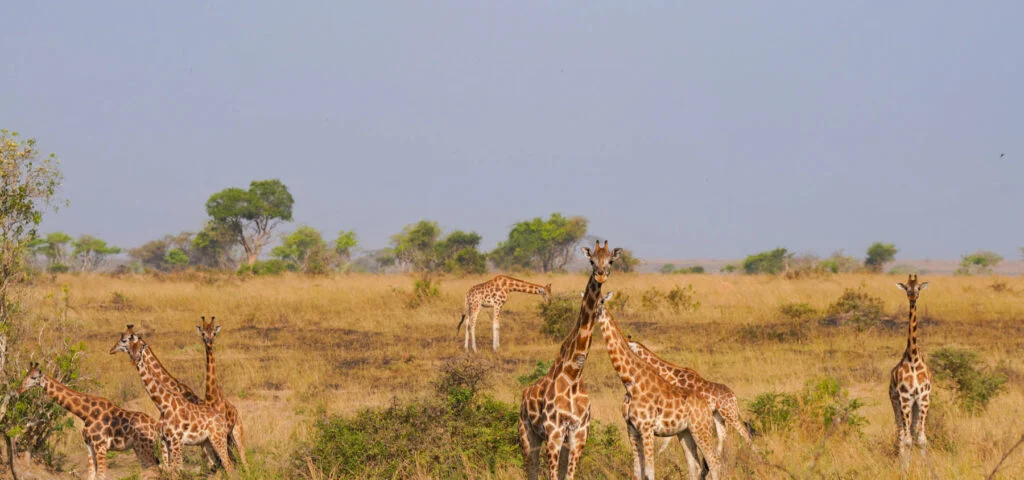
Uganda’s Endangered Species: What Is Being Done for the Nubian Giraffe?
An In-Depth Look at Conservation Success and Safari Opportunities with Mandrill African Safaris
Discover how Uganda is protecting the endangered Nubian giraffe — one of Africa’s most iconic but threatened species. Learn about conservation successes, threats, habitat protection, community efforts, and how Mandrill African Safaris supports wildlife conservation and responsible tourism in Uganda.
Introduction: Uganda’s Crown Jewel of Wildlife Conservation
Uganda is often called the “Pearl of Africa” — and for good reason. Its landscapes stretch from the snow-capped Rwenzori Mountains to the glittering waters of Lake Victoria, but it’s the country’s extraordinary biodiversity that truly sets it apart. Among Uganda’s most charismatic and symbolic wildlife is the Nubian giraffe (Giraffa camelopardalis camelopardalis), an awe-inspiring subspecies of the northern giraffe listed as critically endangered and once on the brink of extinction in the country.
These graceful giants — with their long necks and elegant spotted coats — are a highlight of Uganda’s savannahs and national parks. Yet, their survival has been imperiled by habitat loss, poaching, and historical range reduction. Today, thanks to sustained conservation efforts by government agencies and wildlife organizations, the story of the Nubian giraffe in Uganda is shifting from crisis to cautious hope.
The Plaque of Endangerment: Who Are the Nubian Giraffes?
The Nubian giraffe is one of the most threatened giraffe subspecies in Africa. Historically, its natural range included southern South Sudan, western and southern Ethiopia, western Kenya, and northwestern Uganda. However, decades of hunting, habitat fragmentation, and human encroachment drastically reduced their numbers and geographic footprint.
By 2010, only a few hundred individuals remained in Uganda, primarily in Murchison Falls and Kidepo Valley National Parks. This dramatic population decline led to the Nubian giraffe being classified as Endangered on the IUCN Red List.
Today, thanks to coordinated conservation work, Uganda supports some of the largest remaining Nubian giraffe populations on the continent, making the country pivotal to the survival of the subspecies.
Threats Facing the Nubian Giraffe in Uganda
Despite encouraging recovery trends, Nubian giraffes remain vulnerable. The most persistent threats include:
1. Habitat Loss and Fragmentation
Expanding agriculture and development near protected areas restricts giraffes’ natural ranges and movement corridors. As human settlements grow, giraffes are squeezed into shrinking wildlife habitats, increasing competition for resources.
2. Poaching and Snaring
While giraffes are not always directly targeted, they often become victims of indiscriminate wire snares set for other animals. These painful injuries can lead to infection, impaired movement, and even death. Anti-poaching patrols remain essential.
3. Development Pressures
Infrastructure projects — including roads and oil exploration — intersect giraffe habitats, potentially disrupting migration routes and increasing vehicle collisions and human-wildlife conflict.
Conservation Efforts: A Multifaceted Success Story
Uganda’s conservation success with the Nubian giraffe is rooted in partnerships, science-based strategies, habitat protection, and community engagement. Here’s a closer look at how this success has been achieved:
1. Strategic Partnerships: Government and NGOs
The collaboration between the Uganda Wildlife Authority (UWA) and the Giraffe Conservation Foundation (GCF) has been central to giraffe conservation. Since 2013, their partnership has focused on monitoring, research, habitat protection, and population management across the country.
Regular population surveys, guided by photographic pattern recognition, help conservationists track individual giraffes and monitor trends across landscapes. These surveys extend across thousands of square kilometers of savannah and woodland ecosystems.
2. Expanding Range Through Translocations
One of the most effective tools used to protect the Nubian giraffe in Uganda has been conservation translocations — strategically moving giraffes from high-density areas to historic or more secure habitats.
These operations, often called “Operation Twiga” initiatives (“twiga” means “giraffe” in Swahili), have helped establish and strengthen giraffe populations in several protected areas:
-
Murchison Falls National Park: Uganda’s largest Nubian giraffe population can be found here. Translocations have helped spread giraffes to the southern bank of the Nile, reducing pressure on the northern population and increasing genetic resilience.
-
Kidepo Valley National Park: Once reduced to only three individuals in the 1990s, this population has rebounded following translocations and now supports dozens of giraffes.
-
Lake Mburo National Park: Giraffes were absent for more than a century due to poaching and disease. Targeted reintroductions in 2015 and beyond have established a growing population here.
-
Pian Upe Wildlife Reserve: Extinct locally by the 1990s, Pian Upe now hosts reintroduced giraffes thriving once again thanks to recent translocation support.
Together, these expansions have taken giraffes from two small pockets in Uganda to five distinct populations with an estimated total of over 2,400 individuals — a remarkable conservation turnaround.
3. Monitoring and Research
Continuous monitoring is essential for understanding giraffe ecology and threats. The GCF and UWA use a variety of tools, including aerial surveys, individual pattern recognition, and GPS tracking of select individuals. These data help refine protection strategies and adapt them to emerging challenges.
4. Anti-Poaching and Veterinary Support
Anti-poaching patrols, ranger training, and mobile veterinary units have reduced giraffe mortality from snares and other injuries. These field teams play a crucial role in ensuring that giraffes not only survive but thrive in their habitats.
5. Community Engagement and Education
Sustainable wildlife conservation in Uganda goes beyond protected areas. Local communities play a vital role. Programs that involve education, outreach, and economic incentives help foster coexistence between humans and wildlife.
Engaging schools, offering community training, and involving local stakeholders in conservation decision-making help build ownership of wildlife protection goals and reduce conflict.
How Tourism and Safaris Help Save Giraffes
Tourism is more than an economic engine — it’s a lifeline for endangered species. Well-managed wildlife tourism generates revenue that supports park management, anti-poaching efforts, community development, and ongoing research.
At Mandrill African Safaris, we integrate responsible and sustainable tourism principles into every wildlife experience. Here’s how our safari programs contribute to giraffe conservation:
1. Visitor Support Funds Conservation
A portion of tourism revenue goes directly to park fees and community wildlife funds. These funds help hire rangers, support anti-poaching patrols, and maintain essential infrastructure.
2. Education Through Experience
Watching giraffes roam free on an unforgettable Uganda safari sparks emotional connections. Travelers return home as advocates, sharing stories and raising awareness about endangered species like the Nubian giraffe.
3. Encouraging Longer Stays and Diversified Tourism
Less-visited areas like Lake Mburo and Pian Upe are gaining attention through safari itineraries. This spreads tourism benefits to more landscapes, reducing pressure on heavily trafficked parks and supporting broader conservation.
4. Respectful Wildlife Viewing Practices
Our guides ensure that wildlife encounters are conducted ethically — maintaining safe distances, minimizing noise and disturbance, and respecting animal behaviour and habitats to reduce stress on giraffes.
Where You Can See Nubian Giraffes in Uganda
While on safari, visitors have exciting opportunities to see Nubian giraffes in several protected areas:
Murchison Falls National Park
This is Uganda’s best place to spot large herds of Nubian giraffes across rolling savannah plains. Morning and evening game drives here offer outstanding sightings.
Kidepo Valley National Park
This remote wilderness is home to a growing giraffe population, along with lions, elephants, and rare antelope species.
Lake Mburo National Park
Reintroduced giraffes thrive alongside zebras, impalas, and hippos — making this park a rewarding stop on combined tours.
Pian Upe Wildlife Reserve
An emerging safari highlight, Pian Upe offers sightings of newly reintroduced giraffe herds in a rugged, expansive landscape.
The Future: Challenges and Hope
While progress in Uganda is inspiring, continued commitment is essential. Ongoing threats like habitat encroachment, climate change, and resource competition mean that giraffe conservation must adapt and stay vigilant.
The National Giraffe Conservation Strategy & Action Plan (2020-2030) provides a roadmap for long-term protection, emphasizing habitat connectivity, robust monitoring, community partnerships, and policy support.
With ongoing protection efforts and responsible tourism support, the future for Uganda’s Nubian giraffes is brighter than it has been in decades — but the work is not finished.
Conclusion: A Story Worth Protecting
Uganda’s efforts to save the Nubian giraffe stand as a testament to what dedicated conservation can achieve when science, community, government, and tourism unite. From near-extinction to growing populations across national parks, these iconic animals have become symbols of resilience and hope.
When you embark on a Mandrill African Safaris wildlife journey, you’re not just witnessing breathtaking landscapes and remarkable wildlife — you’re supporting a living legacy of conservation that helps ensure that future generations can marvel at the sight of giraffes silhouetted against an African sunset.


