

Unveiling the Diversity of Uganda’s Monkey Species
2026-02-11
Tracking the Rare Red-Colobus Monkeys in Bigodi
2026-02-11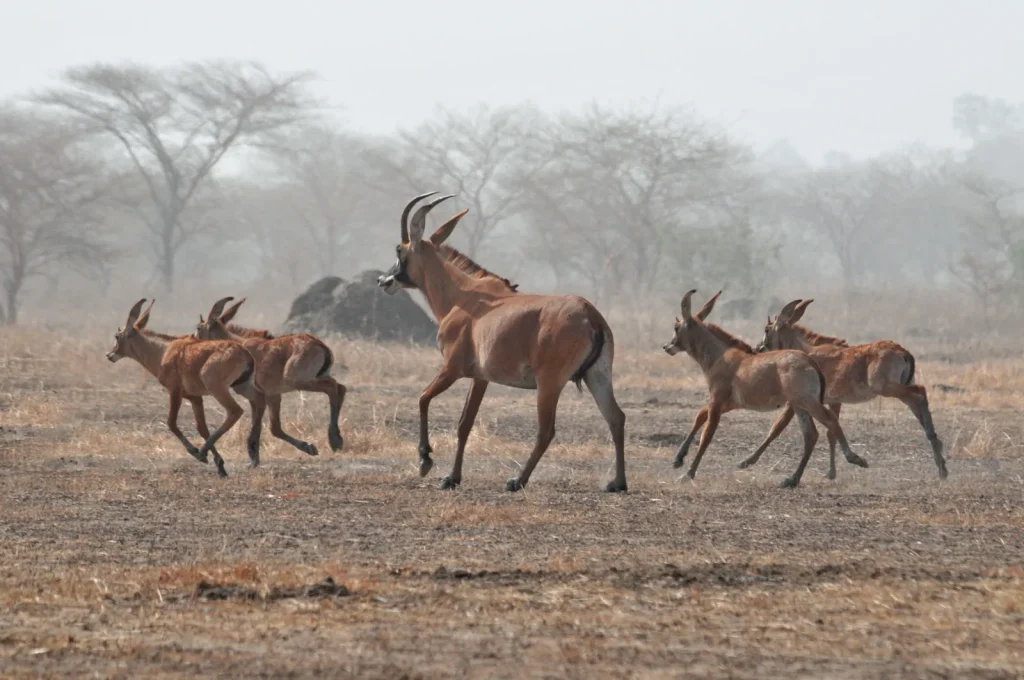
The Secret Life of Uganda’s Roan Antelope – A Hidden Gem of African Safaris
Discover the secret life of Uganda’s Roan Antelope in this in-depth safari guide by Mandrill African Safaris. Learn where to see roan antelope in Uganda, their behavior, habitat, conservation status, and why they are among the rarest antelopes in East Africa.
Introduction: Meet Uganda’s Elusive Roan Antelope
When travelers think of a Uganda wildlife safari, they often picture mountain gorillas in Bwindi, tree-climbing lions in Queen Elizabeth National Park, or elephants along the Nile in Murchison Falls. But hidden within Uganda’s remote savannah landscapes lives one of Africa’s most majestic and rare antelopes — the Roan Antelope.
The roan antelope in Uganda is a true secret of the wild. Elegant, powerful, and shy, it remains one of the least-seen large mammals in the country. For wildlife enthusiasts seeking something extraordinary beyond the usual safari checklist, spotting this rare antelope is a thrilling achievement.
At Mandrill African Safaris, we specialize in crafting unique Uganda safari tours that uncover these hidden treasures — and the roan antelope is certainly one of them.
What is the Roan Antelope?
The Roan Antelope (Hippotragus equinus) is one of Africa’s largest antelope species, second only to the eland. Its name comes from its distinctive reddish-brown (roan) coat, contrasted by bold black-and-white facial markings that resemble a dramatic mask.
Key Characteristics:
-
Height: Up to 1.5 meters at the shoulder
-
Weight: 220–300 kg
-
Lifespan: 15–17 years in the wild
-
Both males and females have curved, ringed horns
-
Prominent backward-curving horns (up to 1 meter long)
Their muscular build, long face, and striking appearance make them stand out among Uganda’s antelope species. Yet despite their size, they are surprisingly elusive.
Where to See Roan Antelope in Uganda
If you’re wondering where to see roan antelope in Uganda, the answer lies in the country’s less-visited wilderness areas.
1. Pian Upe Wildlife Reserve – The Best Place
The Pian Upe Wildlife Reserve, located in northeastern Uganda, is the most reliable destination for spotting roan antelope. This remote reserve is part of the Karamoja sub-region and offers raw, untouched African savannah landscapes.
Unlike busier parks, Pian Upe offers:
-
Fewer vehicles
-
Vast open plains
-
Authentic wilderness experiences
-
A high chance of encountering rare antelopes
Roan antelope thrive here because of the expansive grasslands and relatively low human disturbance.
2. Kidepo Valley National Park
Although sightings are rare, Kidepo Valley National Park has occasionally recorded roan antelope. Kidepo itself is known as Uganda’s most scenic and wild park, making it an excellent addition to a specialized safari itinerary.
The Habitat of Uganda’s Roan Antelope
Roan antelope prefer:
-
Open savannah grasslands
-
Lightly wooded areas
-
Well-watered plains
-
Areas with medium-height grasses
They avoid dense forests and heavily populated regions. In Uganda, their habitat is increasingly limited, which contributes to their rarity.
The vast plains of Pian Upe provide the perfect mix of:
-
Grazing areas
-
Water sources
-
Visibility to detect predators
This habitat supports not only roan antelope but also other rare antelope species in Uganda like oribi, Jackson’s hartebeest, and lesser kudu.
The Secret Social Life of Roan Antelope
Roan antelope are highly social animals, usually living in herds of:
-
5 to 15 individuals
-
Dominated by a single territorial male
-
Females and juveniles form the core group
Older males may become solitary or form bachelor groups.
Territorial Behavior
Dominant males establish territories and defend them aggressively, especially during breeding season. They use:
-
Scent marking
-
Dung piles
-
Horn displays
-
Physical combat
Watching two males clash horns in the golden savannah light is a rare but unforgettable safari moment.
Feeding Habits: Grazers of the Savannah
Roan antelope are primarily grazers, feeding on:
-
Medium-height grasses
-
Fresh shoots
-
Occasionally leaves during dry seasons
They are selective feeders and prefer high-quality grasses, often found near water sources. Unlike some antelope species, they are less adaptable to poor grazing conditions, making habitat conservation crucial.
They typically feed during:
-
Early morning
-
Late afternoon
Midday heat is often spent resting in shaded areas.
Predators and Survival Strategies
Despite their size, roan antelope face threats from:
-
Lions
-
Leopards
-
Hyenas
-
Wild dogs
Their survival strategies include:
-
Living in groups for protection
-
Keen eyesight and hearing
-
Aggressive defense when cornered
Roan antelope are known to fiercely defend themselves. They can use their long, sharp horns to injure predators — even lions.
Conservation Status in Uganda
The roan antelope population in Uganda has significantly declined over the decades due to:
-
Poaching
-
Habitat loss
-
Civil unrest in northern Uganda
-
Human-wildlife conflict
Today, they are considered locally endangered in Uganda, though globally listed as of “Least Concern” due to stronger populations in southern Africa.
Efforts by the Uganda Wildlife Authority (UWA) and conservation partners have helped stabilize populations in protected areas like Pian Upe.
At Mandrill African Safaris, we actively promote:
-
Responsible tourism
-
Community involvement
-
Conservation awareness
-
Low-impact safari experiences
Every safari booked contributes to wildlife protection and community development.
Why Roan Antelope Sightings Are Special
Spotting a roan antelope in Uganda is not just a tick on your wildlife checklist — it’s a badge of honor for serious safari lovers.
Here’s why:
-
They are extremely rare in East Africa.
-
They inhabit remote and less-visited areas.
-
Sightings require patience and expert guiding.
-
Their beauty is unmatched among savannah antelopes.
For photographers, the roan antelope’s striking facial markings and curved horns create dramatic portrait opportunities.
Best Time to See Roan Antelope in Uganda
The best time for a Uganda safari tour targeting roan antelope is during the dry seasons:
-
June to September
-
December to February
During these months:
-
Grass is shorter
-
Wildlife gathers near water sources
-
Roads are more accessible
Dry conditions improve visibility, making it easier to track and photograph these rare antelopes.
Combining Roan Antelope with Other Safari Experiences
A specialized safari itinerary can combine roan antelope tracking with:
-
Gorilla trekking in Bwindi
-
Chimpanzee tracking in Kibale Forest
-
Game drives in Murchison Falls
-
Cultural encounters in Karamoja
-
Birdwatching in Pian Upe
Pian Upe is also home to over 300 bird species, making it a paradise for bird lovers.
Mandrill African Safaris designs customized itineraries that balance rare wildlife sightings with comfort and authentic cultural experiences.
Photography Tips for Roan Antelope
If you’re planning a safari focused on rare antelope in Uganda, consider these tips:
-
Use a 200–400mm telephoto lens
-
Shoot during golden hour
-
Stay patient and quiet
-
Position yourself downwind
-
Capture both herd shots and close-up portraits
Because roan antelope are cautious, maintaining distance is essential.
Cultural Significance in Karamoja
In the Karamoja region, wildlife has long coexisted with pastoral communities. While modern conservation laws protect roan antelope, local awareness programs help communities understand the importance of preserving biodiversity.
Tourism provides alternative income sources, reducing reliance on hunting and strengthening conservation efforts.
Why Choose Mandrill African Safaris
At Mandrill African Safaris, we go beyond ordinary game drives.
We offer:
-
Expert local guides familiar with rare species tracking
-
Customized Uganda safari tours
-
Sustainable travel experiences
-
Deep knowledge of remote reserves like Pian Upe
-
Safe and well-organized itineraries
If your dream is to discover the secret life of Uganda’s roan antelope, we will take you there.
FAQs About Roan Antelope in Uganda
1. Where can I see roan antelope in Uganda?
The best place to see roan antelope in Uganda is Pian Upe Wildlife Reserve in northeastern Uganda.
2. Are roan antelope endangered in Uganda?
They are considered locally endangered due to habitat loss and past poaching, though global populations remain stable.
3. What makes roan antelope different from other antelopes?
Their large size, reddish coat, bold facial markings, and long curved horns distinguish them from other Uganda antelope species.
4. When is the best time to see roan antelope in Uganda?
The dry seasons (June–September and December–February) offer the best viewing conditions.
5. Can I combine roan antelope viewing with gorilla trekking?
Yes. A customized Uganda safari can combine Pian Upe with Bwindi Impenetrable National Park for gorilla trekking.
6. Are roan antelope aggressive?
They are generally calm but can aggressively defend themselves when threatened, especially males during territorial disputes.
7. How rare are roan antelope in East Africa?
They are among the rarest large antelopes in East Africa, making sightings particularly special.
Final Thoughts: A Safari Beyond the Ordinary
Uganda is often called the Pearl of Africa, and for good reason. Beyond the famous gorillas and big game lies a quieter, more mysterious wilderness.
The roan antelope in Uganda represents that hidden side — majestic, elusive, and unforgettable.
If you are ready to experience a safari that goes beyond the obvious, let Mandrill African Safaris guide you into the remote savannahs of Pian Upe, where the secret life of the roan antelope quietly unfolds.


