


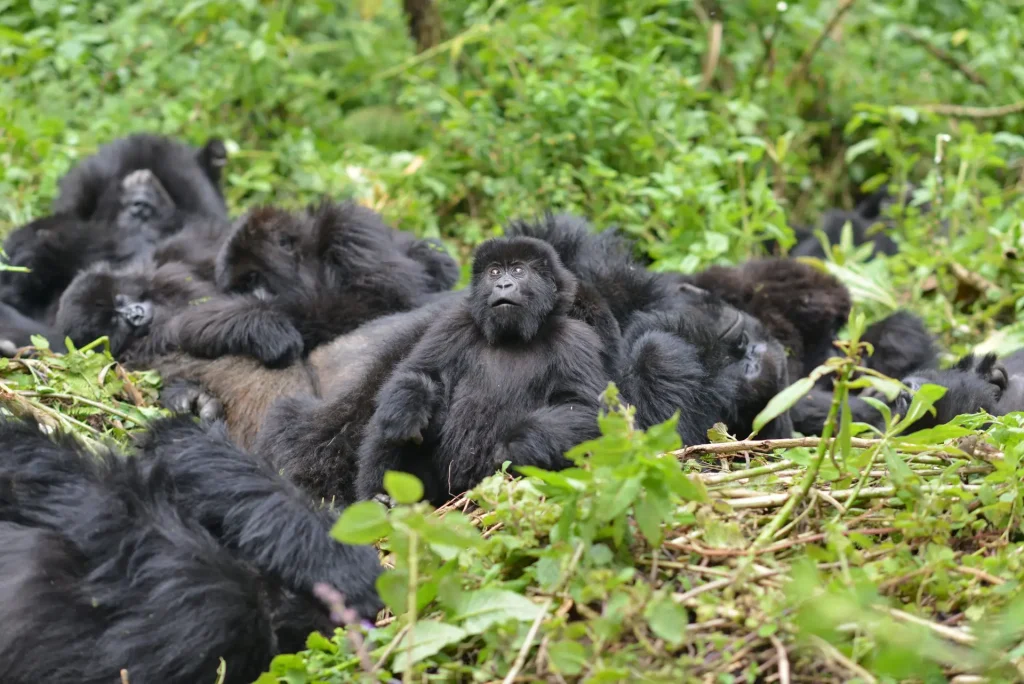
The Role of Trackers in Gorilla Conservation
By Mandrill African Safaris
Gorilla trekking is one of the most extraordinary wildlife experiences in the world. Every year, thousands of travelers visit East and Central Africa to encounter endangered mountain gorillas in their natural habitat. However, behind every successful gorilla trekking adventure is a dedicated team of trackers working tirelessly in the forests. These trackers are the unsung heroes of gorilla conservation.
From monitoring gorilla families to protecting them from poachers and guiding tourists safely through dense forests, trackers play a crucial role in safeguarding these magnificent primates. In countries like Uganda, Rwanda, and Democratic Republic of the Congo, gorilla trackers are essential to the long-term survival of mountain gorillas.
In this article by Mandrill African Safaris, we explore the vital role trackers play in gorilla conservation, how they support tourism, and why their work is critical for protecting one of the world’s most endangered species.
Understanding Gorilla Conservation
Mountain gorillas are among the rarest animals on Earth. Today, fewer than 1,100 individuals remain in the wild. Most live in protected areas such as Bwindi Impenetrable National Park, Mgahinga Gorilla National Park, and Volcanoes National Park.
For decades, gorillas faced serious threats including:
-
Habitat loss
-
Poaching
-
Disease transmission from humans
-
Political instability in protected areas
Fortunately, conservation programs, community involvement, and regulated gorilla trekking tourism have helped the population slowly recover. One of the most important contributors to this success is the dedicated work of gorilla trackers.
Who Are Gorilla Trackers?
Gorilla trackers are highly trained individuals who spend their days deep in forests searching for and monitoring gorilla families. Many trackers come from local communities surrounding national parks, making their work not only important for conservation but also for community livelihoods.
Trackers usually begin their work early in the morning, long before tourists arrive. Their job is to locate gorilla groups, observe their movements, and communicate their location to park rangers and guides.
Their knowledge of the forest, wildlife behavior, and terrain is extraordinary. Without trackers, finding gorillas in vast forests would be nearly impossible.
Daily Work of Gorilla Trackers
The job of a gorilla tracker is both physically demanding and incredibly rewarding. Their daily tasks include:
1. Locating Gorilla Families
Trackers head into the forest early in the morning to find gorilla groups. They follow clues such as:
-
Broken branches
-
Fresh nests from the previous night
-
Gorilla droppings
-
Feeding trails
Using these signs, trackers can determine where gorillas moved overnight and predict their location.
2. Monitoring Gorilla Health and Behavior
Trackers observe gorillas closely to monitor their health and social interactions.
They note:
-
Injuries or illnesses
-
Births of new infants
-
Changes in group dynamics
-
Feeding habits
These observations help conservation scientists better understand gorilla behavior and population health.
3. Protecting Gorillas from Poaching
Although poaching has reduced significantly, the threat still exists. Trackers help detect illegal activities such as:
-
Animal snares
-
Unauthorized forest entry
-
Poachers targeting other wildlife
If they find snares or suspicious activities, they alert park authorities immediately. This proactive monitoring helps keep gorillas safe.
4. Supporting Gorilla Trekking Tourism
Trackers are the reason tourists can reliably find gorilla families during treks.
After locating the gorillas, trackers communicate their position to park guides who lead visitors through the forest. Because gorillas move frequently, this information is essential for a successful trekking experience.
For travelers booking safaris with Mandrill African Safaris, trackers help ensure unforgettable encounters with gorillas in places like Bwindi Impenetrable National Park.
How Trackers Help Scientists and Conservationists
Gorilla trackers also support research and conservation programs.
Their observations provide valuable data that scientists use to:
-
Track population growth
-
Monitor gorilla migration patterns
-
Identify disease outbreaks
-
Study family structures
This long-term data collection has been crucial in understanding how to protect gorillas more effectively.
The Connection Between Tourism and Gorilla Conservation
Gorilla trekking tourism plays a major role in conservation funding. Visitors pay permit fees to see gorillas in protected areas.
These funds support:
-
Park management
-
Ranger salaries
-
Community development
-
Wildlife protection programs
Because trackers help ensure successful gorilla encounters, they are an essential link between tourism and conservation.
In parks like Bwindi Impenetrable National Park and Volcanoes National Park, tourism revenue has helped improve infrastructure and protect habitats.
Challenges Faced by Gorilla Trackers
Despite their important work, gorilla trackers face several challenges.
Difficult Terrain
Gorillas live in dense forests and mountainous terrain. Trackers often hike for hours through thick vegetation, mud, and steep slopes.
Weather Conditions
Trackers work in all weather conditions including heavy rain and intense humidity.
Risk of Wildlife Encounters
Trackers may encounter other wildlife such as elephants, buffaloes, or snakes during their patrols.
Limited Resources
In some regions, conservation programs face funding challenges, making it harder to provide adequate equipment and support.
Despite these difficulties, trackers remain deeply committed to protecting gorillas.
Community Benefits of Gorilla Tracking
Many gorilla trackers come from local communities living near national parks. Their employment helps create positive relationships between communities and conservation programs.
Benefits include:
-
Job creation
-
Conservation awareness
-
Reduced poaching
-
Increased support for wildlife protection
When communities benefit from tourism, they are more likely to protect wildlife habitats.
This community-based conservation approach has been a key factor in the recovery of mountain gorilla populations.
The Future of Gorilla Conservation
The future of mountain gorillas depends on continued conservation efforts and responsible tourism.
Key priorities include:
-
Protecting gorilla habitats
-
Expanding conservation funding
-
Training more trackers and rangers
-
Strengthening community engagement
Organizations, governments, and safari operators like Mandrill African Safaris play an important role in supporting these initiatives.
Responsible tourism ensures that gorillas remain protected while travelers enjoy one of the most remarkable wildlife experiences on Earth.
Why Gorilla Trackers Are True Conservation Heroes
Without trackers, gorilla conservation would face enormous challenges. Their daily work helps ensure gorillas are protected, monitored, and accessible for sustainable tourism.
They:
-
Safeguard gorilla families
-
Provide vital data for conservation research
-
Prevent poaching
-
Enable unforgettable trekking experiences for visitors
Every time a traveler encounters a gorilla family in the forest, it is largely thanks to the dedication of these hardworking individuals.
Conclusion
Gorilla trackers are the backbone of successful gorilla conservation programs. Their dedication, knowledge, and courage make it possible to protect one of the world’s most endangered species while supporting sustainable tourism.
When travelers visit destinations like Bwindi Impenetrable National Park or Volcanoes National Park with Mandrill African Safaris, they are not only experiencing an unforgettable wildlife encounter but also contributing to a powerful conservation story.
By supporting responsible gorilla trekking, travelers help ensure that future generations will continue to share the forests with these incredible primates.
FAQs About Gorilla Trackers and Conservation
1. What does a gorilla tracker do?
A gorilla tracker locates and monitors gorilla families in the forest. They observe gorilla movements, report their locations to guides, and help protect them from poaching.
2. Are gorilla trackers the same as park rangers?
Not exactly. Trackers primarily focus on locating and monitoring gorilla groups, while rangers handle security, law enforcement, and park management.
3. How early do gorilla trackers start their work?
Trackers usually begin early in the morning, often before sunrise, to locate gorilla groups before tourist treks begin.
4. How do trackers find gorillas in dense forests?
They follow signs such as nests, footprints, droppings, feeding remains, and broken vegetation.
5. Why are trackers important for gorilla tourism?
Trackers locate gorillas before tourists arrive, ensuring that visitors have a high chance of seeing gorilla families during their trekking experience.
6. Do trackers interact with the gorillas?
Trackers observe gorillas from a safe distance and follow strict conservation guidelines to avoid disturbing them.


