

The Wildlife of the Lake Victoria Shoreline
2026-03-04
The Role of Trackers in Gorilla Conservation
2026-03-06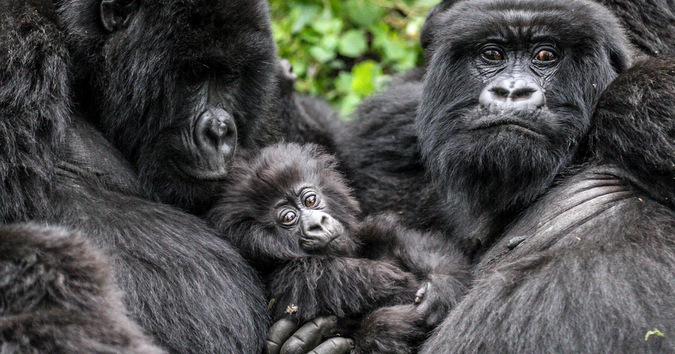
How to Find the Most Secluded Gorilla Families
An Expert Guide by Mandrill African Safaris
Discover how to find the most secluded gorilla families in Uganda and Rwanda. Learn expert tips on gorilla trekking in Bwindi, Mgahinga, and Volcanoes National Park with Mandrill African Safaris.
People cross oceans, spend thousands of dollars, train for months… and then hope their gorilla trek feels intimate instead of like a hiking club reunion. The irony is powerful. You travel to the wild for silence and end up behind seven strangers whispering loudly about Instagram angles.
Finding the most secluded gorilla families is not luck. It is planning, timing, and working with a safari company that understands the terrain better than your phone understands your browsing history. At Mandrill African Safaris, that is exactly what we do.
Let’s break down how to actually experience gorilla trekking the way it should be: quiet, immersive, and unforgettable.
Understanding Gorilla Family Allocation
Before chasing “secluded,” you need to understand how gorilla permits work.
In Uganda and Rwanda, permits are issued for specific habituated gorilla families. Only eight visitors are allowed per gorilla group per day. That sounds intimate. And technically it is. But some families are easier to reach, meaning more trekkers choose them.
The most famous trekking destinations include:
-
Bwindi Impenetrable National Park
-
Mgahinga Gorilla National Park
-
Volcanoes National Park
Each park has multiple gorilla families, but not all are equally remote. Some require short hikes. Others demand real effort. Guess which ones feel more exclusive.
Exactly.
Choose the Right Sector in Bwindi
Bwindi Impenetrable National Park is divided into four trekking sectors:
-
Buhoma
-
Ruhija
-
Rushaga
-
Nkuringo
If you want seclusion, Nkuringo and parts of Rushaga often offer more remote trekking experiences. These sectors sit at higher altitudes with steeper terrain. That scares off casual trekkers and rewards those willing to earn the encounter.
Buhoma is iconic and beautiful, but it is also the most accessible and popular. If you prefer solitude over convenience, choose carefully.
At Mandrill African Safaris, we advise clients based on fitness level, expectations, and seasonal gorilla movement patterns. Because “remote” is thrilling only if you are physically prepared.
Trek in the Low Season
You want fewer tourists? Travel when others hesitate.
The low seasons in Uganda and Rwanda are typically:
-
March to May
-
October to November
Rain makes trails muddy and photography trickier. But it also reduces visitor numbers significantly. The forest becomes quieter. Lodges feel private. The experience becomes deeply personal.
Gorillas do not disappear because of rain. They live there. You are the visitor. Adjust accordingly.
Request Longer, More Challenging Treks
Here is a truth no one puts on glossy brochures: easier treks are more popular.
When permit allocation happens, park authorities often assign visitors based on age and fitness. Older or less fit trekkers are given families closer to the starting point. Younger, stronger trekkers are assigned farther groups.
If you want seclusion, communicate clearly that you are prepared for a longer hike. A 4–6 hour trek through dense forest filters out the uncommitted. And that effort transforms the final hour with the gorillas into something sacred.
Consider Mgahinga for Fewer Crowds
Mgahinga Gorilla National Park has only one habituated gorilla family. Because of this, fewer permits are issued daily compared to Bwindi.
It is smaller, quieter, and dramatically scenic with its volcanic backdrop. Many travelers overlook Mgahinga in favor of Bwindi’s fame. That makes it perfect for those who value exclusivity over bragging rights.
Less traffic. More intimacy. Same mountain gorillas.
Explore Gorilla Habituation Experiences
In southern Bwindi, especially Rushaga, travelers can book a gorilla habituation experience. This allows four visitors (instead of eight) to spend up to four hours with a semi-habituated family.
Four people. Four hours.
That is about as secluded as it gets without moving into the forest permanently. It costs more than standard permits, but exclusivity always does.
Travel with a Specialist Safari Operator
This is where most people cut corners and regret it later.
An experienced company like Mandrill African Safaris understands:
-
Which families tend to move deeper into the forest
-
Which sectors receive higher booking pressure
-
Which lodges are positioned for remote starting points
-
How to secure less competitive permit dates
Anyone can book a permit. Not everyone can engineer an experience.
Choose the Right Lodge Location
Where you sleep determines how your day begins.
Lodges near busy park gates naturally host more trekkers. Remote eco-lodges in Nkuringo or highland areas near Rushaga offer quieter mornings and faster access to isolated trails.
Imagine stepping out at dawn with mist rising from the forest canopy and hearing nothing but birds. No engines. No crowds. Just anticipation.
That is not luck. That is logistics.
Combine Uganda and Rwanda Strategically
Many travelers focus solely on Volcanoes National Park because of its luxury lodges and shorter treks. It is exceptional, but it is also premium and popular.
Uganda often offers more varied terrain and a greater number of gorilla families, increasing your chances of securing a more remote experience.
Mandrill African Safaris can design cross-border itineraries that maximize both exclusivity and comfort, while managing permits seamlessly.
Understand Gorilla Behavior and Movement
Gorillas are wild. They move.
Some families feed at lower elevations. Others climb higher slopes. During fruiting seasons, movement patterns shift. Rangers track them daily, but historical movement trends influence trek difficulty.
Choosing a period when certain families range farther from central access points increases your likelihood of seclusion.
This level of insight comes from relationships on the ground, not from generic travel blogs.
Manage Expectations
Seclusion does not mean isolation from all humanity.
You will be in a group of up to eight trekkers. Rangers and trackers will be present. The forest is protected and regulated. That structure ensures conservation and safety.
But within that framework, you can still experience extraordinary intimacy. When a silverback locks eyes with you from five meters away, the world shrinks. Even if seven others are nearby, it feels personal.
And yes, you will forget your phone exists.
Why Seclusion Matters
Mountain gorillas are endangered. Conservation relies on tourism revenue. The system must balance protection with access.
Choosing remote sectors or habituation experiences spreads tourism pressure more evenly across families. That supports sustainable conservation while giving you a richer encounter.
Everyone wins. The forest breathes easier. You leave transformed.
Final Thoughts
Finding the most secluded gorilla families is not about chasing emptiness. It is about intention.
-
Select quieter sectors like Nkuringo or Mgahinga
-
Travel during low season
-
Request longer treks
-
Consider habituation experiences
-
Work with a knowledgeable safari company
At Mandrill African Safaris, we design gorilla trekking experiences that prioritize authenticity, conservation, and meaningful connection.
Because standing in the rainforest with wild mountain gorillas should feel rare.
It should feel earned.
And it should never feel crowded.
FAQs About Finding Secluded Gorilla Families
1. Which park offers the most secluded gorilla trekking experience?
Bwindi Impenetrable National Park offers the most variety of families, making it easier to find remote sectors. Mgahinga Gorilla National Park is quieter overall but has only one family.
2. Is gorilla habituation better for privacy?
Yes. Habituation experiences limit groups to four visitors and allow four hours with the gorillas, offering deeper immersion.
3. Does low season affect gorilla sightings?
No. Gorilla sightings remain highly successful year-round. Rain can make treks harder but reduces crowds significantly.
4. Are remote treks physically demanding?
Often yes. Higher altitude and longer distances require moderate fitness. Proper preparation ensures comfort and safety.
5. How far in advance should I book for secluded permits?
Ideally 3–6 months in advance, especially if targeting specific sectors or low visitor dates.


