

Inside the Rhino Fund Uganda: Protecting the Ziwa Population
2026-02-02
Best Forest Walks in Uganda: A Guide to Mabira and Budongo
2026-02-03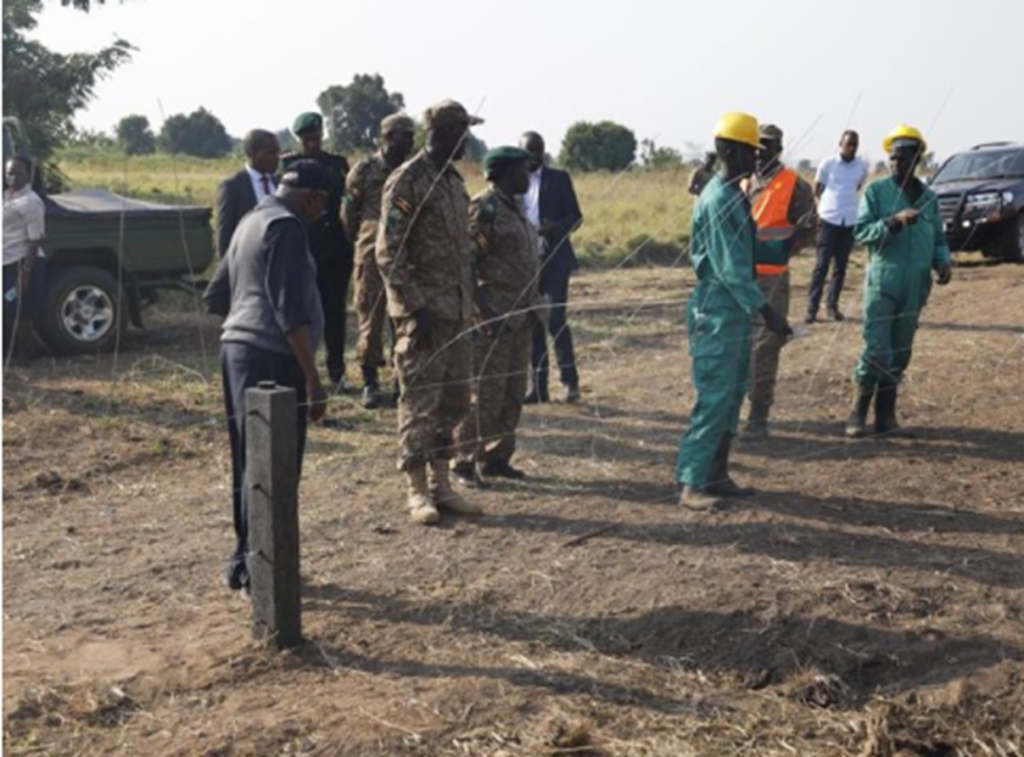
The Real Story Behind Human-Wildlife Conflict at Murchison Falls
Murchison Falls National Park — one of Uganda’s most iconic safari destinations — is widely celebrated for its dramatic waterfalls, abundant wildlife, and rich biodiversity. Yet behind this picture-perfect image lies a growing and complex challenge: human-wildlife conflict at Murchison Falls. As human populations expand and habitat pressures increase, interactions between people and wildlife have intensified, threatening community livelihoods and conservation efforts.
At Mandrill African Safaris, we are deeply committed to responsible tourism, ecological awareness, and supporting local communities. In this deep-dive blog, we explore the real story behind human-wildlife conflict at Murchison Falls, why it matters, and what is being done to foster coexistence.
What is Human-Wildlife Conflict? A Clear Definition
Human-wildlife conflict refers to negative interactions between people and wildlife where the outcome is costly for both sides — from damaged crops and injured livestock to threats to human safety and retaliatory killing of animals.
In and around Murchison Falls National Park, this conflict is most visible where wild animals roam outside protected areas, entering farmland and villages in search of food, water, or migration routes.
Why Human-Wildlife Conflict Occurs at Murchison Falls
1. Habitat Encroachment and Farm Expansion
Communities bordering the park are growing rapidly, with many families dependent on subsistence agriculture. As farmland expands into wildlife corridors, species such as elephants, baboons, and buffaloes increasingly stray into fields — especially at night — in search of crops.
This leads to:
-
Crop destruction
-
Reduced harvests
-
Loss of income for families
These are key contributors to agricultural stress and conflict hotspots.
2. Competition for Water and Grazing Areas
The Nile River and seasonal watering holes are crucial for wildlife. During dry months, water scarcity pushes animals closer to human settlements. Livestock herds and wild grazers like antelope and elephants may compete for the same limited grazing grounds, amplifying disputes.
3. Wildlife Movement and Migration Patterns
Murchison Falls is a migration corridor for many species. Roads, fencing, and community settlements interrupt traditional pathways, forcing wildlife into dangerous or unexpected routes where humans live and farm.
4. Poverty and Lack of Resources for Protection
Many local households have limited access to protective tools like fencing, night watches, or wildlife deterrents. When wildlife enters farms, families often feel they have no defense, heightening stress and resentment toward animals.
Key Species Involved in Human-Wildlife Conflict
The animals most commonly involved around Murchison Falls include:
-
Elephants – Major crop damage, can enter villages.
-
Baboons & Monkeys – Target crops and stored food.
-
Buffalo & Antelope – Grazing on community lands.
-
Leopards & Lions – Rare but pose livestock and human safety concerns.
Each species behaves differently, and conflict mitigation must be tailored accordingly.
Impact on Local Communities
Economic Losses
Crop raiding leads to:
-
Significant loss of staples like maize, cassava, and sweet potatoes.
-
Food insecurity during harvest shortages.
-
Financial losses for families dependent on farming.
 Livestock Losses
Predators like leopards and lions occasionally attack livestock. Loss of cattle, goats, or sheep means:
-
Reduced household income.
-
Fewer resources for school fees or medical care.
Safety and Trauma
Encounters with elephants or large predators can be dangerous. Night-time incursions make communities feel unsafe and reluctant to tend fields after dusk.
Strategies for Reducing Human-Wildlife Conflict at Murchison Falls
The good news? Solutions exist — and various stakeholders are actively working to reduce conflict while protecting Uganda’s wildlife heritage.
1. Community Education and Wildlife Awareness
Education campaigns teach farmers:
-
Animal behavior and movement patterns.
-
Early warning signs of wildlife approaching.
-
Best practices to minimize attractants.
Understanding wildlife reduces fear and promotes coexistence.
2. Crop Diversification and Alternative Livelihoods
Growing less palatable crops (like ginger or chili) near park borders can reduce raids. Some programs support:
-
Beekeeping (which also deters elephants)
-
Handicraft production
-
Eco-tourism jobs
These incomes reduce dependence on risky farming near conflict zones.
3. Wildlife Deterrents and Barriers
Simple tools can make huge differences:
-
Chili-based deterrents
-
Solar lighting
-
Beats and noise makers
-
Community fences
Appropriate deterrents depend on the species involved.
4. Corridor Protection and Land-Use Planning
Preserving wildlife corridors ensures animals can move without entering farms. Community-driven conservation zones and negotiated land-use plans help balance human needs with wildlife movement.
5. Collaboration with Conservation Groups
Local NGOs, park rangers, and tourism operators like Mandrill African Safaris are working with communities to:
-
Train wildlife monitors
-
Share revenue from tourism
-
Develop compensation schemes for losses
This creates shared incentives for wildlife protection.
Mandrill African Safaris’ Role in Conflict Mitigation
At Mandrill African Safaris, we believe tourism can be a force for good — benefiting both people and wildlife. Through responsible safari practices and community partnerships around Murchison Falls, we help:
 Support local conservation initiatives Facilitate educational workshops for farmers Channel tourism revenue into community projects Raise global awareness about human-wildlife conflict issues
Our tours are designed to be both unforgettable and respectful to the landscape and people that make Uganda special.
Success Stories: When Humans and Wildlife Coexist
While challenges remain, there are bright spots:
 Communities using chili fences have seen fewer elephant raids.
 Beekeeping cooperatives near the park edge produce honey while reducing elephant incursions.
 Youth ambassadors of conservation now educate neighbors on animal behavior.
These examples prove that positive outcomes are possible — and worth striving for.
Frequently Asked Questions (FAQs) – Human-Wildlife Conflict at Murchison Falls
1. What causes human-wildlife conflict at Murchison Falls?
Human-wildlife conflict at Murchison Falls is caused by expanding farmland, competition for water and grazing, disrupted migration routes, and limited barriers between communities and wildlife habitats. As animals search for food and water, they may enter human spaces, triggering conflict.
2. Which animals are most involved in conflict around Murchison Falls?
The main species involved are elephants, baboons, monkeys, buffaloes, and occasionally big cats like lions or leopards. Elephants and primates are the most frequent crop raiders, while predators sometimes target livestock.
3. Are there ways communities can prevent crop damage?
Yes — farmers can use deterrents like chili fences, solar lights, beekeeping hives, community watch groups, and crop zoning (planting less attractive crops near park edges). Education on wildlife patterns also helps.
4. Does tourism help reduce human-wildlife conflict?
Responsible tourism provides income for communities and supports conservation activities that reduce conflict. Safari revenue can fund protective measures, education, and alternative livelihood programs.
5. Is human-wildlife conflict getting worse?
In some areas, conflict is intensifying due to population growth and land pressure. However, with targeted interventions and community engagement, conflict can be reduced over time.
6. How can visitors support conflict mitigation at Murchison Falls?
Visitors can support by booking with responsible operators like Mandrill African Safaris, engaging in community-based tours, contributing to conservation funds, and spreading awareness about coexistence efforts.
7. Are compensation schemes available for farmers?
Some programs in Uganda provide limited compensation for verified losses due to wildlife. Eligibility criteria and support systems vary, and ongoing advocacy is pushing for more structured mechanisms.
8. Why is Murchison Falls important for wildlife conservation?
Murchison Falls National Park protects diverse ecosystems along the Nile, supports large populations of elephants, giraffes, lions, hippos, and over 450 bird species, and is vital for ecological research and sustainable tourism.
Conclusion: Towards Sustainable Coexistence
Human-wildlife conflict at Murchison Falls is a real and pressing issue — rooted in environmental, economic, and social factors. But with awareness, innovative practices, and shared responsibility between communities, conservation partners, and safari visitors, peaceful coexistence is attainable.
At Mandrill African Safaris, we’re committed to responsible travel that uplifts humanity and protects wildlife. Exploring Murchison Falls with us means not only witnessing stunning natural beauty but also supporting meaningful conservation change.
Ready to explore Murchison Falls while making a positive impact? Contact Mandrill African Safaris today to plan your next unforgettable Uganda safari adventure!


