

How Uganda Is Saving the Rare Shoebill Stork:
2026-02-02
The Real Story Behind Human-Wildlife Conflict at Murchison Falls | Mandrill African Safaris
2026-02-03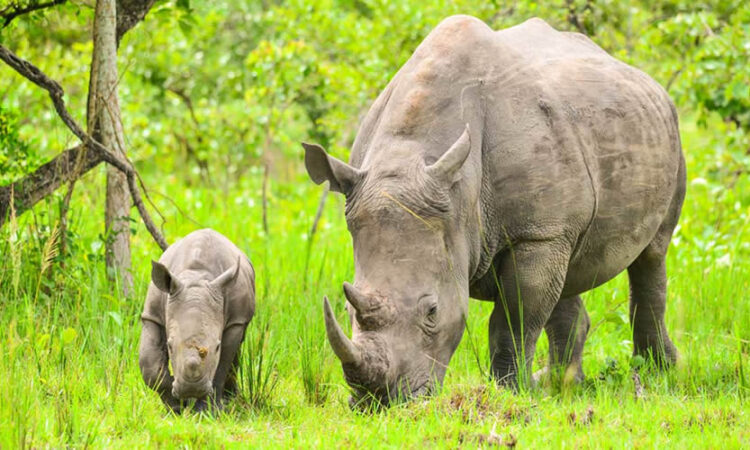
Inside the Rhino Fund Uganda: Protecting the Ziwa Population | Mandrill African Safaris
Introduction: A Conservation Miracle in the Heart of Uganda
Uganda, often celebrated for its mountain gorillas and sweeping savannahs, is also home to one of Africa’s most inspiring conservation success stories — the resurgence of rhinos through the efforts of Rhino Fund Uganda at the Ziwa Rhino Sanctuary. For decades, rhinos were locally extinct in this East African nation due to poaching and civil unrest. Today, thanks to dedicated organizations, community involvement, and sustainable tourism initiatives, these magnificent giants have returned, offering travelers on Uganda safaris an incredible chance to witness conservation in action.
Why Rhino Conservation Matters in Uganda
Rhinos are among the world’s most endangered large mammals. Historically, both Black Rhinos (Diceros bicornis michaeli) and Northern White Rhinos (Ceratotherium simum cottoni) roamed Uganda’s plains. However, by the early 1980s, they had vanished completely due to rampant poaching, political instability, and habitat destruction.
The disappearance of rhinos reduced biodiversity and erased an iconic species from Uganda’s ecological heritage. Bringing them back has been more than just an ecological priority — it’s a cultural and conservation imperative.
The Birth of Rhino Fund Uganda
Rhino Fund Uganda (RFU) was established with a deep commitment to restoring rhino populations within the country. The early steps of Rhino Fund Uganda were strategic and bold — importing a small founding group of southern white rhinos to a secure sanctuary where they could breed safely.
These were not just any rhinos:
-
Some came from Solio Ranch in Kenya, a well–established rhino breeding ground.
-
Others were gifted from partners as far as Disney’s Animal Kingdom in Florida, USA — underscoring the global support for Uganda’s conservation goals.
The sanctuary chosen for this ambitious work was the Ziwa Rhino Sanctuary in Nakasongola District, a region of expansive savannah and mixed habitats perfect for rhinos.
Ziwa Rhino Sanctuary: Uganda’s Rhino Stronghold
Covering about 70 square kilometers, the sanctuary is enclosed by a 2-meter-high electric fence that keeps rhinos safely within protected grounds while deterring poachers and other threats.
A Sanctuary Designed for Survival
The sanctuary serves multiple functions:
-
It is a secure breeding ground for rhinos.
-
It functions as a research hub for scientists and conservationists.
-
And it provides a unique educational platform for visitors to learn about rhino ecology and conservation challenges.
With steady management by Rhino Fund Uganda in partnership with the Uganda Wildlife Authority (UWA), the Ziwa Rhino Sanctuary has become a pivotal site for wildlife conservation — and a must–visit destination on many Uganda safari itineraries.
Rhino Protection Strategies at Ziwa
Conserving rhinos is not a passive exercise — it’s an active, 24/7 commitment that combines human vigilance, science, and community engagement.
1. Consistent Monitoring & Anti–Poaching Patrols
Security for rhinos at Ziwa is intense and vigilant. Teams of trained rangers patrol the sanctuary around the clock, monitoring rhino movements, tracking potential threats, and ensuring overall safety. This level of protection is vital, as rhino horns remain high–value targets on the illegal wildlife trade market.
The sanctuary’s advanced fencing system, combined with ranger patrols and monitoring, dramatically reduces poaching risks — creating one of Uganda’s most secure wildlife reserves.
2. Breeding Programs That Work
From an initial population of just six imported rhinos in 2005–2006, the program has grown impressively. As of mid–2025, there are nearly 48 southern white rhinos thriving at Ziwa, a testament to careful veterinary care, smart management, and just the right ecological conditions.
These rhinos range from mature adults to adolescents and calves — a multi–generational success story.
3. Data–Driven Decision Making
Every rhino sighting, birth, health check, and movement pattern is recorded meticulously. This data feeds into broader strategies aimed at expanding rhino habitats and preparing eventual reintroduction to larger protected areas across Uganda once it’s safe to do so.
Tourism & Conservation: A Winning Combination
One of the most exciting aspects of the Ziwa Rhino Sanctuary is how well it blends conservation with tourism — creating sustainable value for both wildlife and local communities.
Rhino Trekking Adventures
Visitors on Mandrill African Safaris have the rare chance to go on guided rhino trekking tours. These walks are conducted on foot with experienced guides and trained rangers, offering an intimate — and responsible — way to observe rhinos up close in their natural setting.
Unlike traditional safaris where rhinos might be seen from a distance, rhino trekking brings you into their world — safely, ethically, and respectfully. This experience is often cited as one of the most memorable highlights of any Uganda safari itinerary.
Why Rhino Trekking Is Special
-
Authentic Wilderness Experience: The rhinos roam on savannah grasslands and woodland edges, encountered in a natural context rather than in captive enclosures.
-
Insight from Local Guides: Rangers and conservation experts share stories about individual rhinos, rhino behaviour, and ongoing protection efforts.
-
Support for Conservation: A portion of trekking fees goes directly toward funding anti–poaching patrols, breeding activities, and community outreach programs.
Other Activities at Ziwa
Beyond rhino encounters, Ziwa offers:
-
Bird watching — with over 300 species, including rare birds.
-
Nature walks and wildlife viewing trails.
-
Educational tours focused on local ecosystems.
Community Empowerment Through Conservation
Sustainable conservation isn’t possible without community support — and Ziwa’s model recognizes this deeply.
Jobs and Local Involvement
Rhino Fund Uganda and its partners employ locals as guides, rangers, hospitality staff, and conservation workers. This not only provides livelihoods but also creates local stewardship of the sanctuary’s wildlife and land.
Education & Outreach
Schools and village programs near Ziwa focus on wildlife education, environmental stewardship, and alternative income sources like eco–tourism. By helping communities see wildlife as an asset, conservation becomes a shared priority.
Future Goals: Growth, Expansion, and Reintroduction
While the conservation journey at Ziwa has been triumphant, it is far from complete.
1. Expanding Rhino Habitats
Plans are underway — led by Uganda Wildlife Authority and Rhino Fund Uganda — to identify larger protected landscapes where rhinos can be safely reintroduced. These would ideally include areas like Ajai Wildlife Reserve and other regions historically part of rhino ranges.
2. Continued Population Growth
The sanctuary’s success in breeding rhinos means the population will continue to grow — creating opportunities to establish rhino populations in other parts of Uganda once security, habitat suitability, and community support are all in place.
3. Global Partnerships for Greater Impact
Rhino Fund Uganda actively collaborates with global conservation networks, research institutions, and donors who share the vision of restoring rhinos not just to Ziwa, but to Uganda’s wild spaces once again.
How Your Safari Makes a Difference
When you embark on a Mandrill African Safari that includes Ziwa Rhino Sanctuary, you’re doing more than enjoying a bucket–list experience — you’re directly contributing to conservation.
Your visit helps:
-
Fund anti–poaching patrols.
-
Support rhino care and breeding programs.
-
Empower local communities through jobs and education.
-
Promote ethical wildlife tourism that benefits people and wildlife alike.
This is wildlife travel with purpose — a chance to see majestic rhinos in Uganda and protect them for generations to come.
Conclusion: A Legacy Worth Protecting
The story of rhino conservation in Uganda — from local extinction to a thriving sanctuary population — is a powerful reminder that dedicated conservation, community collaboration, and sustainable tourism can reshape the future of endangered species. The work of Rhino Fund Uganda and partners has not only restored a species but has also created a living legacy that enriches Uganda’s natural heritage.
At Mandrill African Safaris, we’re proud to support and share this remarkable journey with travelers from around the world. Join a safari that goes beyond sightseeing — one that protects, uplifts, and inspires.
Plan Your Rhino Trekking Safari with Mandrill African Safaris
Ready to walk with rhinos and be part of real conservation? Contact us today to tailor a Ziwa Rhino Sanctuary safari experience that fits your travel dreams — and makes an impact.


