Tarangire National Park: Why Its Baobabs Make a Photographer’s Paradise
Discover why Tarangire National Park’s ancient baobabs make it a dream for photographers. Explore expert Tarangire photography tips, wildlife highlights, and the best times to capture the park’s magic.
Introduction
When you think of Tanzania’s famous safari destinations, the Serengeti and Ngorongoro Crater often take the spotlight. But for those who love capturing Africa’s untamed beauty through a camera lens, Tarangire National Park is a hidden treasure. Known for its towering baobab trees, dramatic landscapes, and abundant wildlife, this park is a dream come true for photography enthusiasts.
With the right approach, the baobabs of Tarangire—some centuries old—can become the perfect subject or backdrop for your safari photos. Whether you’re a professional photographer or a passionate hobbyist, our Tarangire photography tips will help you make the most of your experience.
Why Tarangire’s Baobabs Are So Photogenic
1. Majestic Size and Shape
Baobab trees are unlike any other tree in Africa. With their thick trunks, twisted branches, and enormous size, they create a striking subject for your photos. In Tarangire, some baobabs are over 1,000 years old, their gnarled bark and wide girth telling stories of centuries gone by.
2. Perfect for Sunrise and Sunset Shots
The silhouettes of baobabs against a golden sunrise or a fiery sunset are nothing short of magical. Tarangire’s open landscapes allow you to frame these giants without distraction, making them ideal for dramatic silhouette photography.
3. Wildlife Interaction
Baobabs aren’t just photogenic—they’re part of the ecosystem. Elephants often strip their bark for moisture, birds nest in their hollows, and monkeys play among their branches. These interactions add life and context to your images.
Wildlife Photography in a Baobab Wonderland
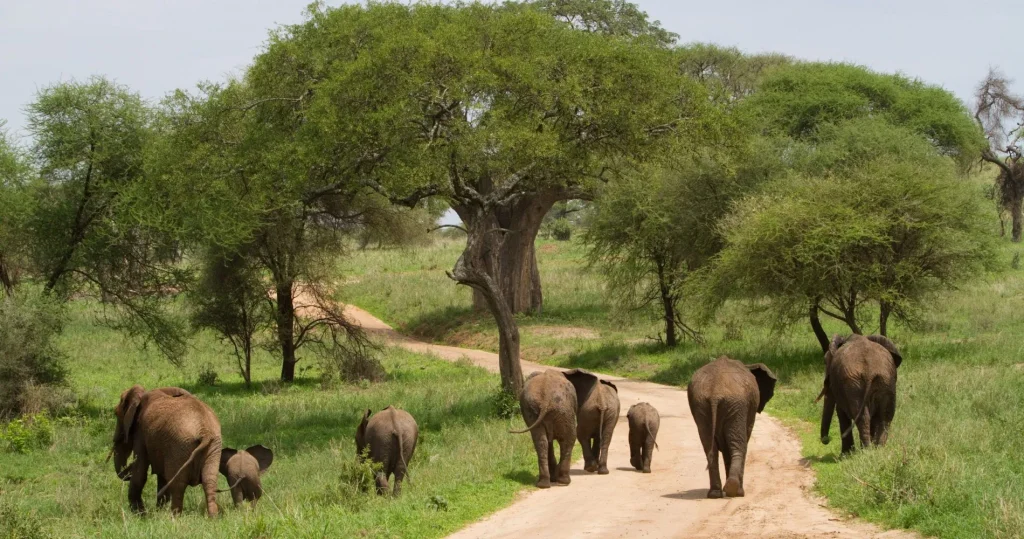
While baobabs may be the stars of the landscape, Tarangire also boasts one of the largest concentrations of elephants in East Africa. Add in wildebeest, zebras, giraffes, lions, leopards, and over 500 species of birds, and you have an endless array of photography opportunities.
The beauty of Tarangire is the mix of subjects—you can photograph an elephant herd under a baobab in the morning and a lilac-breasted roller perched on a branch in the afternoon.
Expert Tarangire Photography Tips
To truly capture the spirit of Tarangire, it’s important to be prepared—both technically and creatively.
1. Best Time for Photography
-
Dry Season (June–October): Wildlife congregates around the Tarangire River, making it easier to photograph elephants and other game near baobabs. The skies are often clear, giving you crisp light and visibility.
-
Wet Season (November–May): Lush green backdrops and dramatic storm clouds can add mood to your photos. Bird photography is exceptional during this period.
2. Golden Hour Magic
The first and last hours of sunlight are your best friends. During these times, the light is soft and warm, casting long shadows and highlighting the texture of baobab bark.
3. Use the Baobabs for Scale
Include people, vehicles, or animals in your composition to show just how massive the baobabs are. This adds perspective and depth to your images.
4. Silhouette Photography
For stunning silhouettes, position yourself so the baobab stands between you and the setting or rising sun. Reduce exposure to capture the tree’s outline against a colorful sky.
5. Wildlife Composition
Look for opportunities where wildlife and baobabs interact—an elephant grazing under a tree, giraffes feeding nearby, or a leopard resting in the shade.
6. Bring the Right Gear
-
Telephoto Lens (200–400mm): For close-ups of wildlife from a distance.
-
Wide-Angle Lens (16–35mm): For sweeping landscapes with baobabs in the foreground.
-
Tripod: Helpful for low-light conditions or long exposures at sunrise/sunset.
7. Play with Shadows and Patterns
The thick bark of baobabs has unique textures that pop beautifully with side lighting. Experiment with close-ups to capture these details.
Unique Baobab Photography Ideas
Night Sky Baobabs
If you’re staying in or near Tarangire overnight, try astrophotography. Baobabs make perfect foregrounds for Milky Way shots during clear, dry nights.
Seasonal Contrasts
Photograph the same baobab in the dry season and the wet season for a fascinating “before and after” comparison.
Drone Perspectives
If permitted, aerial shots can reveal the full majesty of Tarangire’s baobab-dotted plains. Just ensure you follow park regulations.
Practical Photography & Safari Tips
-
Patience Pays: Wait for the right light or the perfect animal interaction. Good safari photography is as much about patience as it is about skill.
-
Respect Wildlife: Never get too close or disturb animals for a shot. Ethical photography ensures both your safety and the well-being of the animals.
-
Work with a Knowledgeable Guide: At Mandrill African Safaris, our guides know the park’s best vantage points and understand lighting conditions, ensuring you’re in the right place at the right time.
Why Choose Mandrill African Safaris for Your Tarangire Photography Adventure
At Mandrill African Safaris, we understand that photographers have unique needs. That’s why we:
-
Plan game drives around the best lighting conditions.
-
Position our safari vehicles for optimal photographic angles.
-
Provide knowledgeable driver-guides who understand wildlife behavior.
-
Customize itineraries for both professional photographers and casual enthusiasts.
Whether you’re chasing the perfect baobab silhouette, tracking elephants in golden light, or capturing rare bird species, we make sure you leave Tarangire with images you’ll treasure forever.
Conclusion
Tarangire National Park is more than just a safari stop—it’s a living gallery of nature’s artistry, where baobabs stand as timeless sculptures against an ever-changing African sky. With the right approach, preparation, and guidance, you can capture the park’s magic in ways that tell stories for years to come.
If you’re ready to turn your lens toward Tanzania’s most photogenic park, Mandrill African Safaris is here to help you plan a customized Tarangire photography safari that delivers not just pictures, but unforgettable experiences.