Lake Manyara National Park: Tree-Climbing Lions and Birding Hotspots
Discover Lake Manyara National Park with Mandrill African Safaris – home to rare tree-climbing lions and a paradise for Lake Manyara birding enthusiasts.
Lake Manyara National Park is one of Tanzania’s most spectacular safari destinations, famous for two things: its rare tree-climbing lions and its incredible Lake Manyara birding opportunities. Nestled at the base of the Great Rift Valley escarpment, this park offers a unique blend of habitats — from lush groundwater forests to open savannahs and the shimmering soda lake itself.
For travelers with Mandrill African Safaris, a visit to Lake Manyara isn’t just another stop on the northern safari circuit — it’s a chance to witness a wildlife spectacle unlike any other.
Why Visit Lake Manyara National Park?
Though smaller than Tanzania’s other parks, Lake Manyara packs a lot into its 325 square kilometers. What makes it stand out is the diversity of landscapes and the surprising wildlife encounters at every turn. You can go from spotting elephants under giant fig trees to photographing flamingos feeding in shallow waters, all in a single game drive.
For birders, it’s a dream come true — over 400 recorded species make Lake Manyara a global birdwatching hotspot.
The Legendary Tree-Climbing Lions
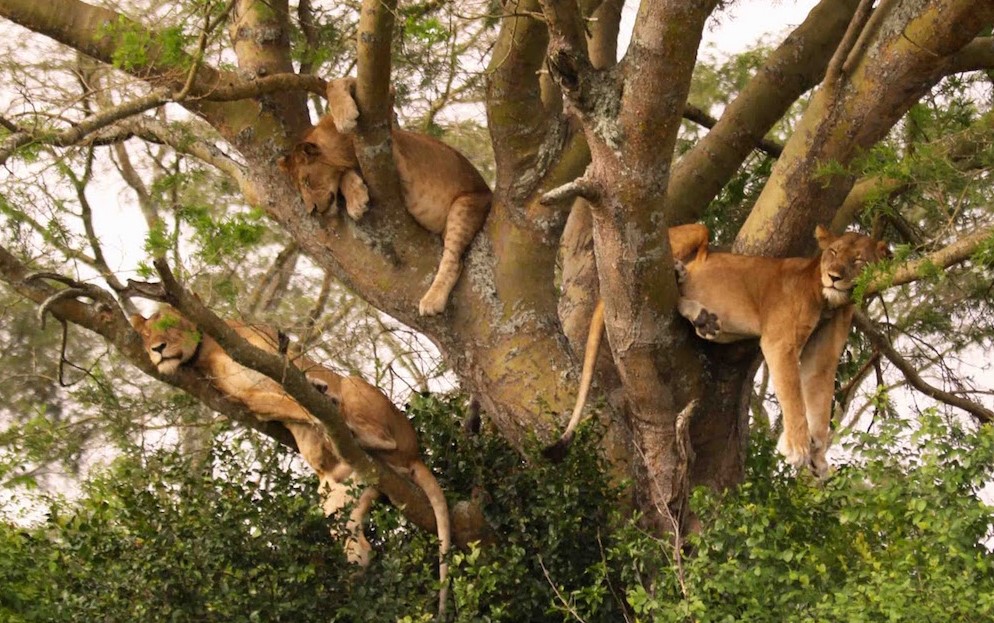
Most lions in Africa spend their time lounging on the ground, but the lions of Lake Manyara are different. Here, you’ll often find them draped across acacia branches, their golden coats blending with the dappled light.
Researchers believe this unusual behavior may help the lions:
-
Escape biting insects on the ground
-
Get a better vantage point for spotting prey
-
Stay cool in the shade during the midday heat
Seeing these big cats in trees is a highlight for many visitors. Mandrill African Safaris guides know the best areas of the park to spot these elusive climbers, increasing your chances of capturing that once-in-a-lifetime photograph.
Lake Manyara Birding: A Paradise for Birdwatchers
If birdwatching is your passion, Lake Manyara birding is in a league of its own. The alkaline lake attracts massive flocks of flamingos, pelicans, storks, and herons. Depending on the season, you could see tens of thousands of flamingos turning the water pink.
Other notable bird species include:
-
African Fish Eagle – Often seen swooping down to snatch fish from the water
-
Great White Pelican – Graceful in flight and abundant on the lake
-
Silvery-cheeked Hornbill – A striking resident of the forest areas
-
Crested Guinea Fowl – Easily spotted along the park’s tracks
-
Sacred Ibis – A common sight along the shoreline
Whether you’re a seasoned birder or just starting out, Lake Manyara offers a thrilling mix of resident and migratory species, making every visit unique.
Best Time for Lake Manyara Birding
Birding is excellent year-round, but the best time for Lake Manyara birding is November to June when migratory species join the resident population. During the wet season, the park is lush, the lake is full, and bird activity peaks.
If you’re after tree-climbing lions as well, the dry season (July to October) offers better wildlife visibility, as animals gather around shrinking water sources.
Other Wildlife Highlights
While tree-climbing lions and birds get the most attention, Lake Manyara National Park is also home to:
-
Large elephant herds – Known for their calm demeanor and impressive tusks
-
Giraffes – Gracefully moving through acacia woodlands
-
Buffalo – Often seen near the water’s edge
-
Hippos – Cooling off in the hippo pools near the lake
-
Baboons – Lake Manyara has one of the largest concentrations of baboons in Africa
The park’s mix of ecosystems ensures that every game drive is a surprise.
Unique Safari Experience with Mandrill African Safaris
When you explore Lake Manyara with Mandrill African Safaris, you get more than a standard game drive. Our guides are trained naturalists with a deep understanding of the park’s ecology and wildlife behavior. They know the hidden spots where lions rest, the best angles for bird photography, and the quiet corners where you can watch elephants undisturbed.
We offer:
-
Private 4×4 game drives with open-roof vehicles
-
Tailor-made itineraries combining Lake Manyara with Serengeti, Ngorongoro Crater, and Tarangire
-
Photography-focused tours for wildlife and bird lovers
-
Expert birding guides for dedicated birdwatching safaris
How to Get There
Lake Manyara National Park is located about 126 kilometers (78 miles) from Arusha — a drive of around 1.5 to 2 hours. This makes it an excellent first stop on a northern Tanzania safari. The park can also be accessed via light aircraft flights to the Lake Manyara Airstrip.
Safari Tips for Lake Manyara
To make the most of your visit:
-
Bring binoculars – Essential for birding and distant wildlife
-
Carry a camera with a zoom lens – Perfect for capturing lions in trees
-
Wear neutral-colored clothing – Helps you blend into the environment
-
Start early – Mornings offer the best wildlife viewing and cooler temperatures
-
Stay hydrated – Especially during the dry season
Suggested Itineraries
Here are two sample itineraries with Mandrill African Safaris:
1-Day Lake Manyara Birding & Wildlife Tour
-
Morning: Early game drive focusing on tree-climbing lions
-
Midday: Birdwatching along the lake shore
-
Afternoon: Picnic lunch in the park and return to Arusha
5-Day Northern Circuit Safari
-
Day 1: Lake Manyara (wildlife & birding)
-
Day 2–3: Serengeti National Park
-
Day 4: Ngorongoro Crater
-
Day 5: Tarangire National Park
Conservation and Community
Lake Manyara is part of Tanzania’s protected areas network, but it faces challenges such as habitat loss and climate change. Mandrill African Safaris supports community-based tourism initiatives, ensuring that local people benefit from conservation efforts. By visiting the park, you help fund anti-poaching patrols and wildlife research programs.
Final Thoughts
Lake Manyara National Park may be smaller than Serengeti or Ngorongoro, but it offers a safari experience that’s just as rewarding — especially if you’re into Lake Manyara birding or want to see the world-famous tree-climbing lions. With its breathtaking landscapes, rich wildlife diversity, and convenient location, it’s the perfect destination to include in your Tanzanian adventure.
With Mandrill African Safaris, your Lake Manyara experience becomes more than just a visit — it’s an unforgettable encounter with nature’s wonders.