

What to Expect on a Gorilla Trek in Bwindi Forest, Uganda
2025-11-18
How Difficult Is Gorilla Trekking in Bwindi?
2025-11-20- Bwindi Community Conservation
- Bwindi Conservation Tourism
- Bwindi Environmental Projects
- Eco-Safaris Uganda
- Forest Restoration East Africa
- Mandrill African Safaris Conservation
- Mountain Gorilla Habitat Restoration
- Protect Bwindi Gorillas
- Reforestation in Bwindi Impenetrable National Park
- Restoring Nature in Bwindi Forest
- Sustainable Travel Uganda
- Uganda Biodiversity Conservation
- Uganda Eco-Tourism
- Uganda Wildlife Protection
- Wildlife Corridors Uganda
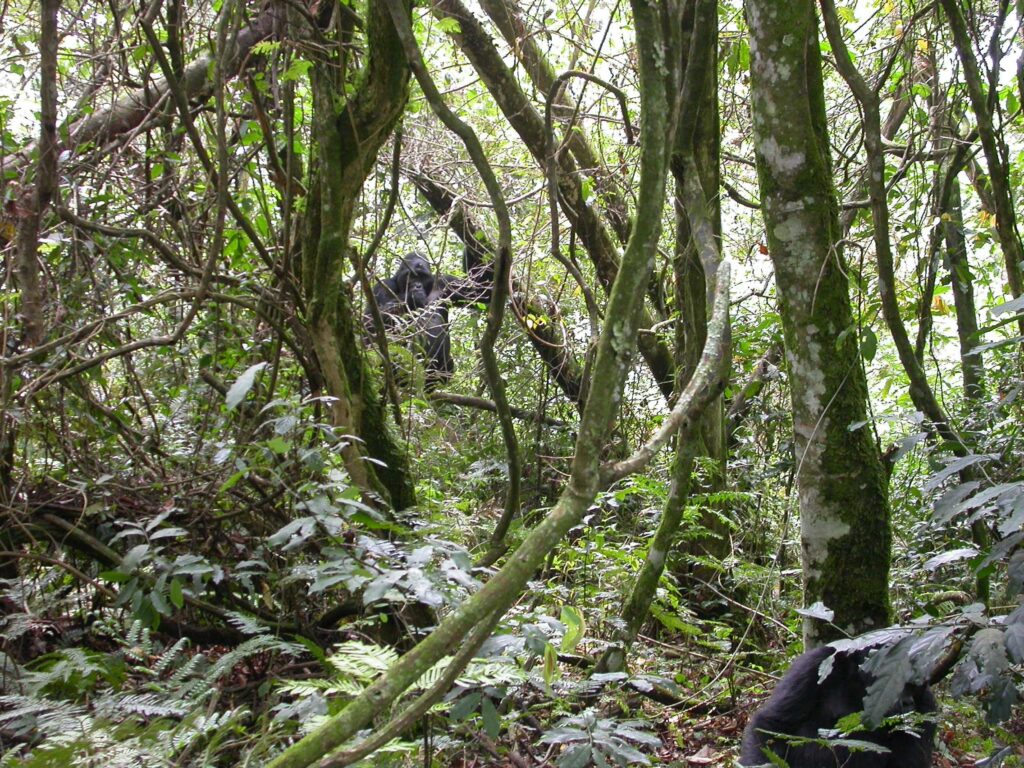
Reforestation and Wildlife Corridors in Bwindi Impenetrable National Park: Restoring Nature, Protecting Wildlife
Bwindi Impenetrable National Park (BINP) in southwestern Uganda is one of Africa’s most celebrated conservation landscapes. Known worldwide for its endangered mountain gorillas, rich biodiversity, ancient rainforest, and unique tribal heritage, Bwindi is a global conservation hotspot. Yet despite its ecological value, the forest has long faced pressures from habitat loss, agricultural expansion, and human–wildlife conflict.
Today, reforestation efforts and wildlife corridors in Bwindi Impenetrable National Park are transforming this once-threatened ecosystem into a thriving conservation success story. In this article, Mandrill African Safaris explores how these ecological restoration programs are improving wildlife movement, promoting sustainable tourism, and enhancing community livelihoods—all while protecting Uganda’s natural heritage.
Why Reforestation Matters in Bwindi
Reforestation is one of the most powerful tools for restoring degraded forest ecosystems. In Bwindi, reforestation isn’t just about planting trees; it’s about rebuilding entire ecological systems that support mountain gorillas, chimpanzees, forest elephants, birds, and countless endemic species.
1. Restoring Gorilla Habitat
Mountain gorillas rely on thick vegetation, continuous forest cover, and rich food sources. When forest areas are cleared for farming or settlement, gorillas lose feeding and nesting grounds. Reforestation in Bwindi helps rebuild these lost habitats, allowing gorilla families to thrive without venturing outside the forest where human–wildlife conflict often occurs.
2. Preventing Soil Erosion and Landslides
The steep slopes surrounding Bwindi are highly vulnerable to soil erosion. By planting indigenous tree species—such as mahogany, fig trees, and Prunus africana—reforestation projects help stabilize the soil and prevent destructive landslides, especially during heavy rains.
3. Increasing Carbon Sequestration
Bwindi’s rainforest is a major carbon sink. Reforestation enlarges these carbon-capturing zones, contributing to climate change mitigation efforts and supporting Uganda’s climate resilience targets.
The Role of Wildlife Corridors in Bwindi
Wildlife corridors are natural or restored pathways that connect fragmented habitats. In Bwindi Impenetrable National Park, these corridors play a crucial role in maintaining ecological balance.
1. Enhancing Animal Movement and Genetic Diversity
When forest patches are disconnected, wildlife populations become isolated, which increases inbreeding and reduces species resilience. Corridors linking Bwindi to areas such as the Sarambwe Reserve in DR Congo, Queen Elizabeth National Park, and community-led forest patches enable animals to migrate safely.
This movement is essential for the survival of species like:
-
Mountain gorillas
-
L’Hoest’s monkeys
-
Black-and-white colobus
-
Forest elephants
-
Rare birds such as the African green broadbill
2. Reducing Human–Wildlife Conflict
When wildlife lacks safe movement routes, they may enter farmlands in search of food. Corridors help guide animals away from human settlements, reducing crop raiding, property damage, and safety concerns.
3. Supporting Climate Adaptation
As temperatures rise and rainfall patterns shift, animals must move to find suitable habitats. Corridors ensure species can adapt by expanding their ranges without obstacles.
Community Involvement in Reforestation and Conservation
One of the reasons conservation succeeds in Bwindi is the active participation of local communities. Much of the land surrounding the park belongs to villagers, and any long-term reforestation strategy must work hand-in-hand with community livelihoods.
1. Community Tree Nurseries
Local communities raise seedlings of native tree species used in reforestation programs. These nurseries:
-
Create employment
-
Improve household incomes
-
Supply trees for community woodlots
-
Support habitat restoration within the park
2. Collaborative Forest Management (CFM)
Through CFM agreements, villagers gain regulated access to forest resources—such as medicinal plants, firewood, and craft materials—in exchange for participating in conservation activities.
This model builds strong partnerships and reduces illegal resource extraction.
3. Conservation Education Programs
Non-profit organizations and Uganda Wildlife Authority (UWA) conduct training on:
-
Sustainable land use
-
Agroforestry
-
Beekeeping
-
Eco-tourism enterprises
These programs help reduce pressure on the forest while improving community livelihoods.
Eco-Tourism and Reforestation: How Travelers Help Protect Bwindi
Tourism is the backbone of conservation in Bwindi. When visitors choose responsible travel companies like Mandrill African Safaris, they directly support reforestation and wildlife corridors.
Your Gorilla Trek Helps Restore Forests
A portion of revenue from gorilla trekking permits is reinvested into:
-
Habitat restoration
-
Anti-poaching patrols
-
Community development
-
Corridor protection
This means every gorilla trek contributes to safeguarding mountain gorillas for future generations.
Tourist-Driven Tree Planting Initiatives
Many tours now include optional tree-planting activities where travelers help plant indigenous species. This personal involvement makes tourism more meaningful and environmentally impactful.
Eco-Lodges Supporting Conservation
Several Bwindi lodges operate using:
-
Solar energy
-
Rainwater harvesting
-
Organic gardens
-
Reforestation programs on their properties
Mandrill African Safaris partners with such eco-lodges, ensuring your visit supports the region’s sustainability goals.
Key Reforestation and Corridor Projects in the Region
Several ongoing projects are changing Bwindi’s ecological landscape:
1. Bwindi Reforestation Project
Focused on restoring degraded buffer zones, this project plants thousands of trees annually to expand wildlife habitat and reconnect forest fragments.
2. Bwindi–Sarambwe Transboundary Corridor
This cross-border initiative enhances cooperation between Uganda and DR Congo to ensure gorillas and other wildlife move safely between protected areas.
3. Community Agroforestry Projects
These integrate sustainable agriculture with tree planting, improving soil fertility while reducing the need to clear new land.
Why Reforestation and Corridors Matter for Future Generations
At the heart of Bwindi’s conservation story is the principle of coexistence—humans and wildlife sharing the land responsibly. Reforestation and wildlife corridors offer a long-term solution to the challenges of habitat fragmentation and climate change.
They ensure:
-
Mountain gorillas have secure, thriving habitats
-
Local communities benefit economically from conservation
-
Uganda remains a global leader in eco-tourism
-
Future generations experience intact tropical forests
Plan Your Eco-Friendly Bwindi Safari with Mandrill African Safaris
If you want a safari that supports nature and empowers local communities, Bwindi is the place to be. At Mandrill African Safaris, we specialize in eco-friendly gorilla trekking tours, nature walks, cultural experiences, and conservation-led adventures across Uganda and Rwanda.
Our expert guides, responsible travel principles, and community partnerships ensure your safari leaves a positive footprint on the environment


