How Difficult Is Gorilla Trekking in Bwindi? A Complete Guide for First-Time Trekkers
Gorilla trekking in Uganda is one of the world’s most extraordinary wildlife experiences, attracting thousands of adventure lovers every year. The heart of this remarkable adventure lies in Bwindi Impenetrable National Park, a UNESCO World Heritage Site and home to nearly half of the world’s remaining mountain gorillas. But one question many travelers ask before booking a Uganda gorilla safari is: How difficult is gorilla trekking in Bwindi?
Mandrill African Safaris has guided countless visitors through Bwindi’s dense rainforest, and in this guide, we explain everything you need to know about the trek’s difficulty, fitness requirements, trail conditions, and useful tips to help you prepare for a successful gorilla encounter.
Understanding the Terrain of Bwindi Impenetrable National Park
The difficulty of gorilla trekking in Bwindi largely depends on the park’s unique terrain. Bwindi is not called “Impenetrable” by accident. It is a rugged, mountainous, heavily forested landscape with thick vegetation and steep slopes.
Key terrain features affecting trekking difficulty:
-
Steep hills and valleys: Treks may involve climbing or descending slopes that can be physically demanding.
-
Thick vegetation: The dense forest sometimes requires rangers to use machetes to clear paths.
-
Altitude: Parts of Bwindi reach elevations of up to 2,600 meters above sea level, which may affect breathing for some trekkers.
-
Remote gorilla families: Some gorilla groups are farther deep into the forest, making tracking longer and more challenging.
Despite this, thousands of people of all ages—including seniors—successfully complete the trek every year.
How Long Does a Gorilla Trek Take?
The length of the trek is one of the biggest factors in determining difficulty. In Bwindi, gorilla trekking can last:
-
30 minutes to 1 hour for gorilla groups located near the trailhead
-
2 to 4 hours on average for most visitors
-
Up to 6 hours or more for groups that move deeper into the forest
Because gorillas constantly move in search of food, every trek is different. Mandrill African Safaris works closely with Uganda Wildlife Authority trackers to monitor gorilla locations each morning, helping ensure visitors take the easiest and most efficient routes available.
How Physically Demanding Is Gorilla Trekking?
Moderate to Challenging
Overall, gorilla trekking in Bwindi is considered moderately difficult. However, the experience varies depending on a few personal and environmental factors.
1. Your Physical Fitness Level
You don’t need to be an athlete, but a reasonable level of fitness helps. Travelers used to moderate hiking will find the trek manageable.
2. Weather Conditions
Bwindi is a rainforest, meaning the ground can be slippery, muddy, and wet—especially during rainy seasons.
3. The Gorilla Group You Track
Some gorilla families live closer to the park entrance, while others inhabit higher or more remote areas.
4. Your Pace and Trekking Team
Rangers set a pace suitable for the slowest trekker. You will not be left behind, and support staff help throughout the trek.
Mandrill African Safaris ensures trekkers are grouped according to fitness levels and preferences whenever possible.
How Old Do You Need to Be? Is it Suitable for Seniors?
Gorilla trekking in Uganda is allowed for visitors aged 15 and above. Many seniors—even those in their 60s and 70s—complete the trek successfully.
Helpful options for seniors:
-
Hiring a porter to help carry bags and offer support
-
Opting for easier gorilla families located closer to the trailhead
-
Booking the Buhoma or Ruhija sector, which has more accessible terrain
Mandrill African Safaris always supports older or less fit travelers by choosing the most suitable trekking sector and ensuring personalized attention.
How to Prepare Physically for Gorilla Trekking
If you’re concerned about the trek’s difficulty, preparing ahead of time can make a huge difference.
Recommended preparations:
-
Start brisk walking or hiking regularly
-
Practice walking on hilly or uneven terrain
-
Build leg strength through exercises like squats or stair climbing
-
Improve cardiovascular fitness with light jogging or cycling
-
Pack light and carry only essentials
Even a few weeks of preparation can make the trek more enjoyable.
Best Time to Trek Gorillas in Bwindi
The difficulty of gorilla trekking also depends on the season. Uganda has two main dry and rainy periods:
Dry Seasons (Best Time to Trek)
-
June–August
-
December–February
During dry seasons:
Rainy Seasons
-
March–May
-
September–November
During rainy periods:
Mandrill African Safaris recommends booking during the dry season for the easiest trekking conditions.
Essential Gear That Makes the Trek Easier
Packing the right gear reduces the difficulty of the trek significantly.
Must-have trekking items:
-
Waterproof hiking boots with good grip
-
Rain jacket or poncho
-
Long trousers (to protect from nettles)
-
Hiking gloves for grabbing vegetation
-
Walking stick (provided at the starting point)
-
Snacks and drinking water
-
Long-sleeved shirts
-
Insect repellent
Mandrill African Safaris provides a detailed packing list to ensure you are fully prepared for the experience.
Do Porters Make the Trek Easier?
Absolutely. One of the best ways to reduce the difficulty of gorilla trekking is by hiring a porter.
What porters do:
-
Carry your backpack
-
Offer support when climbing or descending
-
Help you navigate slippery terrain
-
Provide balance during steep sections
Hiring a porter not only makes the trek easier but also supports the local community.
Is Gorilla Trekking Safe?
Yes, trekking in Bwindi is safe and well-managed by the Uganda Wildlife Authority. You will be accompanied by trained rangers and guides who ensure your safety throughout the trek.
Mountain gorillas are gentle and habituated to human presence. Visitors must maintain a safe distance of 7 meters and follow all guidelines.
Final Verdict: How Difficult Is Gorilla Trekking in Bwindi?
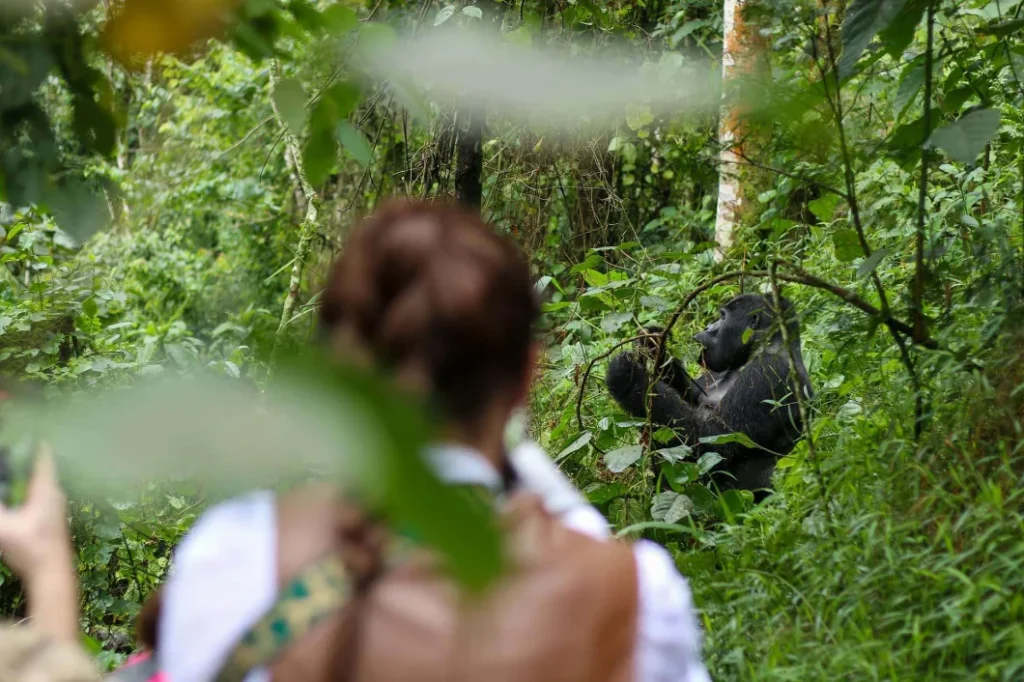
Gorilla trekking in Bwindi is moderately challenging, but with proper preparation, the right gear, and support from experienced guides, it is achievable for most travelers. The trek requires some physical effort, but the reward—standing just meters away from a family of majestic mountain gorillas—is truly unforgettable.
For a well-planned and comfortable gorilla trekking experience, Mandrill African Safaris provides expert guidance, personalized safari itineraries, and full logistical support. Whether you’re a seasoned hiker or a first-time adventurer, Bwindi’s gorillas are waiting to meet you.