

What Can You Learn from a Batwa Cultural Experience?
2025-09-24
Why is Kibale National Park Called the Primate Capital of the World?
2025-09-24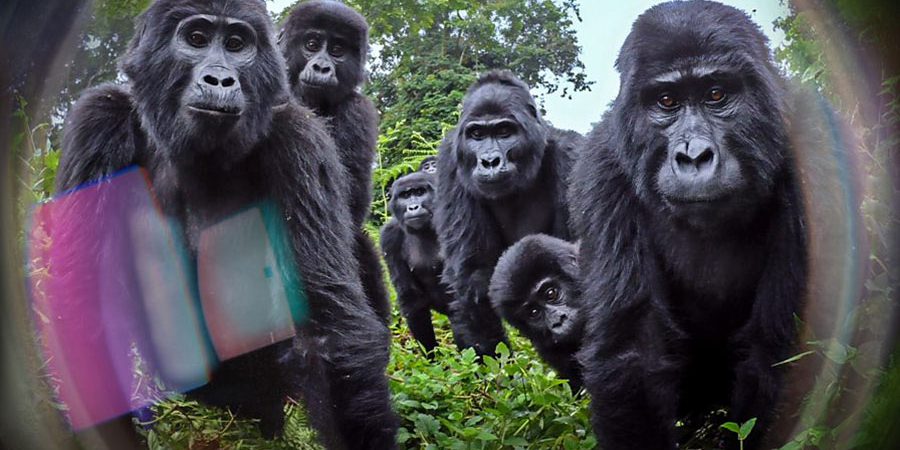
How Do Local Communities Benefit from Gorilla Tourism?
Introduction
Gorilla tourism in Uganda and Rwanda is one of Africa’s most remarkable conservation success stories. Every year, thousands of travelers journey to Bwindi Impenetrable National Park, Mgahinga Gorilla National Park, and Volcanoes National Park to experience the life-changing adventure of gorilla trekking. While much attention is placed on the thrill of encountering mountain gorillas in their natural habitat, the often-overlooked story is how local communities benefit from gorilla tourism.
For Mandrill African Safaris, responsible tourism means ensuring that gorilla trekking not only supports wildlife conservation but also improves the lives of the people who live around these national parks.
1. Revenue Sharing Programs
One of the most direct benefits of gorilla tourism is the revenue sharing policy. A percentage of the money collected from gorilla trekking permits is allocated to surrounding communities.
-
In Uganda, 20% of park entry fees and $10 from every gorilla trekking permit goes back to local community projects.
-
In Rwanda, 10% of revenue from gorilla trekking is directed to community development initiatives.
These funds have been used to build schools, health centers, clean water systems, and roads, ensuring that gorilla tourism translates into tangible benefits for local people.
2. Employment Opportunities
Gorilla tourism creates thousands of jobs for locals. Community members are employed as:
-
Porters, helping visitors carry bags and navigate the steep terrain.
-
Guides and rangers, who are trained to track gorillas and ensure visitor safety.
-
Lodge staff, working as chefs, waiters, housekeepers, and receptionists.
-
Craft makers and entertainers, selling souvenirs and performing cultural dances for tourists.
By providing alternative sources of income, these opportunities reduce reliance on activities like poaching and deforestation, which threaten gorilla habitats.
3. Empowering Women and Youth
Gorilla tourism has opened doors for women and young people in communities around Bwindi, Mgahinga, and Volcanoes National Parks. Many women’s groups engage in handicrafts, weaving baskets, and producing traditional fabrics sold to visitors. Youth-led initiatives, such as community tours and cultural performances, also thrive because of the influx of tourists.
For example, the Ride 4 a Woman project in Bwindi empowers women through tourism-related skills like sewing, weaving, and guiding. These initiatives give women financial independence and reduce poverty levels in their households.
4. Supporting Education
Revenue from gorilla trekking has funded the construction of schools and scholarships for children in local communities. Families who once could not afford to educate their children now have opportunities to send them to school.
Tourists also contribute directly by sponsoring students or donating school supplies during their safari. This long-term investment in education ensures that the next generation benefits from gorilla tourism both economically and socially.
5. Improved Healthcare Services
Communities around gorilla parks have historically struggled with limited access to healthcare. Thanks to gorilla tourism, funds have been invested in building health centers and providing better medical services.
For instance, in Bwindi, gorilla permit revenues helped establish health units that serve both locals and tourists. This ensures that communities enjoy improved healthcare and also boosts medical services for visiting travelers.
6. Infrastructure Development
Tourism revenue has led to the construction of better roads, clean water sources, and electricity supply in remote areas around gorilla parks. Improved infrastructure not only benefits visitors but also enhances the quality of life for locals. Farmers can now transport produce to markets more easily, and communities have better access to essential services.
7. Cultural Preservation and Exchange
Gorilla tourism has created opportunities for communities to showcase their cultural heritage. Tourists visiting gorilla parks often engage in community walks, traditional dance performances, and cultural storytelling experiences.
These interactions help preserve traditions while generating income for cultural groups. At the same time, they foster cross-cultural understanding, allowing locals and visitors to learn from one another.
8. Conservation Incentives
One of the biggest benefits of gorilla tourism is that it provides a strong economic incentive for conservation. When communities see the financial benefits of protecting gorillas and their habitats, they become active partners in conservation.
Former poachers have been rehabilitated and now work as community scouts, porters, or guides. By aligning community welfare with gorilla protection, tourism reduces threats such as poaching, logging, and land encroachment.
9. Community-Based Tourism Initiatives
Beyond gorilla trekking, many communities have developed community-based tourism (CBT) projects. These include village tours, home stays, handicraft shops, and cultural centers that tourists can visit before or after their trek.
For example:
-
The Batwa Cultural Experience in Bwindi allows visitors to learn about the traditions of the indigenous Batwa people.
-
Community trails and guided walks provide authentic rural experiences while diversifying income sources for locals.
10. Sustainable Livelihoods
Gorilla tourism has introduced alternative livelihoods that are environmentally friendly and sustainable. Communities engage in beekeeping, tree planting, organic farming, and eco-tourism enterprises that thrive because of the demand created by tourists.
By diversifying income streams, local families are less dependent on exploiting forest resources, ensuring both conservation and community resilience.
Why Support Gorilla Tourism with Mandrill African Safaris?
At Mandrill African Safaris, we believe that responsible tourism is the key to long-term conservation and community development. When you book a gorilla trekking safari in Uganda or Rwanda with us, you are not only experiencing one of the world’s most unforgettable wildlife encounters but also directly supporting local communities.
By choosing us, you contribute to:
-
Community development projects funded by gorilla permit revenues.
-
Employment opportunities for local guides, porters, and artisans.
-
Conservation programs that protect mountain gorillas for future generations.
Conclusion
Gorilla tourism is more than an adventure—it is a lifeline for communities living around Bwindi, Mgahinga, and Volcanoes National Parks. From revenue sharing and education to healthcare, infrastructure, and cultural preservation, the benefits of gorilla tourism ripple through every aspect of community life.
When travelers choose responsible operators like Mandrill African Safaris, they ensure that their visit leaves a lasting positive impact. By supporting gorilla tourism, you are not only protecting endangered mountain gorillas but also empowering the people who share their home with these gentle giants.


