What Can You Learn from a Batwa Cultural Experience?
Introduction
Uganda’s Bwindi Impenetrable National Park and Mgahinga Gorilla National Park are world-renowned for gorilla trekking. Yet, beyond the misty forests and endangered mountain gorillas, there is a treasure trove of culture waiting to be discovered—the Batwa cultural experience. The Batwa, often referred to as the “Keepers of the Forest,” are one of Uganda’s oldest indigenous communities. Spending time with them offers more than just a cultural tour; it is a journey into history, resilience, and ancient traditions that have survived for centuries.
At Mandrill African Safaris, we believe that a safari in Uganda is incomplete without immersing yourself in local culture. Here’s what you can learn from a Batwa cultural experience and why it should be on your Uganda safari itinerary.
1. A Glimpse into Ancient Forest Life
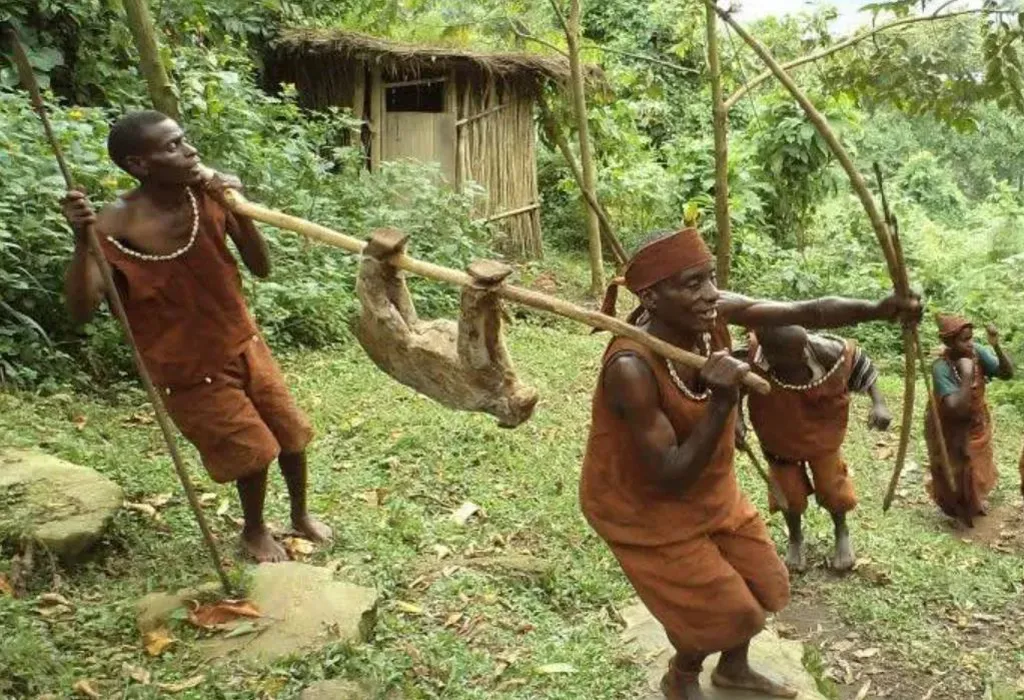
Before the establishment of Uganda’s national parks, the Batwa lived as hunter-gatherers in the dense forests of Bwindi and Mgahinga. During a Batwa cultural visit, you’ll learn how they:
-
Hunted small animals using bows, arrows, and traps.
-
Gathered wild fruits, honey, and medicinal plants.
-
Built grass-thatched huts using natural materials.
This firsthand storytelling and demonstration connect you with a way of life that existed long before modern conservation and tourism. It is a rare chance to see how humans once lived in harmony with the forest.
2. Traditional Medicine and Healing Practices
The Batwa’s deep knowledge of the forest is one of their most fascinating legacies. They know which plants can:
On your cultural experience, a Batwa guide will take you through the forest, pointing out different herbs and explaining their uses. This not only highlights their intelligence and resourcefulness but also emphasizes the importance of indigenous knowledge in conservation and modern medicine.
3. The Role of Music, Dance, and Storytelling
The Batwa use music and dance not only for entertainment but also for passing down values, beliefs, and history. During your experience, you will be welcomed with:
-
Energetic dances symbolizing hunting victories and celebrations.
-
Traditional songs narrating legends, battles, and spiritual beliefs.
-
Storytelling sessions that explain the mysteries of the forest and their cultural heritage.
These performances are more than just shows—they are windows into the Batwa’s identity and resilience as a people.
4. Lessons on Resilience and Adaptation
One of the most powerful lessons from the Batwa experience is resilience. When Bwindi and Mgahinga were gazetted as national parks, the Batwa were displaced from their ancestral lands. They had to adapt from a hunter-gatherer lifestyle to living in new communities.
By interacting with them, you’ll learn how they have fought to preserve their cultural identity despite challenges. This resilience is an inspiring lesson for travelers who value cultural preservation and human adaptability.
5. Spiritual Connection with Nature
For the Batwa, the forest was more than just a home—it was sacred. They believed in forest spirits and conducted rituals in caves, rivers, and sacred trees. When you visit their traditional sites, you learn how spirituality guided their daily life and shaped their relationship with nature.
This perspective teaches us the importance of respecting the environment and living sustainably—values that align perfectly with modern conservation efforts.
6. The Value of Cultural Preservation
The Batwa cultural experience is also a lesson in cultural preservation. By supporting this initiative, you:
-
Help empower the Batwa community economically.
-
Contribute to the safeguarding of their traditions.
-
Promote inclusive tourism that values both nature and people.
Every dance you watch, story you hear, and interaction you have contributes to the survival of Batwa heritage for future generations.
7. Hands-On Skills and Daily Life
Another highlight of the Batwa cultural tour is learning practical skills:
-
How to make fire without matches.
-
Weaving baskets from natural fibers.
-
Crafting hunting tools from stone and wood.
Trying out these activities gives travelers a sense of appreciation for the resourcefulness and survival skills of the Batwa. It’s an engaging, hands-on way to connect with history.
8. Responsible Tourism and Giving Back
A Batwa cultural experience is not just about learning; it’s about responsible tourism. When you book through Mandrill African Safaris, part of your contribution goes directly to community projects, including:
This ensures that your visit makes a meaningful difference.
Why Add a Batwa Cultural Experience to Your Uganda Safari?
While gorilla trekking is undoubtedly the highlight of any Uganda safari, the Batwa cultural experience adds depth to your journey. It transforms your trip from just wildlife viewing to a holistic safari adventure that blends nature, culture, and humanity.
At Mandrill African Safaris, we tailor itineraries that combine gorilla trekking in Bwindi or Mgahinga with a Batwa cultural encounter. This unique combination allows you to see the forest through two lenses—the wildlife conservation perspective and the indigenous heritage perspective.
Conclusion
A Batwa cultural experience is more than a tour; it is a classroom without walls. From forest survival skills and herbal medicine to music, dance, and resilience, the Batwa offer travelers invaluable lessons about life, nature, and community.
By including this cultural journey in your Uganda safari with Mandrill African Safaris, you don’t just explore a destination—you connect with its soul. You walk away with stories, lessons, and memories that will stay with you forever.
So, next time you plan your gorilla trekking safari in Bwindi or Mgahinga, remember to add the Batwa cultural experience to your itinerary. It is a once-in-a-lifetime opportunity to learn, engage, and give back.