

Best Time for Tanzania Safari: Discover Africa’s Wild Heart
2025-10-27
7 Days East Africa Safari Package: Discover Africa’s Wild Beauty
2025-10-28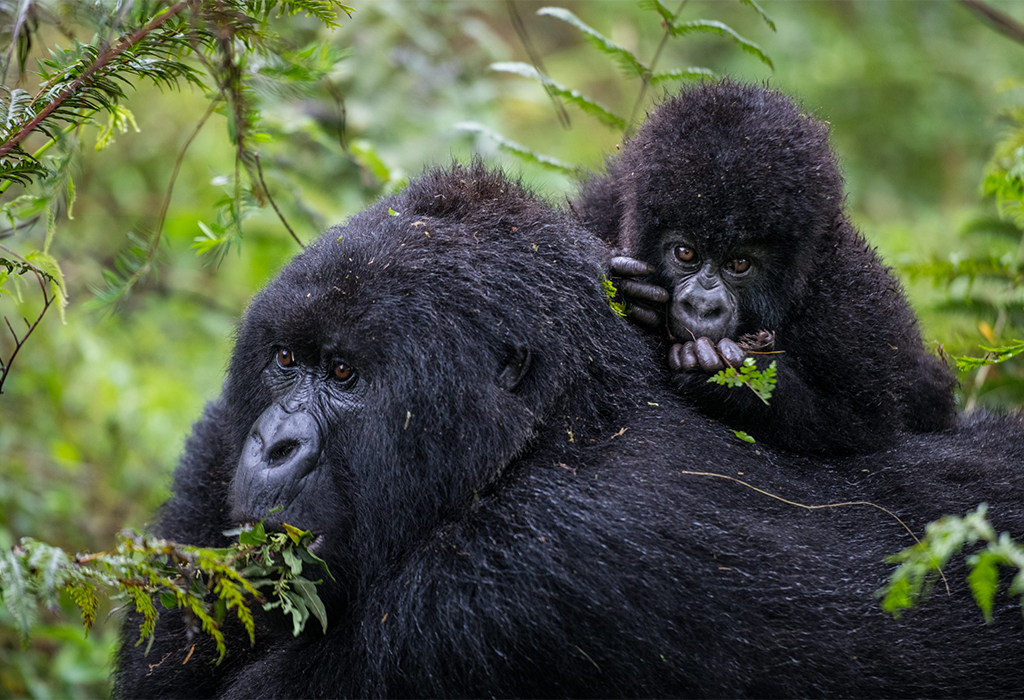
Gorilla Trekking and Wildlife Migration: Africa’s Most Iconic Safari Experiences
Experience the ultimate African adventure with Mandrill African Safaris — combine thrilling gorilla trekking in Uganda or Rwanda with the awe-inspiring Great Wildebeest Migration in Kenya and Tanzania. Discover when to go, what to expect, and how to plan your dream safari.
Introduction: Two of Africa’s Greatest Natural Wonders
Africa’s wilderness offers endless adventures, but few experiences compare to gorilla trekking in the misty mountains and witnessing the Great Wildebeest Migration on the open plains. Both encounters reveal nature’s raw power, beauty, and rhythm — one taking you deep into lush rainforests among mountain gorillas, and the other across vast savannas filled with thundering herds and prowling predators.
At Mandrill African Safaris, we specialize in customized safari itineraries that seamlessly blend both experiences — allowing travelers to track gorillas in Uganda’s Bwindi Impenetrable National Park or Rwanda’s Volcanoes National Park, then follow the migration in Tanzania’s Serengeti or Kenya’s Masai Mara.
If you dream of connecting with Africa’s wildest heart, this guide will show you how to plan a Gorilla Trekking and Wildlife Migration Safari — the best times to visit, where to go, and what to expect.
Gorilla Trekking: Meeting the Gentle Giants of Africa
1. Where to Go for Gorilla Trekking
The mountain gorillas live only in the dense, mist-shrouded forests of Uganda, Rwanda, and the Democratic Republic of Congo. The safest and most rewarding destinations are:
Bwindi Impenetrable National Park (Uganda) – Home to almost half of the world’s remaining mountain gorillas, Bwindi offers 20+ habituated gorilla families.
Mgahinga Gorilla National Park (Uganda) – A smaller, scenic park where you can trek the Nyakagezi gorilla family amid volcanic peaks.
Volcanoes National Park (Rwanda) – Famous for its accessibility and shorter treks, this park was made legendary by primatologist Dian Fossey.
Mandrill African Safaris arranges gorilla trekking permits, lodge bookings, transportation, and expert guides to make your journey seamless and memorable.
2. The Gorilla Trekking Experience
Your trek begins early in the morning after a briefing from park rangers. You’ll hike through thick jungle terrain, crossing rivers and climbing ridges, guided by experienced trackers who follow fresh gorilla traces.
When you finally encounter a gorilla family — watching the silverback’s calm strength, the playful infants, and the gentle mothers — it’s a profoundly emotional moment.
You’re allowed one precious hour with the gorillas, observing them feed, groom, and interact. This hour becomes one of the most transformative wildlife encounters on Earth.
3. Best Time for Gorilla Trekking
Gorilla trekking is possible year-round, but the dry seasons offer the best conditions:
June to September
December to February
During these months, forest trails are less slippery, and visibility is better. Mandrill African Safaris helps secure your gorilla trekking permits in advance, as they sell out fast during peak seasons.
4. Gorilla Trekking Tips
Fitness: Be prepared for moderate to strenuous hiking.
Gear: Carry hiking boots, gloves, waterproof clothing, and a walking stick.
Photography: No flash allowed; bring a good zoom lens.
Respect Wildlife: Keep a safe distance (7 meters minimum) and follow ranger instructions.
Mandrill African Safaris provides a full pre-trek briefing and packing checklist to ensure you’re well-prepared.
The Great Wildebeest Migration: Nature’s Greatest Show
1. What Is the Great Migration?
Every year, over 1.5 million wildebeest, 250,000 zebras, and thousands of gazelles move in a massive circular journey across the Serengeti (Tanzania) and Masai Mara (Kenya) ecosystems in search of fresh grazing and water.
This endless movement, driven by survival and instinct, is often called “The Greatest Wildlife Show on Earth.” Predators — lions, cheetahs, hyenas, and crocodiles — follow closely, creating dramatic scenes of life and death that define Africa’s wild beauty.
2. Migration Calendar: Where and When to Go
The migration follows a predictable annual cycle:
| Month | Location | Highlight |
|---|---|---|
| December–March | Southern Serengeti (Ndutu) | Calving season — baby wildebeest are born, predators abound |
| April–May | Central Serengeti | Herds move north — lush green landscapes |
| June–July | Western Serengeti & Grumeti | River crossings and predator action |
| August–October | Masai Mara (Kenya)** | The iconic Mara River crossings |
| November | Return to Serengeti | The cycle begins anew |
Mandrill African Safaris tailors your itinerary to match the migration’s location during your travel dates, ensuring you witness the best possible action.
3. The Mara River Crossings: A Once-in-a-Lifetime Sight
Between July and October, the herds face their greatest challenge — crossing the Mara River. The thunderous chaos of thousands of wildebeest plunging into crocodile-infested waters is an unforgettable spectacle.
From your luxury tented camp or 4×4 safari vehicle, you’ll witness the raw intensity of survival — the very essence of African wilderness.
4. Best Places to See the Migration
Serengeti National Park, Tanzania: Expansive plains offering year-round wildlife and luxury lodges.
Masai Mara National Reserve, Kenya: Compact, action-filled, and perfect for river crossings.
Grumeti Reserve (Tanzania): Exclusive, private safari experience.
Ndutu Region (Southern Serengeti): Ideal for calving season photography.
Mandrill African Safaris works with top-rated lodges and guides to position you exactly where the migration happens.
Combining Gorilla Trekking and the Great Migration
1. Why Combine the Two?
Both experiences reveal different sides of Africa — the intimate connection of meeting gorillas in their mountain home and the grand drama of the migration across endless plains. Combining them offers a once-in-a-lifetime adventure that balances serenity, excitement, and discovery.
This East Africa combo safari takes you through:
Uganda or Rwanda for gorilla trekking
Tanzania or Kenya for the Great Migration
You can easily connect the destinations via regional flights or road transfers, depending on your preferences and travel style.
2. Sample 10–14 Day Itinerary
Day 1–2: Arrival in Kigali or Entebbe – city exploration and rest
Day 3–5: Gorilla trekking in Bwindi Impenetrable National Park (Uganda) or Volcanoes National Park (Rwanda)
Day 6: Fly to Arusha or Nairobi
Day 7–10: Explore Serengeti National Park or Masai Mara – migration and Big Five safaris
Day 11–13: Optional Zanzibar beach extension
Day 14: Departure
Mandrill African Safaris customizes every detail — from luxury lodges to seamless border crossings and professional English-speaking guides.
3. Best Time for a Combined Safari
To see both gorillas and the migration, the ideal travel window is:
June to October – Peak migration and dry season for gorilla trekking.
December to February – Calving season in the Serengeti and dry conditions in Bwindi.
Wildlife Beyond Gorillas and the Migration
Your safari also includes encounters with Africa’s iconic wildlife:
Big Five (Lion, Leopard, Elephant, Rhino, Buffalo)
Golden monkeys in Volcanoes National Park
Tree-climbing lions in Queen Elizabeth National Park
Hippos, crocodiles, and colorful birdlife in Lake Mburo and Lake Nakuru
Cultural tours with Maasai, Batwa, or local communities
Mandrill African Safaris ensures every traveler enjoys a holistic, authentic African experience.
Luxury Meets Conservation
Mandrill African Safaris partners with eco-friendly lodges and supports community-based tourism. Your safari directly contributes to:
Gorilla conservation and anti-poaching patrols
Local employment and education programs
Sustainable tourism that protects Africa’s natural heritage
Traveling with us means your adventure leaves a positive impact on both people and wildlife.
Why Choose Mandrill African Safaris
Expertly crafted itineraries: Tailored to your travel style, time, and budget
Professional guides: Knowledgeable, friendly, and conservation-focused
Luxury accommodation: Handpicked lodges and camps with stunning views
Seamless logistics: From permits to flights, we handle it all
Commitment to safety and sustainability
With Mandrill African Safaris, every journey is personal, unforgettable, and transformative.
Conclusion: Your African Dream Awaits
Combining gorilla trekking with the Great Migration creates the ultimate East African safari — a journey from misty mountain forests to golden plains alive with life. It’s more than travel; it’s a spiritual encounter with nature’s power and grace.
Let Mandrill African Safaris craft your tailor-made safari — where every sunrise brings wonder and every sunset leaves you speechless.


