

14 Days East Africa Combined Safari: Discover Africa’s Timeless Wonders
2025-10-27
Gorilla Trekking and Wildlife Migration: Africa’s Most Iconic Safari Experiences
2025-10-28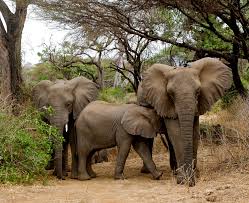
Best Time for Tanzania Safari: Discover Africa’s Wild Heart with Mandrill African Safaris
Experience the best time for a Tanzania safari with Mandrill African Safaris. Discover when to visit Serengeti, Ngorongoro Crater, and Zanzibar for breathtaking wildlife encounters, great weather, and unforgettable African adventures.
Introduction: Timing Is Everything on a Tanzania Safari
Tanzania — home to the endless plains of the Serengeti, the majestic Ngorongoro Crater, the snow-capped Mount Kilimanjaro, and the turquoise beaches of Zanzibar — is one of Africa’s most iconic safari destinations. But when is the best time to visit Tanzania?
Choosing the right time for your safari can make all the difference between witnessing the dramatic Great Migration or simply exploring lush green landscapes filled with newborn wildlife. With Mandrill African Safaris, your journey is perfectly timed for the most rewarding experience — whether you’re chasing the migration herds, birdwatching in the wetlands, or relaxing on a tropical island after your safari.
Let’s explore Tanzania’s safari seasons month by month, understand what to expect, and help you choose your ideal time to travel.
Tanzania’s Safari Seasons Explained
Tanzania enjoys a tropical climate with two main safari seasons — the dry season and the wet season. Each has its unique charm and wildlife activity.
1. The Dry Season (June to October) — The Classic Safari Window
This is widely regarded as the best time for a Tanzania safari, especially for wildlife viewing in Serengeti National Park, Tarangire, and Ngorongoro Crater.
Highlights:
-
Wildlife is easier to spot as animals gather around limited water sources.
-
Clear blue skies and pleasant temperatures.
-
Perfect for the Great Wildebeest Migration crossings at the Mara River (July to September).
-
Low risk of mosquitoes — ideal for families and first-time safari-goers.
Where to Go:
-
Serengeti National Park: Witness the iconic river crossings where wildebeests and zebras brave crocodile-infested waters.
-
Ngorongoro Crater: Enjoy sightings of lions, elephants, rhinos, and leopards in this natural amphitheater.
-
Tarangire National Park: Large herds of elephants and stunning baobab landscapes.
Travel Tips:
Book early! This is the most popular time of year, and safari lodges and camps fill up quickly. Mandrill African Safaris offers tailor-made packages that ensure you stay in prime locations during peak wildlife moments.
2. The Short Rains (November to December) — A Photographer’s Paradise
As the first showers fall, the plains of Tanzania turn lush green again, marking the beginning of the short rainy season. While some travelers shy away from the rain, this period offers excellent photographic opportunities and fewer tourists.
Highlights:
-
Vibrant green landscapes perfect for photography.
-
Calving season begins in the southern Serengeti.
-
Migratory birds return, making it a birdwatcher’s dream.
-
Excellent value for money — rates drop, but experiences remain high.
Where to Go:
-
Southern Serengeti (Ndutu region): Witness the wildebeest calving season start as thousands of young are born, attracting predators like lions and cheetahs.
-
Lake Manyara: Excellent for flamingos and diverse birdlife.
-
Tarangire: Still offers good elephant sightings.
Travel Tips:
Rain usually falls in short bursts, mainly in the afternoon, so your safari drives are rarely disrupted. Mandrill African Safaris ensures flexible itineraries and comfortable vehicles for all weather conditions.
3. The Green Season (January to March) — New Life in the Serengeti
This is one of the most underrated times to visit Tanzania. The landscape is alive with new life, dramatic predator-prey interactions, and brilliant birdlife.
Highlights:
-
Calving season peaks in January and February in the Ndutu area of southern Serengeti.
-
Predator action is at its most thrilling — lions, leopards, and hyenas are active.
-
Fewer tourists mean intimate wildlife encounters and lower rates.
Where to Go:
-
Ndutu and Southern Serengeti: The stage for one of the greatest natural spectacles — over 400,000 calves born within a few weeks.
-
Ngorongoro Highlands: Cooler weather and breathtaking scenery.
-
Zanzibar: Combine your safari with a relaxing beach holiday in perfect tropical conditions.
Travel Tips:
This is the ideal season for photographers and wildlife enthusiasts looking to capture dramatic moments. Mandrill African Safaris offers specialized photography tours during this time, guided by experienced safari experts.
4. The Long Rains (April to May) — Serenity and Seclusion
From April to May, Tanzania experiences its heaviest rainfall. Many travelers avoid this period, but for those who don’t mind occasional showers, it’s the best-kept secret for luxury safaris at a discount.
Highlights:
-
Lush, green landscapes and blooming flowers.
-
Very few tourists — parks are peaceful and exclusive.
-
Significant discounts on lodges and safari packages.
-
Perfect lighting for photography.
Where to Go:
-
Ngorongoro Crater: Remains accessible year-round, and wildlife sightings are still exceptional.
-
Selous Game Reserve and Ruaha National Park: Dramatic wilderness areas offering solitude and raw beauty.
-
Zanzibar: Some rainfall, but still warm and beautiful for relaxation.
Travel Tips:
Roads can get muddy, but Mandrill African Safaris uses 4×4 safari vehicles designed to handle all terrain. If you prefer tranquility over crowds, this season offers remarkable value and beauty.
Best Time to Witness the Great Migration
The Great Migration — one of Earth’s most spectacular natural events — is a year-round phenomenon that moves in a circular route across the Serengeti. Knowing where the herds are at different times helps you plan your safari perfectly.
| Month | Location | Event Highlights |
|---|---|---|
| January – March | Southern Serengeti & Ndutu | Calving season and predator action |
| April – May | Central Serengeti | Herds moving north; dramatic green landscapes |
| June – July | Western Serengeti & Grumeti | River crossings begin |
| August – October | Northern Serengeti & Mara River | Iconic river crossings into Kenya |
| November – December | Eastern Serengeti | Return southward migration |
Mandrill African Safaris offers migration-tracking safaris, where your itinerary follows the herds to ensure you never miss the action.
Best Time for Specific Safari Interests
| Interest | Best Time to Visit | Recommended Parks |
|---|---|---|
| Big Five Safari | June – October | Serengeti, Ngorongoro Crater |
| Birdwatching | November – April | Lake Manyara, Tarangire, Selous |
| Photography | January – March | Southern Serengeti (Ndutu) |
| Family Safari | June – October | Tarangire, Ngorongoro |
| Budget Safari | April – May | Ruaha, Mikumi |
| Beach & Safari Combo | December – March, June – October | Zanzibar, Serengeti |
Mandrill African Safaris can tailor each journey according to your interests, ensuring the best timing and destinations for a personalized African adventure.
Why Choose Mandrill African Safaris for Your Tanzania Adventure
Mandrill African Safaris is not just a tour operator — it’s your gateway to authentic, immersive African experiences. Our expert guides, handpicked lodges, and personalized itineraries ensure you witness the magic of Tanzania at its very best.
What Sets Us Apart:
-
Tailor-made safaris that match your preferred season and budget.
-
Expert local guides with in-depth wildlife knowledge.
-
4×4 luxury safari vehicles for comfort and safety.
-
Seamless combinations of safari and beach holidays in Zanzibar.
-
Commitment to sustainable and community-based tourism.
Whether you’re visiting for the Great Migration, a luxury honeymoon safari, or a family adventure, Mandrill African Safaris ensures every moment is unforgettable — from sunrise game drives to sundowners on the Serengeti plains.
Conclusion: Every Season Tells a Story in Tanzania
So, when is the best time for a Tanzania safari?
The answer depends on what kind of story you want to tell.
-
June to October — Dry season for classic wildlife encounters.
-
January to March — Green season for calving and photography.
-
November to December — Shoulder season for fewer crowds and beautiful scenery.
-
April to May — Rainy but peaceful, ideal for solitude and savings.
With Mandrill African Safaris, every safari is carefully designed to match your timing, interests, and expectations. Whichever month you choose, Tanzania’s magic never fades — it simply changes color.


