

Hidden Waterfalls and Nature Trails in Bwindi Forest:
2025-11-17
Bwindi’s Green Safari Movement: Eco-Tourism That Protects Nature
2025-11-17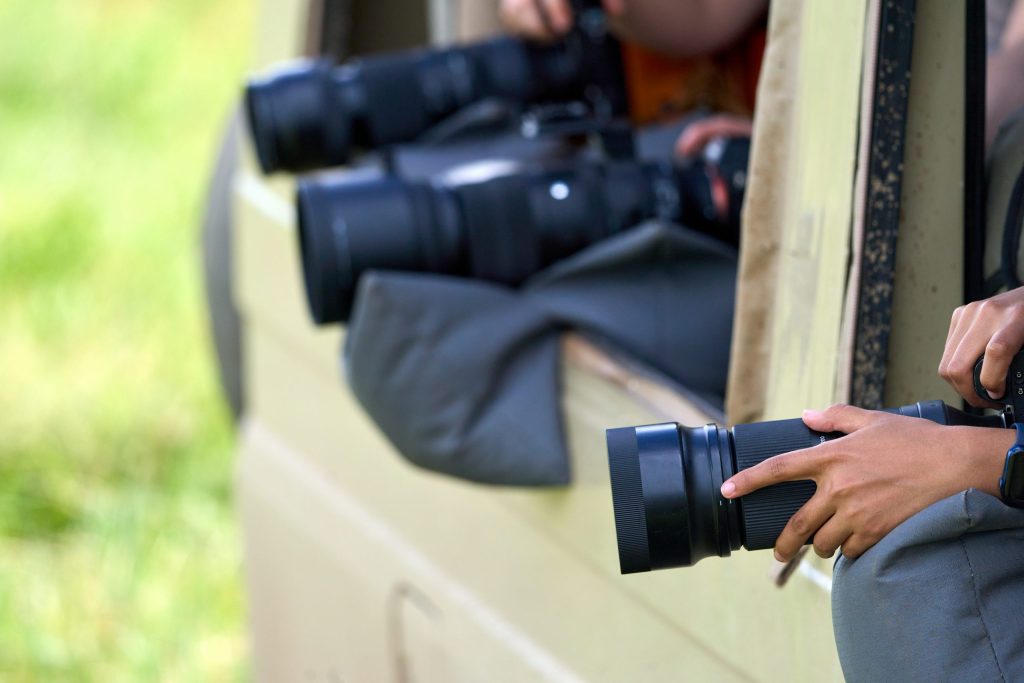
Capturing the Beauty of Bwindi: A Photographer’s Dream Destination
Nestled in the lush, mist-covered mountains of southwestern Uganda lies Bwindi Impenetrable National Park, one of Africa’s most breathtaking and biologically diverse rainforests. Often referred to as the “Pearl of Africa,” Bwindi is not just a haven for wildlife enthusiasts; it is a photographer’s dream destination, offering unparalleled opportunities to capture stunning landscapes, rare wildlife, and intimate encounters with nature. At Mandrill African Safaris, we specialize in curating personalized safari experiences that help photographers capture the essence of Bwindi while enjoying a seamless, luxury travel experience.
Why Bwindi Impenetrable National Park is a Photographer’s Paradise
1. Extraordinary Biodiversity
Bwindi Impenetrable National Park is home to more than 120 mammal species and over 350 bird species, making it one of Africa’s richest wildlife habitats. Its star attraction is undoubtedly the mountain gorilla, with approximately half of the world’s remaining population residing in this park. Photographers flock here to capture these gentle giants in their natural habitat, an experience that is both humbling and exhilarating.
Apart from gorillas, Bwindi offers opportunities to photograph chimpanzees, forest elephants, golden monkeys, and elusive species like bushbucks and giant forest hogs. The park’s dense vegetation creates a mystical atmosphere, perfect for creative wildlife photography that captures the interplay of light and shadow.
2. Stunning Landscapes
Bwindi is characterized by its rolling hills, steep valleys, and thick forests, often cloaked in morning mist. Photographers can capture dramatic landscapes at sunrise, where the mist gradually reveals the contours of the forested mountains. The park’s unique topography allows for a variety of perspectives—whether you prefer sweeping panoramic shots or intimate close-ups of dew-laden leaves and flowers.
3. Rich Flora and Macro Photography Opportunities
For nature photographers interested in macro photography, Bwindi is a treasure trove. The park is home to over 200 species of trees, ferns, orchids, and medicinal plants. Every corner reveals vibrant textures, colors, and patterns—from tiny forest flowers to the intricate bark of ancient trees. These details make for compelling close-up shots that bring out the hidden beauty of the rainforest.
Planning Your Photography Safari in Bwindi
To truly make the most of a photography safari in Bwindi, careful planning is essential. At Mandrill African Safaris, we ensure every detail is tailored to photographers’ needs.
1. Best Time to Visit
Bwindi’s climate is equatorial, with rainfall spread throughout the year. However, the dry seasons (June to September and December to February) are ideal for photography. During these months, trails are less slippery, gorillas are easier to track, and natural light conditions are optimal for capturing vibrant images.
2. Gorilla Trekking: Capturing Iconic Wildlife
Gorilla trekking in Bwindi is a once-in-a-lifetime experience and a highlight for photographers. Each trekking group is limited to eight people, ensuring an intimate and unobtrusive encounter with gorilla families. Photographers should consider:
-
Camera Gear: A DSLR or mirrorless camera with a telephoto lens (200-400mm) is ideal. A fast lens (f/2.8-f/4) is recommended for low-light conditions in the forest.
-
Settings: Use a higher ISO for early morning light, and shoot in continuous mode to capture fleeting gorilla expressions.
-
Respect Wildlife: Always maintain a safe distance and follow the guide’s instructions to avoid disturbing the gorillas.
3. Bird Photography
Bwindi is a birdwatcher’s haven, with over 350 species including the Grey Parrot, African Green Broadbill, and Great Blue Turaco. For bird photographers:
-
Best Times: Early morning or late afternoon for optimal lighting.
-
Gear: Telephoto lenses (300-600mm) and lightweight tripods.
-
Techniques: Patience is key; use silent shooting modes to capture birds without scaring them away.
4. Landscape and Cultural Photography
Bwindi is also home to Batwa communities, indigenous people with rich cultural traditions. Photographers can document traditional dances, crafts, and daily life while respecting local customs. The surrounding landscape, with its terraced hills and hidden valleys, offers endless opportunities for scenic photography. Sunrise and sunset provide magical lighting that enhances the natural beauty of the forest.
Tips for Successful Photography in Bwindi
1. Prepare for Humidity and Rain
Bwindi is a rainforest; humidity is high, and rain showers are common. Bring weatherproof camera bags, lens cloths, and protective gear for your equipment. Waterproof clothing and boots will keep you comfortable during treks.
2. Use Natural Light
The forest canopy filters sunlight, creating dappled lighting that can enhance photographs. Avoid using flash, as it can disturb wildlife and flatten the image. Embrace soft, natural light for dramatic effects.
3. Composition Techniques
-
Rule of Thirds: Place gorillas, monkeys, or trees off-center for dynamic compositions.
-
Leading Lines: Use forest trails or rivers to guide the viewer’s eye into the image.
-
Depth of Field: Wide apertures (f/2.8–f/4) create beautiful background blur, making subjects stand out.
4. Stay Patient and Observant
In wildlife photography, patience is paramount. Bwindi rewards photographers who observe animal behavior, wait for the perfect moment, and respect the rhythms of nature. Sometimes the most powerful shots come from subtle interactions between gorillas or the delicate sway of foliage in the wind.
Mandrill African Safaris: Tailored Photography Experiences
At Mandrill African Safaris, we specialize in creating bespoke photography safaris in Bwindi. Our team provides:
-
Expert Guides: Trained in wildlife tracking and photography tips, helping you locate subjects while maintaining ethical practices.
-
Luxury and Eco-Lodges: Stay in comfortable accommodations nestled near the park, allowing early morning or late evening excursions.
-
Custom Itineraries: Whether you are focused on gorilla photography, birdwatching, or landscapes, we design trips that maximize your shooting opportunities.
-
Support Services: From arranging transportation to providing local insights on culture and flora, our team ensures a smooth and enriching experience.
Essential Gear Checklist for Bwindi Photography
To capture the beauty of Bwindi effectively, consider packing the following:
-
DSLR or mirrorless camera with extra batteries
-
Telephoto lens (200-400mm) for wildlife
-
Wide-angle lens for landscapes
-
Tripod or monopod for stability
-
Rain covers for camera and backpack
-
Lens cleaning kit
-
Memory cards with ample storage
-
Lightweight waterproof clothing
-
Comfortable hiking boots
Conservation and Responsible Photography
Photographers visiting Bwindi play a crucial role in conservation awareness. By capturing and sharing images of gorillas, birds, and the rainforest, photographers contribute to global recognition of the park’s ecological value. Always follow park rules:
-
Avoid touching or feeding wildlife
-
Keep noise to a minimum
-
Respect local communities
-
Limit group sizes during treks
Inspirational Photography Spots in Bwindi
-
Ruhija Sector: Known for its scenic valleys and misty landscapes, perfect for sunrise shots.
-
Rushaga Sector: Excellent for gorilla tracking and photographing interactions between families.
-
Nkuringo Sector: Offers steep hiking trails and panoramic views of the forest canopy.
-
Bufuga Sector: Ideal for bird photography and macro shots of rare orchids.
The Ultimate Photography Safari Experience
Capturing the essence of Bwindi is more than taking pictures; it is an immersive experience that engages all the senses. Imagine trekking through misty forests, hearing the distant calls of gorillas, observing a golden monkey leap through the trees, and feeling the damp, earthy scent of ancient forest soil. Each photograph becomes a story, a moment frozen in time, and a testament to the wild beauty of Uganda.
At Mandrill African Safaris, we understand that photographers seek more than just sightings; they seek inspiration, adventure, and the thrill of capturing nature in its purest form. From luxury accommodations to expertly guided treks, we ensure that every detail of your photography safari is seamless and memorable.
Conclusion
Bwindi Impenetrable National Park is a destination that promises extraordinary wildlife, breathtaking landscapes, and a rich cultural tapestry—all waiting to be captured through the lens. For photographers, it is an unparalleled opportunity to document some of Africa’s most iconic species, from majestic gorillas to rare forest birds, while experiencing the magic of a primeval rainforest.


