

Capturing the Beauty of Bwindi: A Photographer’s Dream Destination
2025-11-17
Health and Safety Tips for Visiting Bwindi National Park: Stay Safe on Your Gorilla Safari
2025-11-18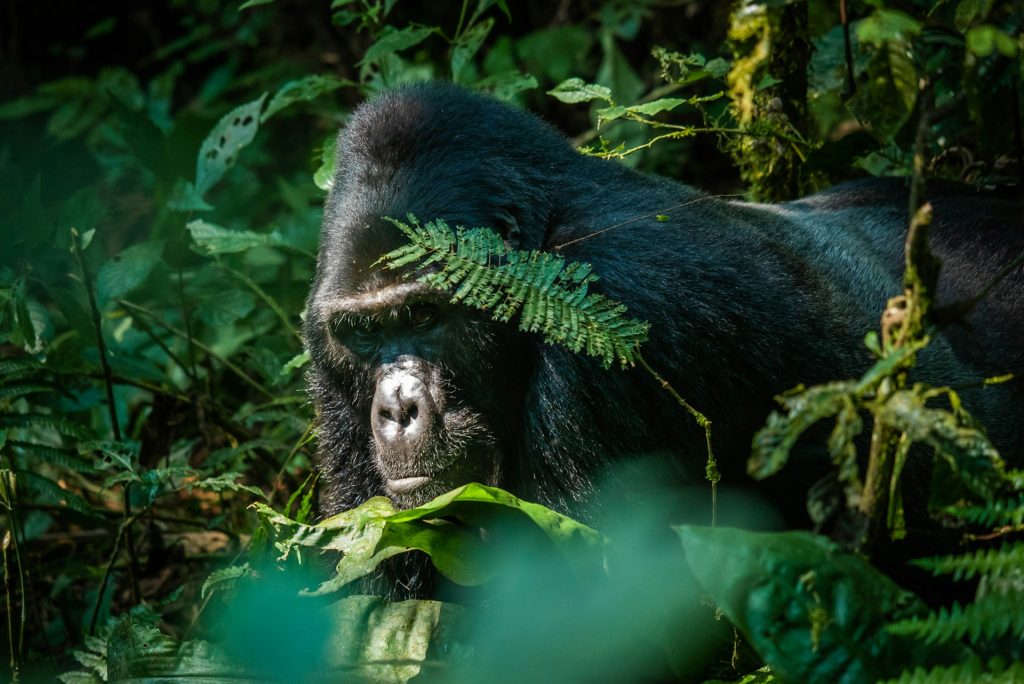
Bwindi’s Green Safari Movement: Eco-Tourism That Protects Nature
Nestled in the heart of southwestern Uganda, Bwindi Impenetrable National Park is not only a sanctuary for mountain gorillas but also a symbol of how eco-tourism can drive conservation. As global travelers increasingly seek responsible and sustainable travel experiences, Mandrill African Safaris has embraced the Green Safari Movement, ensuring that each visit to Bwindi supports local communities, wildlife conservation, and the preservation of Uganda’s lush landscapes.
The Rise of Eco-Tourism in Bwindi
Eco-tourism is no longer just a trend—it’s a necessity. Bwindi Impenetrable National Park, a UNESCO World Heritage Site, spans 321 square kilometers of dense rainforest and is home to approximately half of the world’s mountain gorilla population. Over the years, unregulated tourism and human encroachment threatened this delicate ecosystem.
The Green Safari Movement in Bwindi aims to strike a balance between tourism growth and environmental sustainability. By prioritizing low-impact travel, responsible wildlife interaction, and community-led conservation, eco-tourism initiatives ensure that the park’s resources remain protected for generations.
Key Features of Bwindi’s Eco-Tourism
-
Controlled Gorilla Trekking
Gorilla trekking permits are limited to a certain number of visitors per day. This controlled approach reduces stress on gorilla families and minimizes environmental degradation. Visitors are guided by trained rangers who enforce strict rules on distance, noise, and hygiene to safeguard wildlife. -
Sustainable Lodging
Eco-lodges and camps in Bwindi prioritize green practices. Many accommodations use solar energy, rainwater harvesting systems, and environmentally friendly building materials. Mandrill African Safaris partners with lodges committed to reducing waste and conserving water, ensuring that your stay leaves a minimal carbon footprint. -
Community Engagement
Local communities around Bwindi play a crucial role in eco-tourism. Through initiatives like guided village tours, handicraft sales, and community-led conservation programs, tourism revenue benefits locals directly, incentivizing the protection of the forest and its wildlife.
How Green Safaris Protect Nature
The Green Safari Movement is more than a buzzword—it’s a practical approach to conservation. Here’s how eco-tourism in Bwindi actively protects nature:
1. Reducing Human-Wildlife Conflict
Bwindi is surrounded by farmland, and as human settlements grow, conflicts with wildlife increase. Eco-tourism provides an economic alternative for local communities, reducing the need for forest clearance. Revenue from trekking permits, guided tours, and eco-lodges encourages locals to protect gorillas and other wildlife instead of hunting or encroaching on their habitat.
2. Forest Preservation
Tourism activities in Bwindi are carefully managed to avoid forest degradation. Trails are maintained to prevent soil erosion, and visitor numbers are controlled to reduce environmental impact. Each visitor contributes a portion of their fees toward forest conservation projects, including reforestation and anti-poaching initiatives.
3. Wildlife Conservation Funding
Every gorilla trekking permit purchased in Bwindi contributes to direct conservation efforts. Funds support park rangers, veterinary care for injured wildlife, and research programs that monitor gorilla health and population growth. This financial model ensures that tourism and conservation go hand in hand.
Experiences That Combine Adventure and Responsibility
Mandrill African Safaris ensures that your journey through Bwindi is immersive, educational, and responsible. Here’s what you can expect from a green safari:
Gorilla Trekking in Bwindi
The highlight of any Bwindi safari is the mountain gorilla trek. Eco-conscious tourists learn about gorilla behavior, their role in the ecosystem, and the threats they face from habitat loss. Each trek is guided with strict adherence to eco-tourism principles, allowing visitors to witness gorillas in their natural habitat without disturbing them.
Bird Watching and Nature Walks
Bwindi is a paradise for birdwatchers, with over 350 bird species recorded in the park. Eco-guided nature walks offer opportunities to explore trails rich with endemic flora and fauna. These activities educate visitors on the importance of biodiversity and encourage appreciation for the forest’s delicate ecosystem.
Cultural Encounters
The Batwa Pygmies, indigenous to the Bwindi region, offer cultural experiences that are sustainable and respectful. Through traditional dances, storytelling, and handicraft workshops, tourists support community livelihoods while learning about the historical connection between humans and the forest.
The Role of Mandrill African Safaris in Promoting Eco-Tourism
Mandrill African Safaris has positioned itself at the forefront of eco-friendly travel in Uganda. By integrating sustainability into every aspect of its safaris, the company ensures that tourism contributes positively to both nature and society.
Sustainable Travel Practices
-
Minimizing Waste: Visitors are encouraged to reduce plastic usage and dispose of waste responsibly. Lodges provide biodegradable alternatives, and tour operators follow strict “leave no trace” policies.
-
Energy Conservation: Solar-powered lodges, energy-efficient lighting, and water-saving initiatives reduce the environmental impact of tourism.
-
Education and Awareness: Guides educate tourists about eco-conscious practices and the significance of protecting mountain gorillas and the Bwindi ecosystem.
Community Development
Mandrill African Safaris ensures that a portion of tourism revenue flows directly into local communities. By investing in schools, health care, and infrastructure, eco-tourism creates incentives for communities to preserve the forest. This model transforms tourism from a simple business into a tool for socio-environmental development.
Why Green Safaris Are the Future of Travel
The success of Bwindi’s Green Safari Movement is a testament to the growing global demand for responsible travel. Tourists are no longer satisfied with sightseeing alone—they want their trips to make a positive impact. Eco-tourism offers this dual benefit:
-
Conservation Impact: Visitors actively contribute to preserving endangered species and fragile ecosystems.
-
Authentic Experiences: Travelers gain a deeper understanding of nature, wildlife, and local culture.
-
Sustainable Communities: Eco-tourism creates jobs and revenue streams that incentivize environmental stewardship.
By choosing green safaris, tourists support a model where nature, wildlife, and people coexist harmoniously.
Tips for an Eco-Friendly Safari in Bwindi
To maximize your impact and ensure a responsible visit, consider these eco-friendly tips:
-
Respect Wildlife: Maintain a safe distance from gorillas and avoid loud noises.
-
Use Eco-Friendly Lodging: Stay at lodges that prioritize renewable energy and sustainable practices.
-
Support Local Businesses: Purchase souvenirs directly from community artisans.
-
Limit Single-Use Plastics: Carry reusable water bottles and avoid plastic packaging.
-
Follow Ranger Guidelines: Adhere strictly to park rules to minimize your ecological footprint.
The Impact of Eco-Tourism on Bwindi
The numbers speak for themselves. Since the introduction of eco-tourism practices in Bwindi:
-
Gorilla populations have stabilized and, in some groups, increased.
-
Local communities have access to sustainable income streams, reducing reliance on forest exploitation.
-
Deforestation rates around the park boundaries have decreased.
-
Tourists report higher satisfaction due to immersive, meaningful experiences.
Eco-tourism has transformed Bwindi from a fragile ecosystem under threat into a global model for sustainable wildlife travel.
Conclusion: Travel with Purpose in Bwindi
Bwindi’s Green Safari Movement shows that tourism does not have to harm the environment—it can be a force for good. By combining wildlife conservation, community engagement, and sustainable travel practices, eco-tourism in Bwindi protects one of Uganda’s most precious natural treasures while offering visitors unforgettable experiences.


