Ngorongoro Crater Wildlife Safari Guide
2026-09-02
Best National Parks in Tanzania: A Complete Guide to Tanzania’s Top Safari Destinations
2026-09-03
Amboseli National Park: Land of Giants
Discover Amboseli National Park, Kenya’s Land of Giants, famous for elephants, Mount Kilimanjaro views, wildlife, Maasai culture and unforgettable safari experiences.
Few places in Africa capture the imagination quite like Amboseli National Park. Set in southern Kenya beneath the magnificent presence of Mount Kilimanjaro, Amboseli is a destination where enormous elephant herds roam across open savannah, wildlife gathers around wetlands, and the traditions of the Maasai people remain an important part of the landscape.
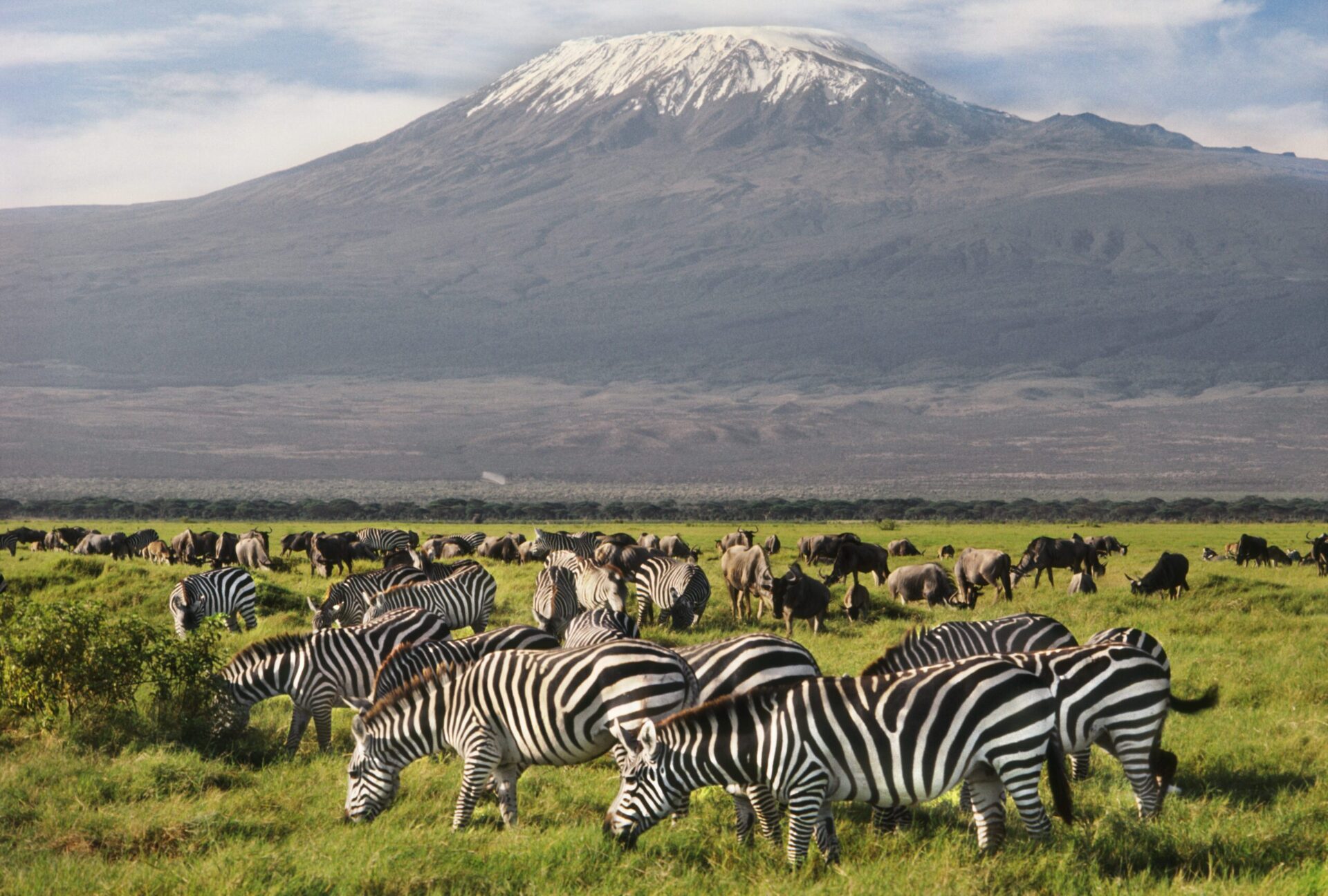
Known as the “Home of the African Elephant,” Amboseli National Park is one of the best places in Kenya for close encounters with elephants. The park’s combination of open plains, permanent swamps, acacia woodlands, abundant wildlife, and spectacular views of Mount Kilimanjaro makes it an exceptional destination for travelers seeking an authentic Kenya wildlife safari.
For wildlife enthusiasts, photographers, families, couples, and first-time safari travelers, an Amboseli safari offers a remarkable opportunity to experience the beauty of East Africa in a relatively compact and accessible park.
Where Is Amboseli National Park?
Amboseli National Park is located in southern Kenya, close to the Tanzania border and at the northern foot of Mount Kilimanjaro. The protected area covers approximately 392 square kilometres, although the greater Amboseli ecosystem extends far beyond the park boundaries.
Its location is one of the reasons the park is so visually spectacular. On clear days, the snow-capped summit of Mount Kilimanjaro rises dramatically behind the savannah, creating one of Africa’s most recognizable safari landscapes.
The park can be reached by road from Nairobi, while travelers looking to save time can also use air access. Kenya Wildlife Service identifies Iremito, Kimana, and Meshanani among the main access gates, with Kimana airstrip serving light aircraft.
Why Is Amboseli Called the Land of Giants?
The nickname “Land of Giants” is closely associated with the park’s remarkable African elephants. Amboseli has long been celebrated for its large elephant herds and impressive individuals, including elephants with exceptionally large tusks.
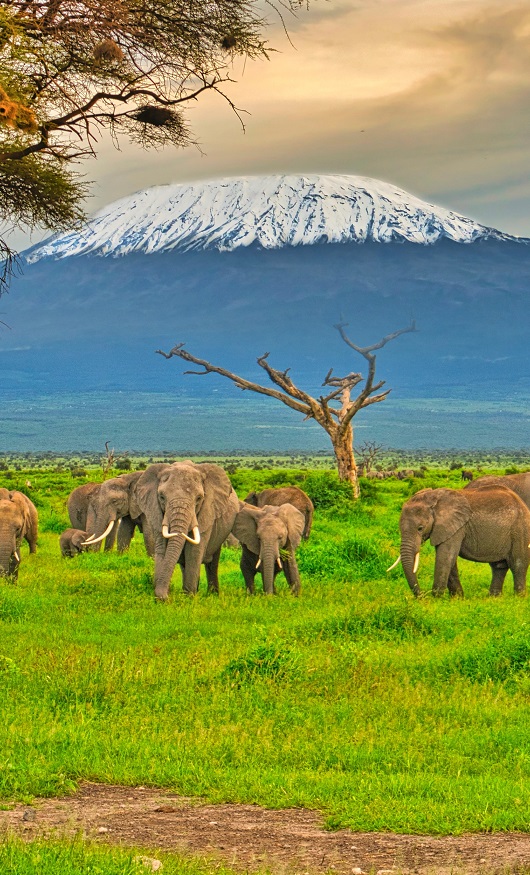
The park has also played an important role in elephant research and conservation. Its elephants have been studied for decades, helping researchers understand elephant behaviour, family structures, movement, and the challenges facing these magnificent animals.
Amboseli is therefore much more than a destination for taking spectacular photographs. It is a living ecosystem where wildlife, water, communities, tourism, and conservation are closely connected.
Seeing a large elephant family moving slowly across the plains with Mount Kilimanjaro in the background is one of the unforgettable moments of an African safari in Kenya.
Wildlife in Amboseli National Park
Although elephants are the park’s biggest attraction, they are certainly not the only animals you can encounter.
A well-planned Amboseli National Park safari can provide sightings of:
- African elephants
- Lions
- Leopards
- Cheetahs
- African buffaloes
- Giraffes
- Zebras
- Wildebeest
- Hippos
- Hyenas
- Gazelles
- Warthogs
- Various antelope species
- Numerous waterbirds and raptors
Amboseli’s varied habitats support a diverse range of wildlife. Open grasslands provide excellent visibility, while swamps and marshes attract animals looking for water and vegetation.
The park is also an excellent destination for bird lovers. Kenya Wildlife Service highlights Amboseli as an Important Bird Area with more than 400 bird species, including numerous birds of prey and wetland species.
For travelers combining several destinations, Amboseli can complement other Kenya safari destinations such as Maasai Mara, Lake Nakuru and Tsavo National Parks.
Mount Kilimanjaro: The Iconic Backdrop
One of the biggest reasons travelers choose Amboseli is the extraordinary view of Mount Kilimanjaro.
At nearly 5,900 metres above sea level, Kilimanjaro is Africa’s highest mountain and one of the continent’s most recognizable natural landmarks. From Amboseli, the mountain provides a dramatic backdrop to wildlife encounters.
Imagine watching elephants cross the golden grasslands while the towering mountain rises behind them. For wildlife photographers, this combination is almost impossible to resist.
However, travelers should remember that mountain visibility depends on weather and cloud conditions. Early mornings often provide some of the best opportunities for clear views, although conditions can change throughout the day.
This makes Amboseli especially attractive to photographers searching for the classic elephant and Mount Kilimanjaro photograph.
Amboseli’s Swamps: The Lifeline of the Ecosystem
At first glance, Amboseli may appear dry and dusty. Yet beneath and across this semi-arid landscape are wetlands that play a crucial role in supporting wildlife.
The park’s permanent swamps are sustained by water associated with the Mount Kilimanjaro ecosystem. These wetlands provide essential water and vegetation during dry periods and attract elephants, hippos, buffaloes, birds, and other wildlife.
The contrast between dry savannah and green wetlands is one of the defining characteristics of an Amboseli wildlife safari.
These wetlands also demonstrate why conservation cannot focus only on the boundaries of the national park. Wildlife movement, water resources, community land, pastoralism, and conservation are all interconnected across the wider ecosystem.
Maasai Culture and Community Experiences
A visit to Amboseli is not complete without appreciating the cultural heritage of the Maasai communities living around the ecosystem.
The Maasai have a long-standing relationship with the land, livestock, wildlife, and natural resources of southern Kenya. Cultural experiences can provide visitors with an opportunity to learn about traditional lifestyles, crafts, music, dance, pastoral practices, and community history.
Responsible cultural tourism should focus on respectful interaction and genuine community benefit rather than treating culture as a performance alone.
For travelers interested in combining wildlife and culture, an Amboseli safari and Maasai cultural experience can add another dimension to a Kenya holiday.
Things to Do in Amboseli National Park
1. Enjoy Game Drives
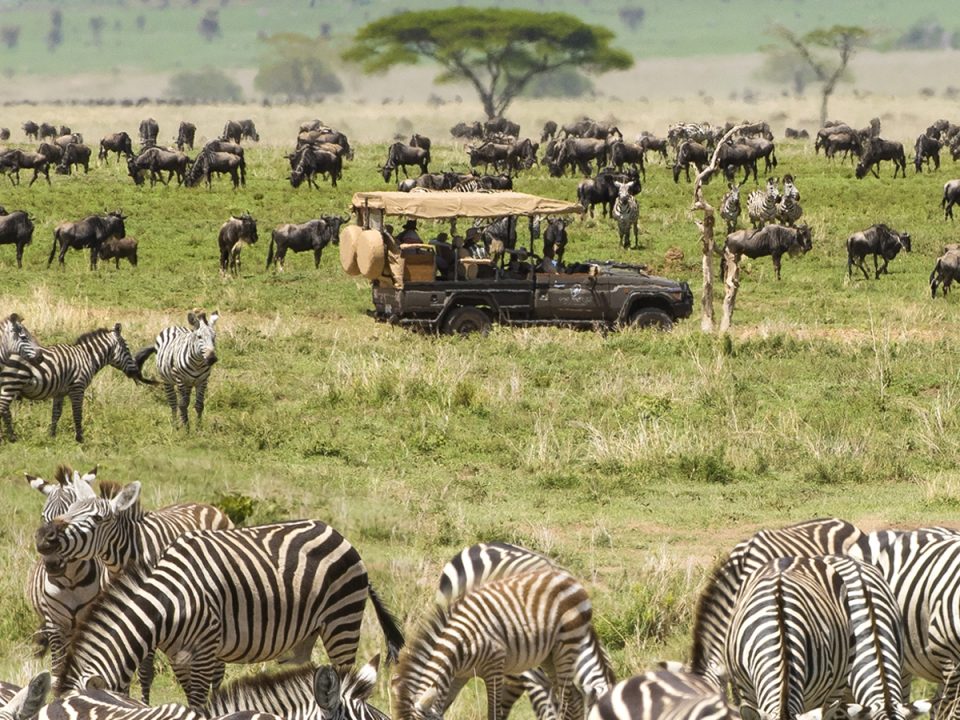
Game drives are the main activity in Amboseli. Early morning and late afternoon drives can provide excellent opportunities for wildlife viewing and photography.
The open landscapes make it easier to observe animals at a distance, while experienced guides can help travelers understand animal behaviour and identify less obvious species.
2. Photograph Elephants
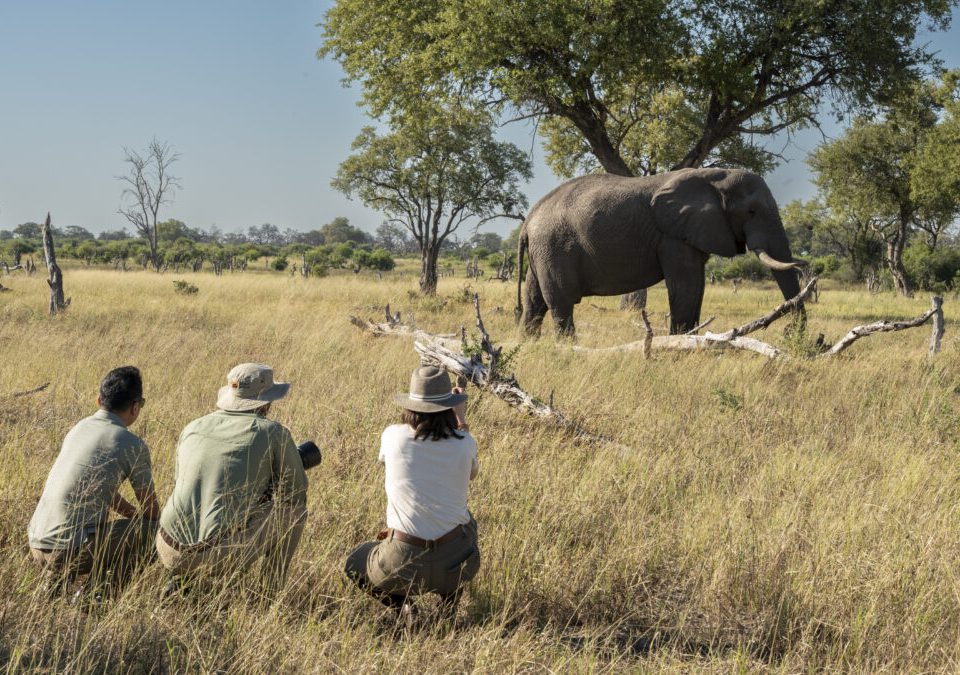
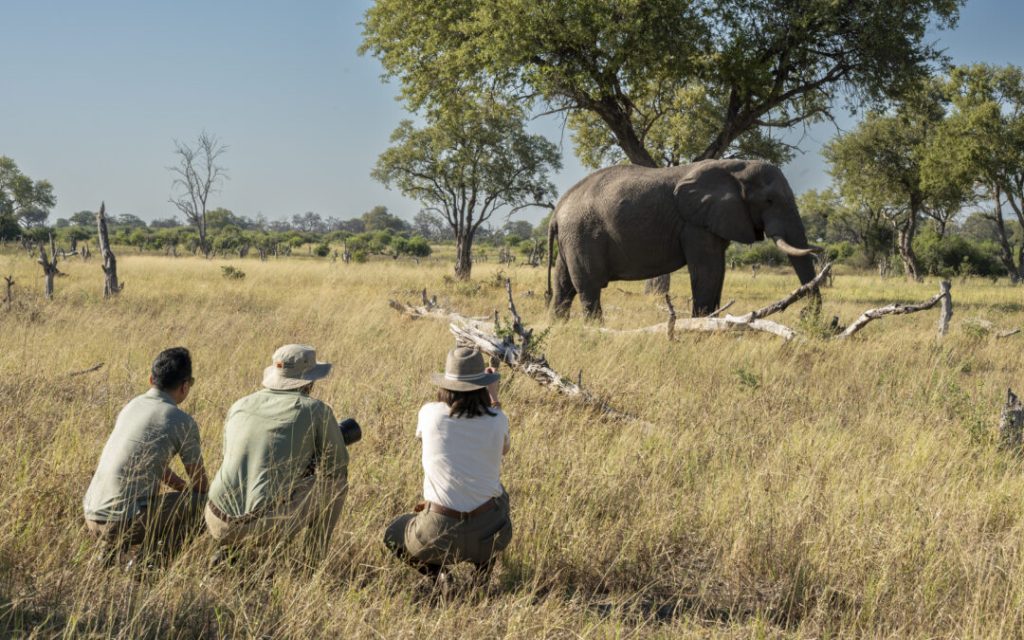
Amboseli is arguably one of the most rewarding destinations in Kenya for elephant photography.
The combination of large elephant herds, open plains and Mount Kilimanjaro creates extraordinary photographic opportunities. Visitors should always follow wildlife-viewing guidelines and maintain a respectful distance.
3. Visit Observation Hill
Observation Hill offers panoramic views across parts of the park and provides an excellent opportunity to appreciate the relationship between Amboseli’s wetlands, plains and surrounding landscape.
4. Experience Maasai Culture
Cultural visits around the Amboseli ecosystem can introduce travelers to Maasai traditions and community life while providing opportunities to support local communities.
5. Enjoy Bird Watching
With hundreds of recorded bird species, Amboseli is an excellent destination for birdwatchers. Wetlands are particularly productive areas for observing waterbirds, while open habitats and woodland can reveal raptors and other savannah species.
6. Capture Sunset and Landscape Photography
Amboseli is not only about wildlife. Its expansive horizons, dramatic skies, acacia trees, elephants and mountain views make it an outstanding destination for landscape photography.
Best Time to Visit Amboseli National Park
Amboseli can be visited throughout the year, but the dry seasons are particularly attractive for wildlife viewing.
The months from June to October, together with January and February, generally offer favourable conditions for game viewing. During drier periods, vegetation can be shorter and wildlife may be easier to locate around available water sources.
The wetter months can also be rewarding. Green landscapes, migratory birds, dramatic skies and fewer visitors can create excellent photography opportunities.
If your priority is clear Mount Kilimanjaro views and classic elephant photography, it is wise to allow some flexibility because cloud cover can influence mountain visibility.
How Long Should You Spend in Amboseli?
For travelers with limited time, 2 to 3 days in Amboseli National Park can provide a rewarding safari experience.
A two-day itinerary can include arrival, an afternoon game drive, a full-day safari experience and departure.
A three-day Amboseli safari provides more flexibility for game drives, photography, bird watching, cultural experiences and relaxing at your lodge or camp.
For travelers exploring more of Kenya, Amboseli can easily form part of a longer itinerary combining destinations such as Maasai Mara National Reserve, Lake Nakuru and Tsavo National Parks.
Responsible Tourism in Amboseli
The beauty of Amboseli depends on responsible tourism and effective conservation.
Visitors should follow park regulations, remain in designated vehicles and roads, avoid disturbing animals, maintain appropriate viewing distances and never feed wildlife. Kenya Wildlife Service also emphasizes that visitors are guests in a wildlife habitat and should respect animals’ space and right of way.
Responsible tourism also means supporting local communities and choosing tourism operators who value conservation and ethical wildlife encounters.
When travelers spend responsibly, tourism can contribute to conservation, employment and community development.
Why Choose Amboseli for Your Kenya Safari?
There are many reasons to add Amboseli to your African travel plans:
Elephants: Few safari destinations offer such memorable opportunities to observe large elephant herds.
Kilimanjaro: The mountain creates an extraordinary backdrop for wildlife and landscape photography.
Accessibility: Amboseli is relatively accessible from Nairobi and can fit easily into a wider Kenya safari itinerary.
Diverse wildlife: Beyond elephants, travelers can encounter lions, cheetahs, buffaloes, giraffes, zebras, wildebeest, hyenas and many other species.
Birdlife: The wetlands and surrounding habitats support a remarkable variety of birds.
Culture: Maasai communities add an important cultural dimension to the safari experience.
Photography: From sunrise elephants to dramatic sunsets, Amboseli offers outstanding opportunities for wildlife and landscape photography.
Plan Your Amboseli Safari with Mandrill Gorilla Safaris
At Mandrill Gorilla Safaris, we believe a great safari is about more than simply ticking animals off a checklist. It is about experiencing landscapes, wildlife, people and cultures in a responsible and memorable way.
Our Kenya safari experiences can be designed around your interests, whether you are passionate about elephants and wildlife photography, traveling as a family, planning a honeymoon, or combining Kenya with a wider East African safari.
An Amboseli National Park safari gives you the chance to stand beneath the shadow of Kilimanjaro, watch elephants move across the savannah and experience one of Kenya’s most iconic wildlife destinations.
From the first sight of a giant elephant herd to the final golden sunset over the plains, Amboseli truly earns its reputation as the Land of Giants.
Ready to explore Amboseli National Park? Contact Mandrill Gorilla Safaris and start planning your unforgettable Kenya wildlife safari today.