Amboseli National Park: Land of Giants
2026-09-03
Tooro Kingdom: A Journey Through Royal Heritage, History and the Beauty of Western Uganda
2026-09-06
Best National Parks in Tanzania: A Complete Guide to Tanzania’s Top Safari Destinations
Tanzania is one of Africa’s most spectacular safari destinations, offering incredible wildlife, dramatic landscapes, rich cultures, and some of the continent’s most famous conservation areas. From the endless plains of the Serengeti to the elephant-filled landscapes of Tarangire and the remote wilderness of Ruaha, Tanzania provides unforgettable experiences for first-time visitors and experienced safari travelers alike.
If you are planning a Tanzania safari, choosing the right national parks can make a major difference to your experience. Each destination has its own unique attractions, wildlife, landscapes, and safari activities.
1. Serengeti National Park – The Best Overall Tanzania Safari Destination
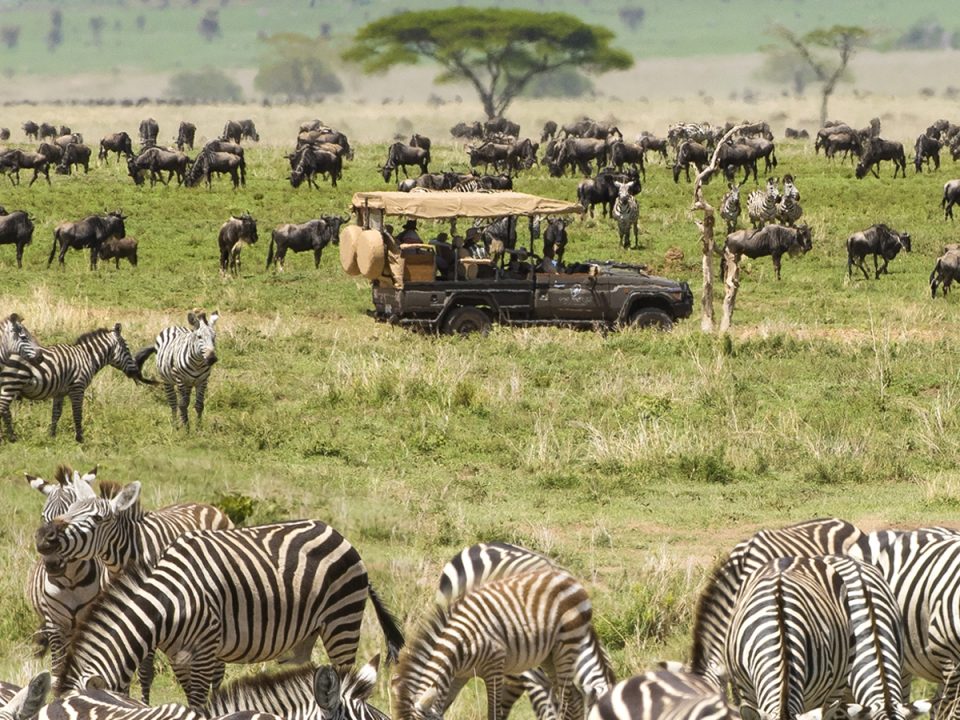
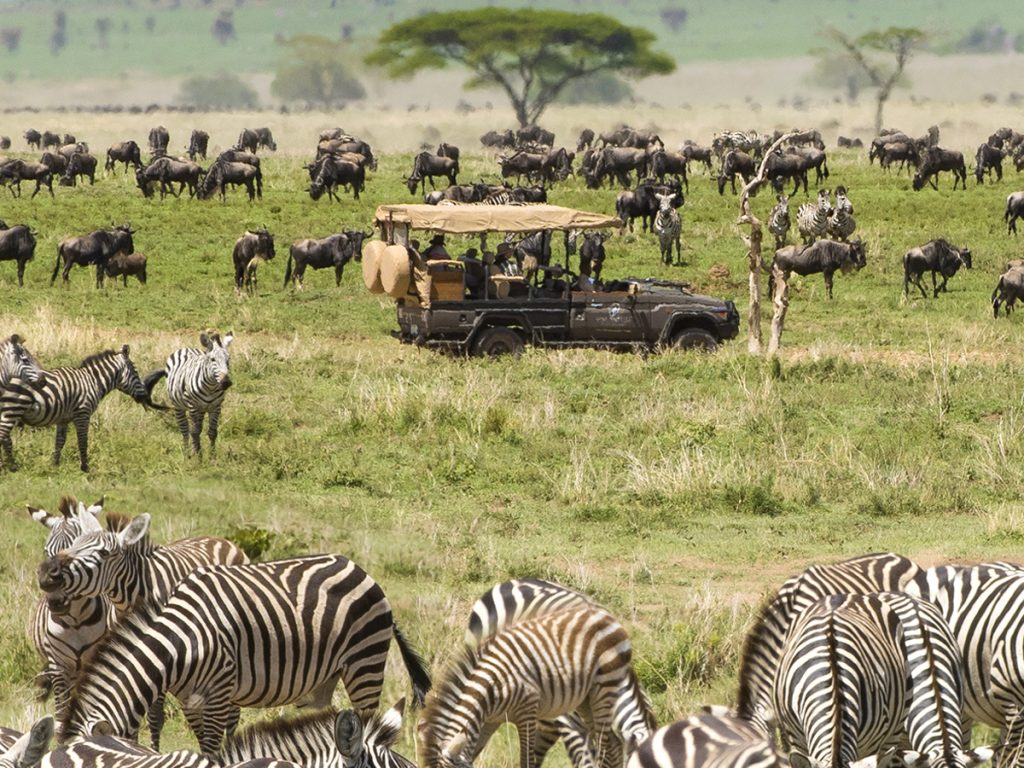
For many travelers, Serengeti National Park is the ultimate destination for a Tanzania wildlife safari. Located in northern Tanzania, the Serengeti is famous for its vast grasslands, abundant wildlife, spectacular scenery, and the annual Great Wildebeest Migration.
The Serengeti is home to huge populations of wildebeest, zebras, gazelles, elephants, giraffes, lions, leopards, cheetahs, buffaloes, and many other species. The annual migration is one of Africa’s most remarkable wildlife spectacles, with enormous herds moving across the ecosystem in search of fresh grazing and water.
A Serengeti safari offers excellent opportunities for game drives, wildlife photography, bird watching, and hot-air balloon experiences.
Why visit Serengeti National Park?
- Great Wildebeest Migration
- Excellent Big Five viewing
- Large predator populations
- Spectacular savannah landscapes
- Excellent wildlife photography
- Year-round game viewing
- Luxury, mid-range, and budget safari accommodation
For travelers asking about the best place to see the Great Migration in Tanzania, Serengeti should be at the top of the list.
2. Tarangire National Park – Best for Elephants and Baobab Landscapes
Tarangire National Park is one of the best parks in Tanzania for travelers who want impressive elephant encounters and beautiful landscapes. The park is particularly famous for its large elephant herds and ancient baobab trees.
During the dry season, wildlife concentrates around the Tarangire River and other permanent water sources, creating excellent opportunities for game viewing. TANAPA highlights Tarangire for its elephant populations, baobab-dotted scenery, and seasonal concentration of wildlife.
Besides elephants, visitors can encounter lions, leopards, buffaloes, zebras, wildebeest, giraffes, antelopes, and numerous bird species.
Why visit Tarangire National Park?
- Large elephant herds
- Iconic baobab trees
- Excellent dry-season wildlife viewing
- Rich birdlife
- Beautiful photographic landscapes
- Guided walking experiences
- Easy combination with Serengeti and Ngorongoro
Tarangire is an excellent addition to a Northern Tanzania safari itinerary, especially for travelers with limited time.
3. Nyerere National Park – Best for River Safaris and Wild Dogs
Formerly associated with the vast Selous ecosystem, Nyerere National Park is one of Tanzania’s outstanding southern wilderness destinations. It offers a different safari experience from the famous northern circuit.
The park is characterized by enormous wilderness areas, miombo woodlands, floodplains, lakes, and the Rufiji River. Visitors can enjoy traditional game drives as well as boat safaris, making Nyerere particularly attractive for travelers who want more than a standard vehicle safari.
TANAPA identifies lions, elephants, buffaloes, hippos, crocodiles, leopards, hyenas, and African wild dogs among the wildlife found in the park. The Rufiji River also supports remarkable birdlife.
Why visit Nyerere National Park?
- Boat safaris on the Rufiji River
- African wild dog sightings
- Large wilderness areas
- Hippos and crocodiles
- Excellent bird watching
- Fewer crowds in many areas
- Unique Southern Tanzania safari experience
Nyerere is particularly suitable for travelers looking for an off-the-beaten-path Tanzania safari.
4. Ruaha National Park – Best for Remote Wilderness
If you want a more remote and wild safari experience, Ruaha National Park deserves serious consideration. Located in south-central Tanzania, Ruaha is Tanzania’s second-largest national park, covering approximately 20,226 square kilometers.

The park is known for its dramatic landscapes, baobab trees, Great Ruaha River, large elephant and buffalo populations, and impressive predators.
Ruaha is also a great destination for travelers interested in guided walking safaris. Exploring the wilderness on foot provides a different perspective of the African bush and allows visitors to appreciate tracks, plants, birds, insects, and smaller wildlife.
Why visit Ruaha National Park?
- Remote wilderness
- Large elephant populations
- Lions, leopards, buffaloes, and crocodiles
- Greater and lesser kudu
- Walking safari opportunities
- Excellent bird watching
- Fewer crowds than the most famous northern parks
For photographers and experienced safari travelers, Ruaha safari tours can provide an exceptional wilderness experience.
5. Lake Manyara National Park – Best for Scenic Diversity and Birdlife
Lake Manyara National Park is a relatively compact but incredibly diverse destination on Tanzania’s northern safari circuit.
The park combines groundwater forests, open plains, woodland, wetlands, and the scenic Lake Manyara. This variety of habitats supports elephants, giraffes, buffaloes, zebras, hippos, baboons, and numerous bird species.
Lake Manyara is also associated with sightings of tree-climbing lions, although sightings are never guaranteed.
The park is particularly convenient for travelers combining several northern Tanzania destinations because it can be included alongside Tarangire, Ngorongoro, and Serengeti.
Why visit Lake Manyara?
- Diverse habitats
- Excellent bird watching
- Scenic landscapes
- Elephants and other large mammals
- Opportunity to see tree-climbing lions
- Convenient northern safari location
It is a good choice for travelers looking for a shorter Tanzania wildlife safari or a multi-park itinerary.
6. Mikumi National Park – Best for an Accessible Southern Safari
Mikumi National Park is one of the most accessible wildlife destinations in southern Tanzania, particularly for travelers visiting Dar es Salaam.
The park’s open grasslands and surrounding woodland provide habitats for elephants, lions, buffaloes, giraffes, zebras, wildebeest, hippos, and other wildlife.
Mikumi can be a good option for travelers who want a shorter safari without committing to the longer journeys required for some remote southern destinations.
Why visit Mikumi National Park?
- Accessible from Dar es Salaam
- Good wildlife viewing
- Elephants, lions, giraffes, and buffaloes
- Suitable for shorter safaris
- Good option for Southern Tanzania itineraries
A Mikumi safari can also be combined with Nyerere National Park for a Southern Circuit experience.
7. Gombe National Park – Best for Chimpanzee Trekking
While Tanzania is famous for traditional Big Five safaris, it also offers outstanding primate experiences. Gombe National Park, located along the shores of Lake Tanganyika, is particularly famous for chimpanzee research and trekking.
The forested environment is dramatically different from the open savannahs of Serengeti and Tarangire.
Gombe is an excellent choice for travelers interested in primates, forests, hiking, and Lake Tanganyika scenery.
Why visit Gombe?
- Chimpanzee trekking
- Forest hiking
- Primate viewing
- Lake Tanganyika scenery
- Unique experience beyond traditional game drives
For travelers who enjoy primate adventures, Gombe can add an exciting dimension to a wider Tanzania itinerary.
8. Mahale Mountains National Park – Best for Chimpanzees and Remote Adventures
Another remarkable primate destination is Mahale Mountains National Park, located along Lake Tanganyika in western Tanzania.
Mahale combines forested mountains, clear lake waters, beaches, and chimpanzee habitats. The park provides an exceptional combination of wildlife, hiking, primates, and relaxation.
Because of its remote location, Mahale is particularly attractive to adventurous travelers looking for a secluded Tanzania safari experience.
Ngorongoro Conservation Area – A Must-Visit Safari Destination
Although Ngorongoro is not technically a national park, no discussion of the best Tanzania safari destinations would be complete without mentioning the Ngorongoro Conservation Area.
The Ngorongoro Crater is one of Tanzania’s most famous wildlife destinations. Its dramatic volcanic landscape provides a remarkable setting for wildlife viewing, with opportunities to see lions, elephants, buffaloes, zebras, hippos, and other species.
Ngorongoro is commonly combined with Serengeti and Tarangire to create the classic Northern Tanzania safari circuit. Tanzania’s tourism authorities also highlight the combination of Tarangire, Ngorongoro, and Serengeti as a signature northern safari experience.
Which Tanzania National Park Should You Visit?
The best park depends on your interests, available time, budget, and preferred safari style.
| Safari Interest | Best Destination |
|---|---|
| Great Wildebeest Migration | Serengeti |
| Big Five safari | Serengeti / Ngorongoro |
| Elephants | Tarangire |
| Baobab landscapes | Tarangire / Ruaha |
| Remote wilderness | Ruaha |
| Boat safari | Nyerere |
| African wild dogs | Nyerere / Ruaha |
| Bird watching | Tarangire / Lake Manyara / Nyerere |
| Chimpanzee trekking | Gombe / Mahale |
| Short northern safari | Tarangire / Lake Manyara |
| Southern Tanzania safari | Nyerere / Ruaha / Mikumi |
Best Time to Visit Tanzania National Parks
The best time for a Tanzania safari depends on the destination and experience you want.
The dry season, generally June to October, is popular because wildlife often gathers around water sources and vegetation becomes thinner, making animals easier to spot. It is also an excellent period for many classic game-viewing experiences.
The green season can also be rewarding, especially for bird watching, photography, lush landscapes, and fewer crowds. Travelers interested in the Great Migration should plan according to the movement of the herds rather than relying only on a single month.
Because wildlife movements and weather conditions can vary, it is important to plan your itinerary around your specific interests.
How Many Days Do You Need for a Tanzania Safari?
A 3-day Tanzania safari can provide a taste of the country’s wildlife, while 5–7 days allows travelers to explore several major destinations at a more relaxed pace.
A classic itinerary could include:
Day 1: Arusha – Tarangire National Park
Day 2: Tarangire – Ngorongoro Conservation Area
Day 3: Ngorongoro – Serengeti National Park
Day 4: Full-day Serengeti safari
Day 5: Serengeti – departure or onward travel
Travelers with more time can add additional Serengeti days or explore the Southern Circuit through Nyerere and Ruaha.
Plan Your Tanzania Safari with Mandrill Gorilla Safaris
Tanzania offers far more than one famous national park. Whether your dream is watching the Great Wildebeest Migration in Serengeti, photographing elephants beneath baobab trees in Tarangire, enjoying a boat safari in Nyerere, exploring the remote wilderness of Ruaha, or trekking chimpanzees in Gombe and Mahale, there is a Tanzania safari experience for you.
At Mandrill Gorilla Safaris, we can help you design a Tanzania safari around your interests, budget, travel dates, and preferred accommodation style. Tanzania can also be combined with Uganda, Rwanda, Kenya, or Zanzibar for a broader East African adventure.
Your African adventure starts with choosing the right destination—and Tanzania has plenty of unforgettable choices.