Top Reasons to Visit Kenya in 2026
2026-09-02
Amboseli National Park: Land of Giants
2026-09-03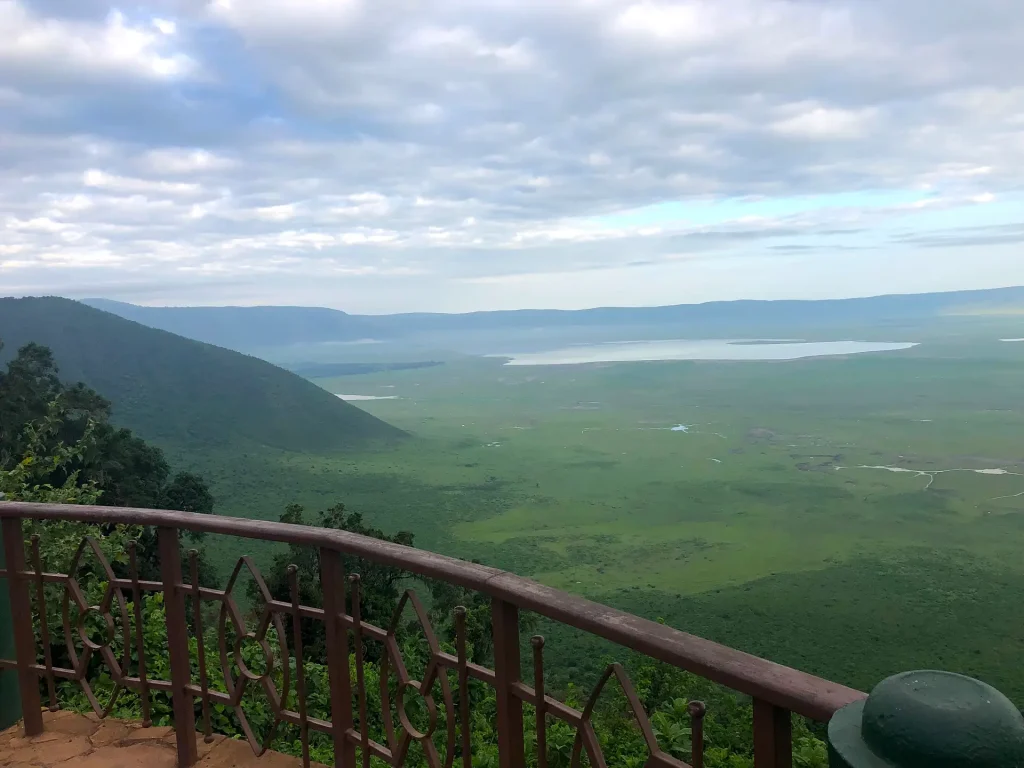
Ngorongoro Crater Wildlife Safari Guide: Explore Tanzania’s Wildlife Paradise
Discover the ultimate Ngorongoro Crater wildlife safari guide. Explore Tanzania’s Big Five, black rhinos, lions, elephants, best travel seasons, photography and safari tips.

The Ngorongoro Crater is one of Tanzania’s most spectacular wildlife destinations and a highlight of any Northern Tanzania safari. Located within the Ngorongoro Conservation Area, this enormous volcanic caldera offers an extraordinary concentration of wildlife, dramatic landscapes, and opportunities to experience the rich cultural heritage of the Maasai people.
Often described as one of Africa’s greatest natural wonders, the Ngorongoro Crater is approximately 20 kilometres wide and around 600 metres deep. Its fertile grasslands, wetlands, woodland and lake environments support an impressive variety of wildlife throughout the year. The Ngorongoro Conservation Area is also a UNESCO World Heritage Site and an important landscape for biodiversity, archaeology and traditional pastoral communities.
For travelers planning a Tanzania wildlife safari, a visit to Ngorongoro Crater provides one of the best opportunities to see large mammals in a relatively compact area. From lions and elephants to buffalo, hippos, wildebeest, zebras and the endangered black rhino, every game drive can bring a new wildlife encounter.
What Makes Ngorongoro Crater Special?
The Ngorongoro Crater was formed by volcanic activity millions of years ago. Today, its enclosed landscape creates a remarkable natural ecosystem where grasslands, forests, swamps and a soda lake provide habitats for numerous animal species.
Unlike many large African safari destinations where wildlife can be spread across enormous areas, the crater offers highly concentrated wildlife viewing. This makes it particularly attractive to travelers who want to experience a memorable Big Five safari in Tanzania.
The Ngorongoro Conservation Area Authority identifies the crater as a major game-drive destination, with wildlife ranging from grazing herbivores to predators that depend on the abundant prey available on the crater floor.
The crater is also much more than a wildlife destination. The wider conservation area combines natural landscapes with Maasai pastoralism and important archaeological discoveries, including sites associated with the history of human evolution. UNESCO notes that archaeological research in the area has produced evidence extending across millions of years.
Wildlife You Can See in Ngorongoro Crater
One of the biggest reasons travelers choose a Ngorongoro Crater safari is the incredible diversity of wildlife.
1. Lions
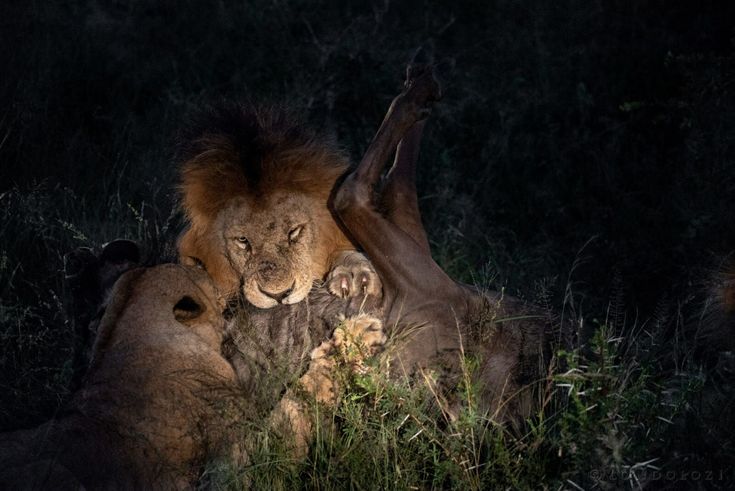
Lions are among the most frequently sought-after animals during a crater game drive. The open grasslands provide excellent opportunities for spotting prides resting, hunting or moving across the plains.
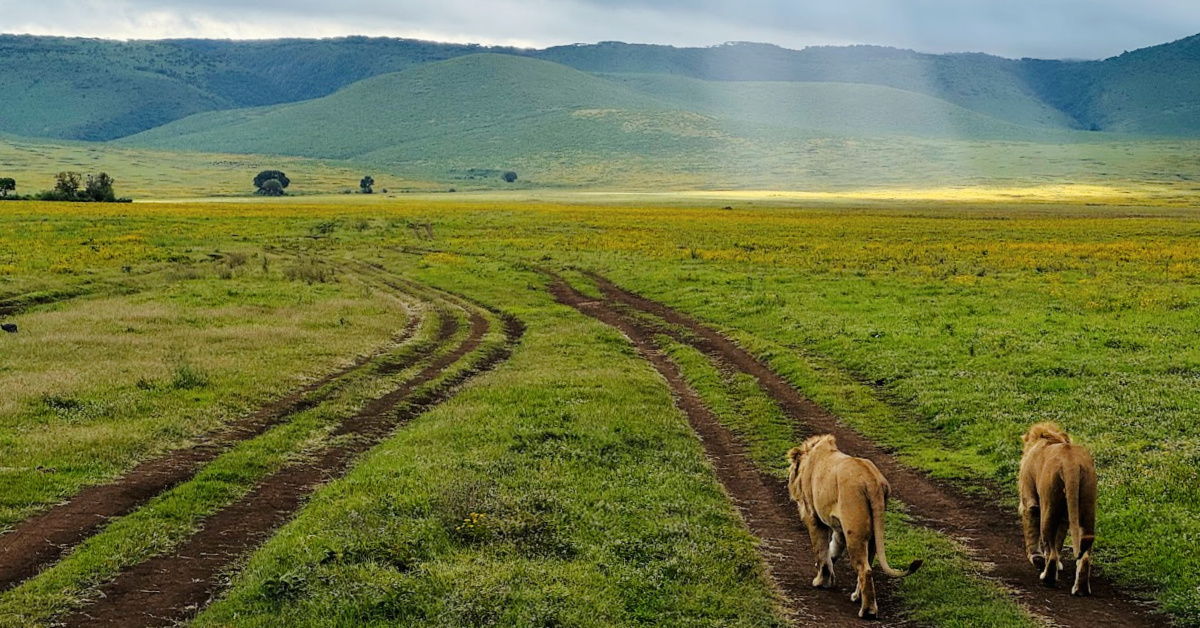
Early morning game drives can be particularly rewarding because predators are often more active when temperatures are cooler.
2. Black Rhinos
The black rhino is one of the most special wildlife sightings in Ngorongoro. The conservation area is an important habitat for this critically endangered species.
Seeing a rhino in the wild is never something that should be treated as guaranteed. However, Ngorongoro is considered one of the important places in northern Tanzania for travelers hoping to encounter these magnificent animals.
3. African Elephants
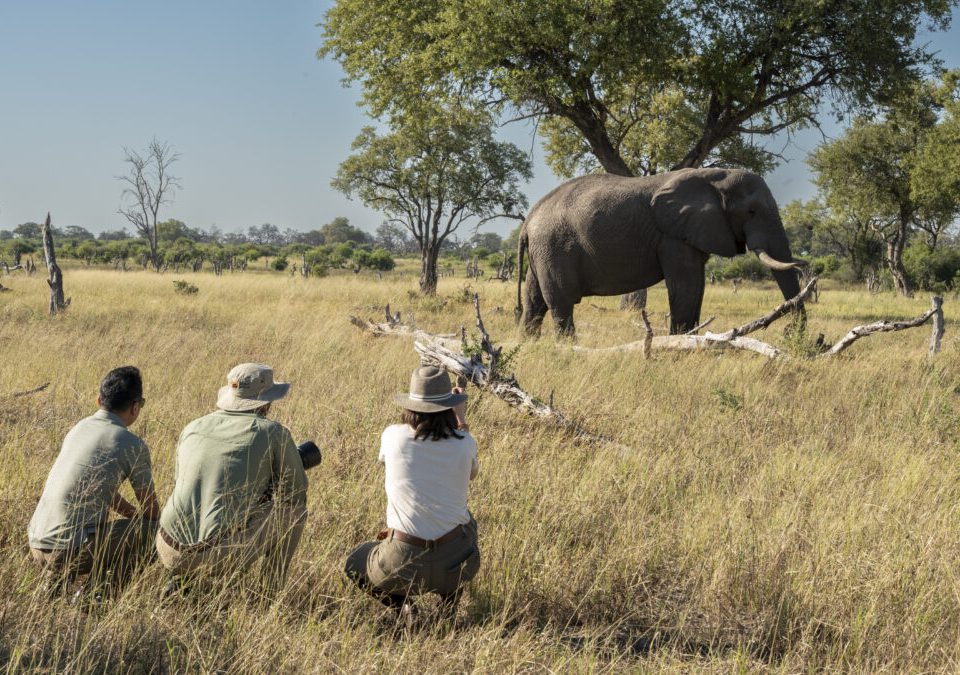
Elephants can be seen in different habitats around the conservation area. On the crater floor, visitors may encounter large individuals moving across the grasslands or near woodland areas.
The sight of an elephant against the backdrop of the crater walls is one of the memorable photographic experiences of a Tanzania safari.
4. African Buffalo
Large herds of buffalo are commonly associated with the crater’s grasslands and wetlands. Their size, strength and social behavior make them fascinating subjects for wildlife photography.
5. Hippos
Hippos can be found around water sources and wetlands within the crater. Their presence adds another dimension to the wildlife experience, particularly when they are resting in water during the heat of the day.
6. Wildebeest and Zebras
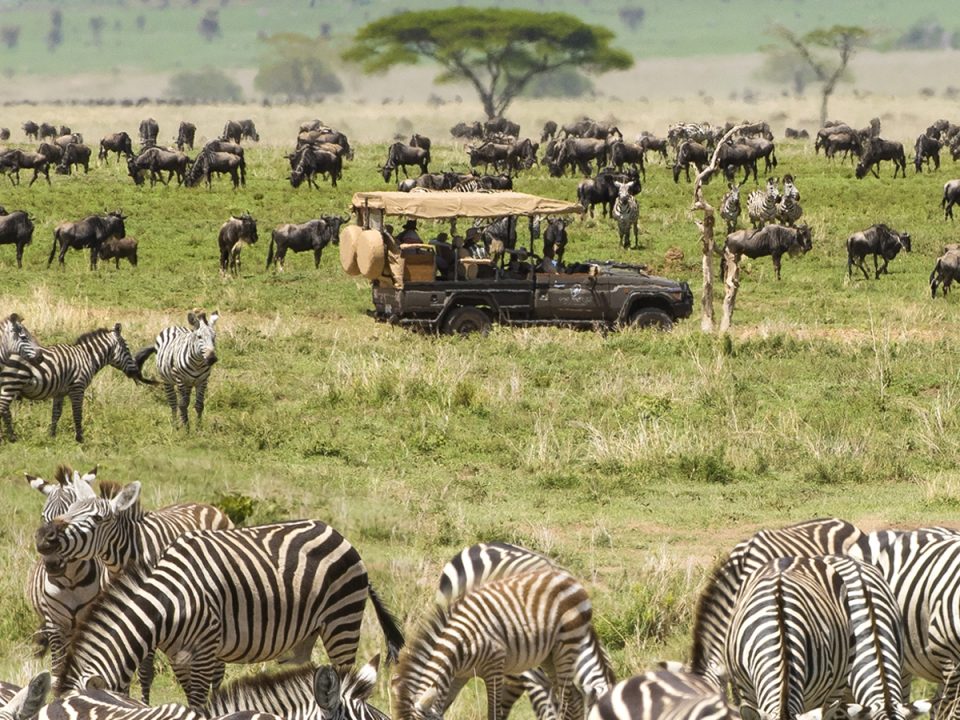
The open grasslands support large numbers of grazing animals, including wildebeest and zebras. Watching these herbivores interact with predators provides a fascinating glimpse into the interconnected nature of the crater ecosystem.
7. Hyenas
Spotted hyenas are important predators and scavengers within the Ngorongoro ecosystem. They are frequently encountered during game drives and can sometimes be observed around predator kills.
8. Gazelles and Other Antelopes
Several antelope species can be encountered across the crater floor, including gazelles and eland. Their abundance helps support the area’s predator population.

The Ngorongoro Conservation Area Authority lists numerous species found in the area, including elephants, lions, rhinos, buffaloes, leopards, hippos, hyenas, zebras, wildebeest, eland, gazelles and warthogs.
Exploring the Ngorongoro Crater Floor
The crater floor is the heart of the Ngorongoro wildlife safari experience. A typical safari involves descending from the crater rim through forested slopes before reaching the open plains below.
The change in scenery is remarkable. The forested highlands gradually give way to grasslands, wetlands and open areas where wildlife is easier to spot.
A knowledgeable safari guide plays an important role here. Rather than simply searching for animals, a good guide can explain animal behavior, identify tracks and calls, interpret the landscape and help travelers understand how the crater ecosystem functions.
Because the crater is a relatively compact wildlife area, visitors can potentially encounter several different species during the same game drive.
Best Time to Visit Ngorongoro Crater
One of the advantages of Ngorongoro Crater is that it can be visited throughout the year.
However, different seasons offer different experiences.
Dry Season
The dry months are generally popular for wildlife viewing because vegetation is shorter and animals can be easier to spot around remaining water sources.
The period from approximately June to October is particularly popular for travelers combining Ngorongoro with the Serengeti and other Northern Tanzania safari destinations.
Green Season
The rainy periods transform the landscape into lush green scenery. This can be an excellent time for photographers and travelers who prefer beautiful landscapes, fewer crowds and vibrant vegetation.
Birdlife can also be particularly rewarding during wetter periods.
Calving and Migration Season
Travelers interested in the Great Migration should consider combining Ngorongoro with the wider Serengeti ecosystem and Ndutu area. The timing of wildlife movements varies according to rainfall and ecological conditions, so a safari itinerary should be planned around the specific migration experience you want.
For a first-time traveler, the best time to visit ultimately depends on whether the priority is wildlife viewing, photography, migration, lower visitor numbers or combining several destinations.
Ngorongoro Crater and the Maasai Culture
A Ngorongoro safari is also an opportunity to learn about the people who have traditionally lived within the conservation landscape.
The Ngorongoro Conservation Area was established as a multiple-use landscape where wildlife conservation exists alongside traditional Maasai pastoralism. UNESCO recognizes this relationship as an important feature of the area.
Visitors may have opportunities to learn about Maasai traditions, livestock keeping, cultural practices and community life.
At Mandrill African Safaris, we encourage travelers to approach cultural experiences respectfully. A meaningful cultural visit should focus on learning, listening and supporting communities rather than simply treating local culture as entertainment.
Ngorongoro Crater Photography Safari
For photographers, Ngorongoro offers an exceptional combination of wildlife and scenery.
The crater rim provides spectacular panoramic views over the caldera, while the crater floor offers opportunities to photograph lions, elephants, rhinos, buffalo, zebras, wildebeest, flamingos and other wildlife.
For the best photography experience:
- Carry a telephoto lens for distant wildlife.
- Bring extra batteries and memory cards.
- Use early morning light whenever possible.
- Keep your camera ready because wildlife encounters can happen quickly.
- Avoid excessive vehicle movement around animals.
- Follow your guide’s instructions and conservation regulations.
- Capture both wildlife and landscapes to tell the complete story of your safari.
The combination of wildlife against the volcanic crater walls creates photographs that are uniquely recognizable as Ngorongoro.
Where to Stay During a Ngorongoro Safari
Accommodation options range from luxury lodges and permanent tented camps to more budget-conscious options and campsites.
Staying near or on the crater rim can be particularly convenient because it allows travelers to descend toward the crater floor early in the morning.
The Ngorongoro Conservation Area Authority lists a range of accommodation options, including lodges, tented camps and public campsites.
Your choice of accommodation should depend on your safari budget, preferred comfort level and itinerary.
How Many Days Do You Need for Ngorongoro?
For travelers focusing specifically on the crater, one full day of game viewing can provide an excellent introduction to Ngorongoro.
However, a longer Northern Tanzania safari allows you to experience the destination as part of a broader wildlife journey.
A popular itinerary could include:
Day 1: Arrival in Arusha
Day 2: Arusha – Tarangire National Park
Day 3: Tarangire – Serengeti National Park
Day 4: Full-day Serengeti game drive
Day 5: Serengeti – Ngorongoro Conservation Area
Day 6: Ngorongoro Crater game drive – Arusha
Day 7: Departure or extension to Zanzibar
Combining Ngorongoro Crater and Serengeti safari provides travelers with contrasting wildlife experiences. Serengeti offers vast open plains and expansive wildlife movements, while Ngorongoro delivers an impressive concentration of animals within a spectacular volcanic setting.
What to Pack for a Ngorongoro Safari
Pack light but prepare for changing temperatures, especially because the Ngorongoro highlands can be considerably cooler than lower-lying safari areas.
Recommended items include:
- Lightweight safari clothing
- Warm fleece or jacket
- Comfortable walking shoes
- Sun hat
- Sunglasses
- Sunscreen
- Insect repellent
- Binoculars
- Camera and spare batteries
- Power bank
- Reusable water bottle
- Personal medication
- Small backpack
Early mornings around the crater rim can be chilly, so a warm layer is highly recommended.
Responsible Tourism in Ngorongoro
The future of Ngorongoro depends on responsible tourism and conservation.
Visitors should respect wildlife, avoid littering, follow designated routes and never pressure guides to approach animals inappropriately. Giving wildlife space helps reduce stress and protects natural behavior.
Travelers should also respect local communities and support tourism practices that contribute positively to conservation and livelihoods.
The Ngorongoro Conservation Area is a remarkable example of a landscape where wildlife, people, natural heritage and archaeology are closely connected.
Why Book Your Ngorongoro Safari with Mandrill African Safaris?
Planning a Tanzania safari can be overwhelming, especially when deciding how many days to spend in Ngorongoro, Serengeti and other destinations.
Mandrill African Safaris can help you design a personalized Tanzania wildlife safari based on your interests, budget and travel schedule.
Whether you are interested in a Big Five safari, wildlife photography, the Great Migration, family travel, honeymoon safaris or a combined Tanzania and Kenya safari, we can help create an itinerary that matches your expectations.
Our safari planning focuses on comfortable accommodation, experienced safari guides, well-planned routes and memorable wildlife experiences.
Final Thoughts
A Ngorongoro Crater wildlife safari is much more than a game drive. It is an opportunity to explore one of Africa’s most remarkable volcanic landscapes while encountering some of the continent’s most iconic wildlife.
From lions and elephants to black rhinos, buffalo, hippos, zebras and wildebeest, the crater offers an extraordinary concentration of wildlife. Its spectacular scenery, Maasai cultural heritage and connection to the wider Serengeti ecosystem make it an essential destination for anyone planning a Tanzania safari.
If you are dreaming of seeing the Big Five, photographing wildlife beneath dramatic volcanic landscapes or combining Ngorongoro with the Serengeti and other Northern Tanzania destinations, Mandrill African Safaris can help turn that dream into an unforgettable African adventure.
Plan your Ngorongoro Crater safari with Mandrill African Safaris and discover the wildlife, landscapes and culture of Tanzania.