

Exploring the Biodiversity of the Rwenzori Mountain Foothills
2026-02-12
The Hidden Secrets of Lake Bunyonyi’s Birdlife
2026-02-12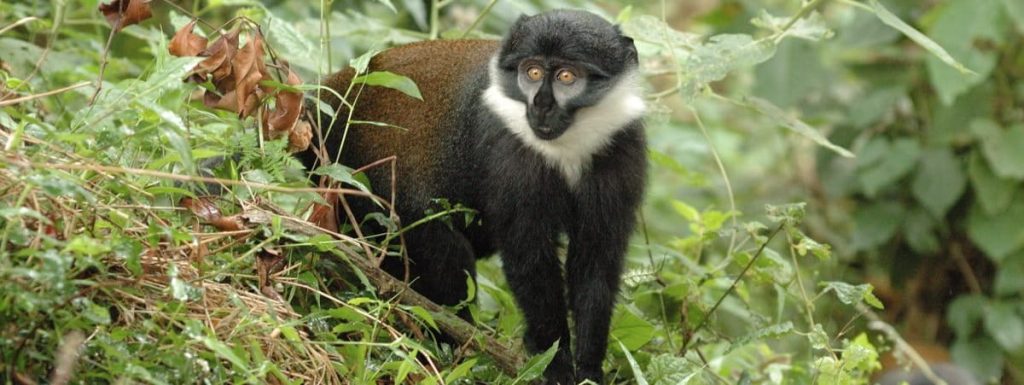
Wildlife on the Edge: The Unique Ecosystems of the Albertine Rift
Explore the extraordinary wildlife and rich ecosystems of the Albertine Rift, one of Africa’s most biodiverse landscapes. From endangered mountain gorillas to endemic birds, discover why the Rift is a bucket-list safari destination with Mandrill African Safaris.
Stretching across the verdant landscapes of Uganda, Rwanda, the Democratic Republic of Congo, Burundi, and Tanzania, the Albertine Rift stands as one of Africa’s most fascinating ecological treasures. More than just a geological feature formed by tectonic plates pulling the continent apart millions of years ago, the Rift is a biodiversity hotspot — a living mosaic of forests, mountains, swamps, lakes, and valleys that host some of the world’s most unique wildlife and endemic species.
In this blog, we’ll explore the Rift’s rich ecosystems, the wildlife that calls them home, why this region is critical for global conservation, and how Mandrill African Safaris brings these natural wonders to life for adventurous travelers.
What Makes the Albertine Rift So Unique?
The Albertine Rift is the western arm of the East African Rift system — a dramatic fracture in the Earth’s crust that has shaped dramatic terrain, altitudinal gradients, and isolated habitats. This unique geography has created a patchwork of ecosystems, from glacier-tipped peaks above 5,000 meters to lush montane forests, bamboo groves, wetlands, and lowland swamps.
It’s this variety of habitats that makes the Albertine Rift a biodiversity powerhouse:
-
Over 1,000 bird species, including scores of endemic and restricted-range birds.
-
More than 400 mammal species, including world-renowned primates.
-
Rich amphibian and reptile communities, with numerous Albertine Rift-specific frogs and reptiles.
-
Hundreds of unique plant species found nowhere else on Earth.
This incredible biological diversity means the Rift represents more than just wild places — it’s an evolutionary treasure chest where nature has experimented with life in ways that fascinate scientists and safari lovers alike.
Montane Forests & Afro-Montane Highlands
Cradles of Evolution and Endemism
The montane forests and highland regions — including Bwindi Impenetrable Forest, the Virunga Volcanoes, Nyungwe Forest, and the Rwenzori Mountains — are the heart of the Albertine Rift’s ecological complexity. These mist-shrouded forests support ecosystems found nowhere else on the planet.
Bwindi Impenetrable Forest, for example, is an ancient Afromontane rainforest with staggering biodiversity. Its steep valleys and elevated ridges create microhabitats that allow rare plants, invertebrates, and mammals to thrive. Bwindi alone hosts globally significant biodiversity ranging from orchids and butterflies to primates and birds.
Across these forests, altitudinal bands influence plant and animal communities:
-
Lowland and submontane forests host lush vegetation and a high diversity of butterfly species.
-
Mid-elevation montane forests shelter endemic birds and mammals specially adapted to cooler, wetter conditions.
-
Bamboo and elfin forests near treeline give way to alpine meadows and heathlands that are uncommon elsewhere in Africa.
These gradients are not just scenic — they are ecological highways for wildlife movement and speciation.
Flagship Wildlife of the Rift
The Albertine Rift is a wildlife enthusiast’s dream because it’s home to a host of flagship and endemic species that define Africa’s eastern wilds:
Mountain Gorillas — Giants in the Mist
Perhaps the most iconic resident of the Rift is the mountain gorilla (Gorilla beringei beringei), a critically endangered species that draws travelers from around the world. These gentle giants are found in the Virunga Massif and Bwindi Impenetrable Forest — both part of the Albertine Rift’s rich tapestry.
Tracking habituated gorilla families offers an unforgettable wildlife encounter — making eye contact with a silverback or watching infants play among mossy trees is something few journeys can rival.
Golden Monkeys, Chimpanzees & Primate Diversity
Beyond gorillas, the Rift’s forests are alive with primate life:
-
Golden monkeys with their vibrant coats swing through bamboo forests.
-
Eastern chimpanzees cavort in forest clearings.
-
Smaller primate species like L’Hoest’s monkey and Rwenzori colobus add depth to the primate community.
Each offers extraordinary opportunities for wildlife watching and photography.
Endemic and Rare Birds — A Birder’s Paradise
Birdwatchers will feel they’ve hit the jackpot in the Albertine Rift:
-
The Rwenzori Turaco dazzles with vibrant plumage.
-
The African green broadbill, rare and elusive, inhabits dense forest understory.
-
Rare species like the Congo Bay Owl — with its haunting calls — excite serious birders.
Across the Rift’s forests, over 40 bird species are endemic — not found anywhere else on the continent.
Beyond Mammals: Amphibians, Reptiles & Butterflies
The Albertine Rift’s biodiversity isn’t limited to big mammals and birds. Its forests and wetlands support:
-
Unique amphibians like the Albertine Rift reed frog (Hyperolius discodactylus), adapted to montane waters.
-
Distinct reptile species restricted to highland forests.
-
Over 100 endemic butterfly species, representing a fourth of Africa’s butterfly genera in some estimates.
These smaller creatures are vital parts of ecosystem functioning — pollinating flowers, recycling nutrients, and supporting food webs.
Ecosystems in Balance: Forests, Wetlands & Lakes
The Rift’s ecological diversity is deeply tied to the interplay of habitats:
Montane Forests & Bamboo Zones
These zones cushion soils and regulate hydrology, maintaining moisture regimes that sustain wildlife year-round.
Wetlands & Papyrus Swamps
Wetlands act as ecological filters and breeding grounds for birds, amphibians, and fish alike. In places like Semuliki National Park, swamp forests are hotspots for rare bird sightings, from dwarf honeyguides to long-tailed hawks.
Lakes & Aquatic Life
Lakes such as Lake Albert provide rich aquatic ecosystems where hippos, Nile crocodiles, and a variety of fish species thrive. Water birds dot the reedbeds, and the shimmering waters reflect Africa’s wild heart.
Together, these habitats form a web of life where terrestrial and aquatic ecosystems merge in vibrant harmony.
Threats and the Importance of Conservation
Despite its biological richness, the Albertine Rift faces ongoing threats. Expanding agriculture, human settlement, and forest clearing have led to significant habitat loss — especially at lower elevations.
Climate change and receding glaciers in the Rwenzori Mountains also pose long-term risks to alpine ecosystems.
Conservation efforts — driven by governments, NGOs, local communities, and responsible safari operators — are critical for the Rift’s future. Mandrill African Safaris partners with conservation initiatives that promote sustainable tourism, local livelihoods, and wildlife protection.
Why Visit the Albertine Rift with Mandrill African Safaris?
With Mandrill African Safaris, exploring the Albertine Rift becomes more than a trip; it’s an immersive journey into the heart of Africa’s most biodiverse landscapes:
 Expert-led guided tours connect you with wildlife naturalists and trackers who know these ecosystems intimately. Custom safari itineraries tailor wildlife experiences to your interests — whether gorillas, birds, or rare ecosystem walks. Eco-responsible travel ensures your visit supports conservation and local communities. Comfort and adventure combined, from wilderness camps to luxury lodges nested at forest edges.
Let your adventure begin where wild wonders still reign.
Frequently Asked Questions (FAQs)
1. What is the Albertine Rift?
The Albertine Rift is the western arm of the East African Rift System and one of Africa’s richest biodiversity hotspots, spanning several countries and featuring diverse ecosystems from mountains to wetlands.
2. Which animals are endemic to the Albertine Rift?
Endemic species include mountain gorillas, golden monkeys, unique primate species, endemic birds like the Rwenzori Turaco, and hundreds of butterfly and plant species.
3. Where can I see mountain gorillas in the Rift?
Mountain gorillas are found in the Virunga Massif and Bwindi Impenetrable Forest — both part of the Albertine Rift ecosystem.
4. What makes the Rift a top destination for birdwatching?
With over 1,000 bird species and numerous endemic and restricted-range birds, the Rift is recognized as an Endemic Bird Area of global importance.
5. How does tourism support conservation in the Albertine Rift?
Responsible tourism generates funding for protected areas, supports local economies, and raises awareness of conservation challenges — all vital for maintaining the Rift’s unique ecosystems.—


