


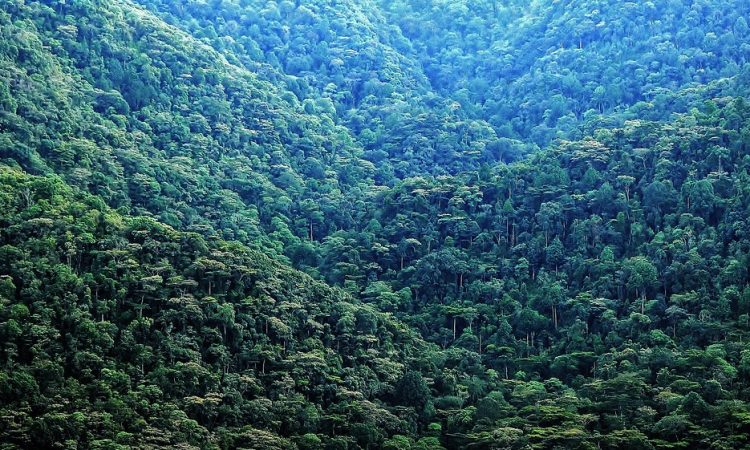
Why Bwindi Impenetrable Forest Is a UNESCO World Heritage Site
Discover why Bwindi Impenetrable Forest is a UNESCO World Heritage Site. Learn about gorilla trekking in Uganda, biodiversity, conservation efforts, and why Bwindi is Africa’s top safari destination with Mandrill African Safaris.
Uganda is often called the “Pearl of Africa,” but there is one place that truly defines its natural beauty and global importance — Bwindi Impenetrable Forest. Located in southwestern Uganda along the edge of the Albertine Rift Valley, this ancient rainforest is not just famous for gorilla trekking. It is internationally recognized as a UNESCO World Heritage Site, a title reserved for places of exceptional natural or cultural value to humanity.
But what exactly makes Bwindi deserve this prestigious status?
Let’s explore why this remarkable rainforest stands among the world’s most protected and celebrated natural treasures.
1. Recognized by UNESCO for Outstanding Universal Value
In 1994, UNESCO officially inscribed Bwindi as a World Heritage Site. The recognition was based on its:
-
Exceptional biodiversity
-
Unique ecological systems
-
Critical role in protecting endangered species
-
Ancient rainforest ecosystem
Bwindi represents one of Africa’s most biologically diverse forests and is considered one of the continent’s most important conservation areas.
Being a UNESCO site means the forest is not only important to Uganda — it is important to the entire world.
2. Home to Nearly Half of the World’s Mountain Gorillas
The biggest reason many travelers visit Bwindi is to experience gorilla trekking in Uganda. The forest protects nearly half of the world’s remaining population of the endangered mountain gorilla.
These incredible primates live only in two places:
-
Bwindi Impenetrable National Park
-
Virunga Mountains
Bwindi alone hosts over 20 habituated gorilla families open for tourism. Seeing a mountain gorilla in its natural habitat is not just a safari activity — it is a life-changing wildlife encounter.
The conservation of these gorillas is one of the strongest reasons UNESCO protects Bwindi. Without strict preservation, mountain gorillas could face extinction.
3. An Ancient Rainforest Over 25,000 Years Old
Bwindi is one of the oldest rainforests in Africa, estimated to have survived the last Ice Age over 25,000 years ago. This makes it a rare ecological treasure.
Because of its age, the forest contains:
-
Rare plant species
-
Unique tree varieties
-
Ancient ecological systems
-
Species that exist nowhere else on Earth
This continuous forest ecosystem allows scientists to study evolution, climate adaptation, and biodiversity patterns that have existed for thousands of years.
4. Exceptional Biodiversity in the Albertine Rift
Bwindi lies within the Albertine Rift, one of Africa’s most important biodiversity hotspots. The forest is home to:
-
Over 120 mammal species
-
350+ bird species
-
220+ butterfly species
-
300+ tree species
Some of the rare wildlife found in Bwindi include:
-
Mountain Gorilla
-
African Green Broadbill
-
L’Hoest’s Monkey
Bird watchers consider Bwindi one of the best birding destinations in Africa, especially for Albertine Rift endemic species.
The combination of mammals, birds, reptiles, and plant life makes Bwindi one of the most biologically rich forests in the world.
5. Critical Role in Global Conservation
The conservation model in Bwindi is a global success story. Through collaboration between:
-
Uganda Wildlife Authority
-
Local communities
-
Conservation NGOs
-
Responsible tour operators like Mandrill African Safaris
The forest has become a leading example of sustainable tourism and wildlife protection.
Gorilla trekking permits generate revenue that supports:
-
Ranger patrols
-
Anti-poaching initiatives
-
Community development projects
-
Conservation research
This balance between tourism and protection is one reason UNESCO continues to value Bwindi.
6. Cultural Significance and Indigenous Heritage
Beyond wildlife, Bwindi holds cultural importance. The forest was once home to the indigenous Batwa pygmy communities, who lived sustainably within it for centuries.
Although the Batwa were relocated to protect the forest ecosystem, cultural tourism experiences today allow visitors to learn about:
-
Traditional forest survival skills
-
Indigenous knowledge systems
-
Cultural dances and storytelling
The connection between nature and culture adds to Bwindi’s universal significance.
7. Unique Landscape and Dramatic Terrain
The word “Impenetrable” is not just poetic — it describes the thick vegetation, steep hills, deep valleys, and mist-covered ridges that make the forest both mysterious and breathtaking.
The landscape features:
-
Elevations ranging from 1,160 to 2,607 meters
-
Dense canopy cover
-
Waterfalls and forest streams
-
Misty mountain views
The dramatic terrain supports different vegetation zones, which increases biodiversity and ecological complexity.
8. Gorilla Trekking: A Sustainable Tourism Model
Gorilla trekking in Bwindi is strictly regulated:
-
Limited permits per day
-
Small trekking groups
-
One hour maximum with gorillas
-
Strict health and distance guidelines
This ensures minimal disturbance to the animals while generating maximum conservation benefit.
Travelers who book with experienced operators like Mandrill African Safaris enjoy:
-
Professional safari guides
-
Permit arrangements
-
Luxury, mid-range, or budget lodges
-
Responsible and ethical tourism practices
This careful management supports why Bwindi maintains UNESCO status.
9. A Key Pillar of Uganda Safari Tourism
Bwindi Impenetrable Forest is the highlight of most Uganda wildlife safaris. It is often combined with visits to:
-
Queen Elizabeth National Park
-
Lake Bunyonyi
-
Mgahinga Gorilla National Park
This makes Bwindi not only a conservation icon but also an economic driver for southwestern Uganda.
10. Why Bwindi Matters to the World
UNESCO sites represent the best of our planet. Bwindi qualifies because it:
-
Protects endangered species
-
Preserves ancient ecosystems
-
Supports scientific research
-
Demonstrates sustainable tourism
-
Balances conservation and community involvement
In a world where forests are disappearing, Bwindi stands as a symbol of hope.
Why Visit Bwindi with Mandrill African Safaris?
At Mandrill African Safaris, we specialize in customized gorilla trekking safaris in Bwindi. Our packages include:
-
Gorilla permit booking
-
Luxury eco-lodges
-
Private safari vehicles
-
Experienced English-speaking guides
-
Cultural experiences with local communities
We ensure your safari is not only memorable but also contributes to conservation.
FAQs About Bwindi Impenetrable Forest
1. Why is Bwindi Impenetrable Forest a UNESCO World Heritage Site?
Bwindi was designated a UNESCO World Heritage Site due to its exceptional biodiversity, ancient rainforest ecosystem, and protection of endangered mountain gorillas.
2. How many mountain gorillas live in Bwindi?
Bwindi is home to nearly half of the world’s remaining mountain gorillas, with over 20 habituated families available for trekking.
3. When is the best time to visit Bwindi for gorilla trekking?
The best time for gorilla trekking in Uganda is during the dry seasons: June to September and December to February.
4. How much does a gorilla trekking permit cost in Uganda?
A Uganda gorilla trekking permit currently costs $800 per person (subject to change by Uganda Wildlife Authority).
5. Is Bwindi safe for tourists?
Yes. Bwindi is safe for tourists. Gorilla trekking is conducted under the supervision of trained rangers and armed guides from the Uganda Wildlife Authority.
6. Can Bwindi be combined with other safari destinations?
Yes. Bwindi is commonly combined with Queen Elizabeth National Park, Lake Bunyonyi, and Mgahinga Gorilla National Park for a complete Uganda safari experience.
Final Thoughts
Bwindi Impenetrable Forest is not just a safari destination — it is a global conservation treasure. Its UNESCO World Heritage status recognizes its unmatched biodiversity, endangered mountain gorillas, ancient rainforest ecosystem, and commitment to sustainable tourism.
For travelers seeking an unforgettable gorilla trekking experience in Uganda, Bwindi offers something rare: a chance to stand face-to-face with one of humanity’s closest relatives in one of the world’s most pristine forests.
And when you travel with Mandrill African Safaris, you become part of that conservation story.


