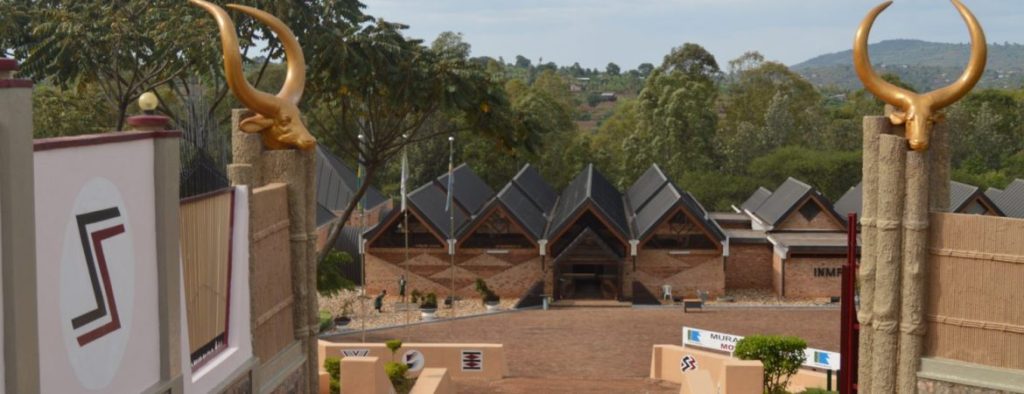
Which Museums to Visit in Rwanda?
Exploring Rwanda’s museums offers a powerful blend of culture, history, and art—perfect for visitors seeking depth beyond its famous wildlife. Whether you’re a safari planner with Mandrill African Safaris or simply curious, here’s your carefully curated guide to Rwanda’s top museums, designed with SEO-ready headings, keywords, and rich detail.
1. Ethnographic Museum (National Museum of Rwanda), Huye/Butare
Begin your journey into Rwanda’s cultural heart at the Ethnographic Museum, Rwanda’s oldest and most comprehensive cultural institution. Gifted by Belgium’s King Baudouin in the late 1980s, it’s recognized as one of Africa’s finest ethnographic collections.
Spanning seven galleries, visitors move from geological and geographical exhibits to fascinating artifacts—ranging from tools of agriculture, hunting, weaving, and pottery to traditional clothing and deep cultural rituals.
Pro tip: This museum lies about 132 km south of Kigali, an ideal cultural stopover on the road to Nyungwe Forest.
2. King’s Palace Museum, Nyanza
Just 85–88 km from Kigali, the reconstructed King’s Palace Museum showcases Rwanda’s royal heritage. Once the residence of King Mutara III Rudahigwa, the thatched beehive-style palace brings traditional architecture to life.
Don’t miss the regal Inyambo cattle—long-horned descendants tied to royal ceremonies—and the neighboring mausoleum of King Mutara III and Queen Rosalie Gicanda.
3. Kandt House Museum (Museum of Natural History), Kigali
Located centrally in Kigali on Nyarugenge Hill, the Kandt House Museum occupies the historic home of Germany’s first colonial governor, Richard Kandt, built in 1908. Its three thematic sections spotlight pre-colonial life, German colonial history, and Kaggle’s development as the nation’s capital. A standout attraction: live reptiles—snakes like cobras and pythons—offering a unique natural history immersive experience.
4. Rwanda Art Museum (Former Presidential Palace), Kigali
This modern, evolving museum once served as the Presidential Palace but now presents contemporary works from Rwanda and abroad, blending tradition with modern creativity. Inside, visitors explore dynamic exhibitions, while outside lies a poignant relic—the crash site debris from the 1994 presidential jet that became the spark of the genocide.
5. Kigali Genocide Memorial (Gisozi Memorial Centre)
A profoundly moving site, the Kigali Genocide Memorial houses the remains of over 250,000 victims and serves a dual purpose of remembrance and education.
Its exhibits document the genocide’s horrors, historical context, judicial aftermath, and survivor testimonies through audiovisual materials and thoughtful layouts—even a children’s memorial.
6. Campaign Against Genocide Museum, Kigali
Housed within Rwanda’s parliamentary building, this museum narrates how the Rwanda Patriotic Army (RPA) launched a rescue campaign during the genocide, emphasizing resistance and liberation efforts.
Highlights include a rooftop-mounted machine gun showcasing the heroism of soldiers who fought genocide in the absence of UN protection.
7. Nyamata Genocide Memorial Centre
About 30 km south of Kigali, this memorial is based around a former church where nearly 10,000 Tutsi sought refuge but were tragically slaughtered. It now honors and houses the remains of 50,000 victims
The site is a UNESCO World Heritage designated memorial, revered for its historical and emotional weight.
8. Optional Gems: Museum of the Environment & National Liberation Museum Park
Museum of the Environment, near Lake Kivu, is Africa’s first such museum, celebrating renewable and non-renewable energy sources, rooftop herbal gardens, and environmental education
National Liberation Museum Park in Gicumbi District (Northern Province) recounts the RPF/RPA liberation struggle leading up to the end of the genocide
Target Keywords: Museums in Rwanda, Rwandan cultural museums, Kigali museums, Rwanda museum tour, Mandrill African Safaris cultural heritage.
Engaging Subheadings: Use numbered and bold headings for clarity and structure.
Internal Linking: Link each museum entry to relevant safari routes (e.g., King’s Palace on the way to Nyungwe or Ethnographic Museum en route to gorilla trekking).
Local SEO: Reference Kigali, Huye, Nyanza, Gisozi, Nyamata with Rwandan context and distances from major safari hubs.
Call-to-Action: Encourage readers to combine cultural exploration with wildlife packages—”Extend your Mandrill African Safaris journey beyond the jungle with these enriching museum detours.”
Summary Table: Rwanda’s Must-See Museums
| Museum | Location | Highlights |
|---|
| Ethnographic Museum | Huye/Butare | Deep cultural artifacts in 7 galleries |
| King’s Palace Museum | Nyanza | Royal life, architecture, Inyambo cattle |
| Kandt House Museum | Kigali | Natural history, colonial heritage, reptiles |
| Rwanda Art Museum | Kigali | Contemporary art, presidential jet relic |
| Kigali Genocide Memorial | Kigali (Gisozi) | Memorial and education center for genocide |
| Campaign Against Genocide | Kigali (Parliament) | Liberation campaign story, RPA artifacts |
| Nyamata Genocide Memorial | Nyamata | Victim remains in former church, UNESCO site |
| Museum of the Environment | Lake Kivu region | Ecological exhibits and herbal gardens |
| National Liberation Museum | Gicumbi District | Story of liberation struggle during genocide |
Final Thoughts
Rwanda’s museums are not just storages of artifacts—they’re immersive gateways into culture, heritage, resilience, and creativity. From the vibrant galleries at the Rwanda Art Museum to the solemn halls of Kigali Genocide Memorial, each site layers depth to your safari experience.
By weaving these museum visits into safari itineraries, Mandrill African Safaris can showcase a narrative of Rwanda that’s as multifaceted as it is awe-inspiring.