

The Role of the Sitatunga Antelope in Uganda’s Wetlands
2026-02-06
Understanding the Behavior of Uganda’s Tree Pangolins:
2026-02-09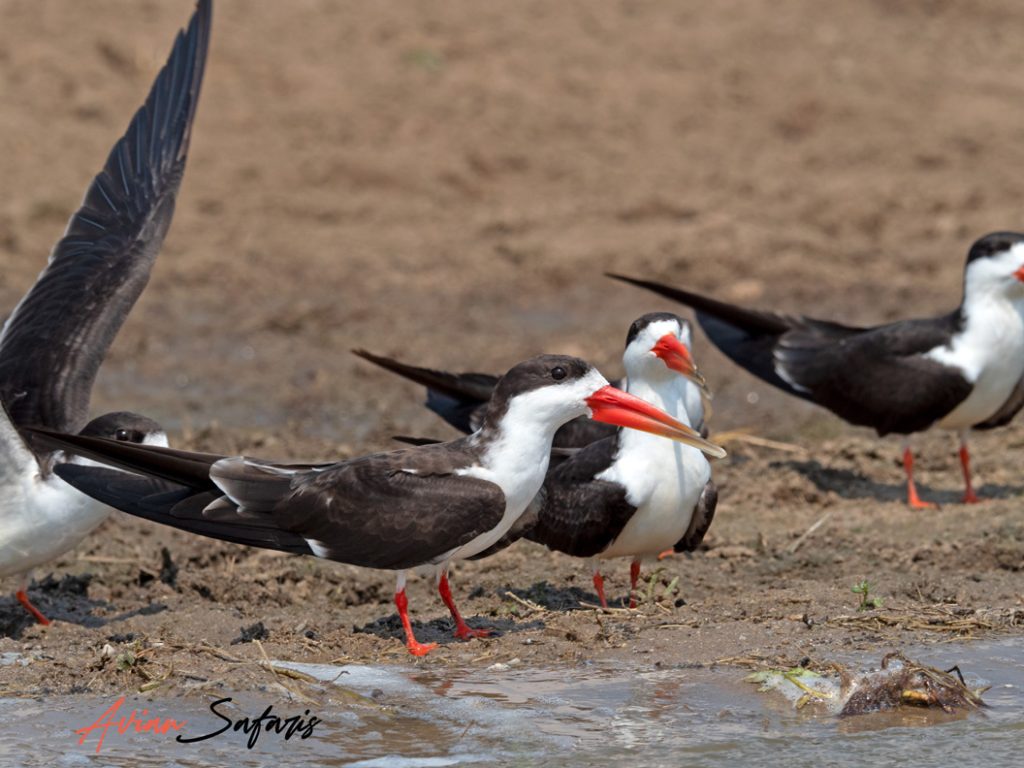
Where to Find the Rare African Skimmer in Uganda: The Ultimate Birding Guide with Mandrill African Safaris
Discover where to find the rare African Skimmer in Uganda with Mandrill African Safaris. Learn the best birding hotspots, when to go, local tips, conservation insights, and complete expert travel advice for wildlife lovers.
Introduction
If you’re a passionate birder or an adventurous wildlife lover, the African Skimmer (Rynchops flavirostris) is a must‑see species on your bucket list. Known for its unusual feeding behavior—skimming the water’s surface at dusk and dawn with its lower mandible slicing through the water—the African Skimmer is one of Uganda’s rarest and most spectacular birds.
At Mandrill African Safaris, we specialize in custom wildlife and bird watching tours across Uganda, and one of our most sought‑after experiences is chasing down this remarkable avian gem. In this comprehensive guide, we’ll explore where to find the African Skimmer in Uganda, the best times to visit, wildlife photography tips, and how to plan a successful birding safari.
What Makes the African Skimmer Special?
The African Skimmer belongs to the Rynchopidae family and is instantly recognizable for its striking black and white plumage and extraordinary feeding technique. Unlike most birds, it flies low over calm water with its long lower bill dipped into the surface to catch small fish and aquatic insects.
Key Facts About African Skimmers:
-
Scientific Name: Rynchops flavirostris
-
Distinctive Feature: Elongated lower mandible for skimming
-
Habitat: Riverbanks, sandbars, and lakeshores
-
Behavior: Crepuscular (most active at sunrise and sunset)
-
IUCN Status: Near Threatened due to habitat loss
The combination of rarity, beauty, and unique behavior makes the African Skimmer a premium sighting on any Uganda birding safari.
Top Birding Spots in Uganda to Find the African Skimmer
Uganda is a birding paradise with over 1,100 species recorded, and while the African Skimmer isn’t widespread, there are specific hotspots where sightings are more consistent. Here are the best locations that Mandrill African Safaris includes in tailored itineraries.
1. Murchison Falls National Park – Victoria Nile


Why This Spot Works:
-
Wide sandbars for roosting and feeding
-
Morning and evening light ideal for bird activity
-
Rich aquatic life attracts skimmers and other waterbirds
Best Time to Go:
December to March and June to September (dry seasons), when water levels are lower and feeding activity peaks.
Tips from Mandrill African Safaris Guides:
-
Arrive at the riverbank at least 1 hour before sunrise for early feeding action.
-
Use binoculars with a wide field of view to scan sandbars.
-
Local fishermen can sometimes help spot skimmers.
2. Lake Albert Shorelines
Lake Albert’s extensive shoreline provides another excellent habitat for African Skimmers. While sightings here are less guaranteed than at the Nile, the expansive shallow bays and delta areas still make it a worthwhile stop on a comprehensive birding route.
Birding Highlights Around Lake Albert:
-
African Skimmer
-
Pelicans and herons
-
African Fish Eagle
-
Squacco Heron
When to Visit:
Dry seasons when lake levels are stable and water clarity improves.
3. Queen Elizabeth National Park – Rivers and Lakeshores
Queen Elizabeth National Park might be best known for its tree‑climbing lions and hippo‑strewn waterways, but sections of this park, especially near the Kazinga Channel, can also produce sightings of African Skimmers—particularly during low water levels.
Walk the shores at first light or glide quietly in a boat for your best chance.
When is the Best Time to See African Skimmers in Uganda?
Understanding bird behavior and seasonal cycles is key to planning a successful sighting.
Optimal Seasons:
-
Dry Season (December–March & June–September):
Lower river and lake levels concentrate fish and create expansive sandbars—prime conditions for skimmers.
Daily Timing:
-
Early Morning (06:00–09:00): Best light and feeding frenzy.
-
Late Afternoon (16:00–18:30): Increased activity as birds prepare to roost.
Birding Tips for Photographing the African Skimmer
For wildlife photographers and Instagram‑ready shots, capturing African Skimmers in action is thrilling but challenging. Here are pro tips from the Mandrill African Safaris team:
Equipment Suggestions:
-
Telephoto Lens (400mm+): Essential for detail‑rich shots.
-
Fast Shutter Speed: Birds skim quickly; 1/2000s+ recommended.
-
Tripod or Monopod: Stabilizes heavy lenses during long waits.
Best Practices:
-
Anticipate Movement: Learn typical flight patterns.
-
Shoot in Burst Mode: Increases chances of capturing a perfect moment.
-
Use Natural Light: Golden hour provides soft light and rich colors.
Even if you’re a beginner photographer, our experienced guides help you position for top shots and share local insights.
Conservation Status and Local Efforts
The African Skimmer is currently listed as Near Threatened by the IUCN. Its habitats—riverbanks and lakeshores—are vulnerable to changes from:
-
Water extraction
-
Agriculture expansion
-
Sand mining
-
Climate impacts
Mandrill African Safaris partners with local conservation programs and communities to support sustainable birding tourism that benefits both wildlife and people.
How You Can Help:
-
Respect feeding and nesting areas
-
Decline to use drones near skimmers
-
Support local conservation initiatives
-
Choose responsible tour operators like Mandrill African Safaris
Why Choose Mandrill African Safaris for Your Birding Adventure
We craft customized safari itineraries that match your interests, pace, and comfort level—whether you’re an expert birder or a nature‑loving traveler.
What Sets Us Apart:
 Local expertise with Uganda bird species Tailor‑made itineraries for rare bird watching Experienced guides with birding and wildlife knowledge Flexible schedules tuned to wildlife behavior Responsible conservation practices
Whether you want a short birding stop or a full‑blown birding expedition across Uganda’s best habitats, we design it for you.
Sample 7‑Day Uganda Birding Safari with African Skimmer Focus
Here’s an example of how we structure a birding‑optimized itinerary centered around the African Skimmer:
Day 1 – Arrival in Entebbe
Meet and greet, briefing, and bird walk at Lake Victoria shore.
Day 2 – Transfer to Murchison Falls National Park
Afternoon birding by Victoria Nile.
Day 3 – Full Birding Day at Victoria Nile
Sunrise African Skimmer watch + evening photography session.
Day 4 – Travel to Lake Albert & Shoreline Birding
Look for skimmers, herons, and fish eagles.
Day 5 – Queen Elizabeth National Park – Kazinga Channel
Boat cruise + bird walk.
Day 6 – Local Wetlands + Community Visit
Search for skimmers and support local bird conservation.
Day 7 – Return to Entebbe & Departure
Ask us about adding chimpanzee trekking, cultural visits, and other wildlife viewing to your birding safari!
Frequently Asked Questions (FAQs)
Q: Are African Skimmers easy to spot in Uganda?
A: While not abundant like some waterbirds, targeted birding near the Victoria Nile and Lake Albert shorelines during the dry season significantly increases sighting chances. Our guides know the best spots and times for successful sightings.
Q: What other rare birds can I see on a Uganda birding safari?
A: Uganda is home to over 1,100 bird species, including the Shoebill, Abyssinian Ground Hornbill, and African Finfoot. A tailored tour can prioritize your must‑see list.
Q: Do I need special gear to see African Skimmers?
A: A good pair of binoculars is a must; photographers may want telephoto lenses. Guides can help position you for optimal viewing.
Q: Can children enjoy birding safaris?
A: Absolutely! Birding is a family‑friendly activity, and children often delight in spotting colorful and unusual birds.
Q: Is the African Skimmer migratory in Uganda?
A: The African Skimmer is mostly resident but can shift locally depending on water levels and food availability.
Q: How do I book a birding safari with Mandrill African Safaris?
A: Reach out through our Contact page or email us directly to customize your itinerary, pick dates, and plan accommodations.
Final Thoughts
Uganda’s richness as an avian hotspot makes it a dream destination for bird watchers around the world. And among its avian treasures, the African Skimmer stands out for its elegance and rarity. Whether you’re ticking a life bird off your list or immersing yourself in Africa’s natural wonders, Mandrill African Safaris will help you make unforgettable memories tracking this extraordinary species.


