


What to Read Before Your Gorilla Trek: A Complete Guide for First-Time Trekkers
Planning a gorilla trekking safari in Uganda or Rwanda? Discover what to read before your gorilla trek, including preparation tips, permits, safety guidelines, and wildlife insights with Mandrill African Safaris.
Introduction
Gorilla trekking is one of the most extraordinary wildlife experiences on Earth. Walking through dense forests, guided by expert trackers, and finally standing just meters away from a family of mountain gorillas is a moment that stays with travelers forever. However, before you embark on this unforgettable adventure, it helps to understand what to expect and how to prepare.
At Mandrill African Safaris, we often advise travelers to do some essential reading before their gorilla trek. Knowing the basics about mountain gorillas, trekking rules, physical preparation, and conservation efforts will help you enjoy the experience even more.
Understanding Mountain Gorillas
Before your trek, it’s important to learn about Mountain Gorilla, the gentle giants you will encounter. These primates are one of the most endangered species in the world and live only in a few protected forests in Central and East Africa.
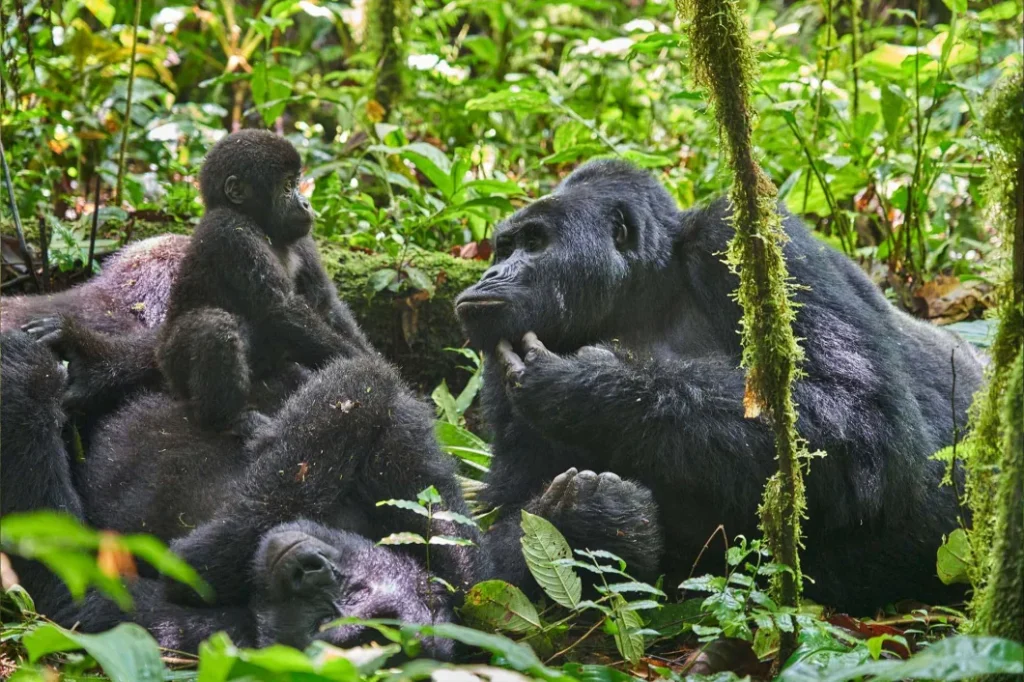
Mountain gorillas live in family groups led by a dominant silverback. These families can include several females, young gorillas, and sometimes subordinate males. Observing their social interactions—such as grooming, feeding, and playing—is one of the highlights of trekking.
Unlike zoo experiences, gorilla trekking happens in the wild, meaning you will see the gorillas in their natural environment. This makes every encounter unique.
Learn About the Trekking Locations
Reading about the national parks where gorilla trekking takes place will help you understand the environment and terrain.
1. Bwindi Impenetrable National Park
This UNESCO World Heritage Site is one of the most popular gorilla trekking destinations in Africa. Bwindi is home to almost half of the world’s remaining mountain gorillas.
The park is known for its thick rainforest, steep slopes, and incredible biodiversity. Besides gorillas, visitors may see monkeys, birds, and rare forest species.
2. Mgahinga Gorilla National Park
Located in southwestern Uganda, Mgahinga is smaller but equally spectacular. The park sits within the Virunga volcanic mountain range and offers breathtaking landscapes along with gorilla trekking.
3. Volcanoes National Park
Rwanda’s premier gorilla trekking destination is famous for its accessibility and conservation history. This park was the research base of renowned primatologist Dian Fossey, whose work helped save mountain gorillas from extinction.
Understanding Gorilla Trekking Rules
Before your trek, it is essential to read about the rules designed to protect both visitors and gorillas.
Key rules include:
-
Maintain a 7-meter distance from the gorillas
-
Do not visit gorillas if you are sick
-
Avoid direct eye contact with dominant gorillas
-
Do not use flash photography
-
Follow instructions from your park ranger at all times
These rules ensure the safety of the gorillas while allowing tourists to observe them responsibly.
Physical Preparation for the Trek
Many first-time trekkers underestimate the physical effort required for gorilla trekking. Reading about the terrain and trekking conditions helps you prepare mentally and physically.
The trek can last anywhere from 1 to 6 hours, depending on where the gorilla family is located. Trails may be steep, muddy, and thick with vegetation.
To prepare:
-
Walk regularly before your trip
-
Practice hiking on uneven terrain
-
Stretch and build leg strength
Even though the trek can be challenging, the reward of seeing gorillas up close makes every step worth it.
Packing the Right Gear
Before your gorilla trek, it’s wise to read about the recommended packing list. Proper gear will make the experience much more comfortable.
Essential items include:
-
Waterproof hiking boots
-
Long-sleeved shirts and trousers
-
Gardening gloves for grabbing vegetation
-
A rain jacket
-
Insect repellent
-
A reusable water bottle
-
Energy snacks
A walking stick is usually provided at the park headquarters and is extremely helpful on steep slopes.
Understanding Gorilla Trekking Permits
One of the most important things to read about before planning your trip is the gorilla trekking permit.
Permits are required to visit gorillas and help fund conservation efforts.
Permit costs (approximate):
-
Uganda: $800 per person
-
Rwanda: $1500 per person
Because permits are limited and demand is high, they should be booked several months in advance through a trusted operator like Mandrill African Safaris.
Learn About Gorilla Conservation
Gorilla trekking exists largely because of conservation efforts. Tourism revenue supports park protection, anti-poaching patrols, and community development.
Organizations and researchers have worked tirelessly to protect these animals, and responsible tourism plays a major role in their survival.
Thanks to conservation programs, mountain gorilla populations have slowly increased over the past decades.
Learning about these conservation successes before your trek will give deeper meaning to your experience.
Cultural Experiences Around Gorilla Parks
Another important thing to read before your gorilla trek is the culture of the communities living near these national parks.
Many tours include visits to local villages where travelers can experience:
-
Traditional dance performances
-
Handicraft markets
-
Cultural storytelling
-
Coffee-making demonstrations
These cultural experiences support local communities and add depth to your safari.
Best Time to Go Gorilla Trekking
Although gorilla trekking is possible all year round, reading about the seasons helps you choose the best time.
Dry Seasons
-
June to September
-
December to February
These months offer easier trekking conditions because trails are less muddy.
Rainy Seasons
-
March to May
-
October to November
During rainy seasons, the forest becomes lush and beautiful, and permits are sometimes easier to obtain.
Photography Tips for Gorilla Trekking
Many travelers dream of capturing the perfect gorilla photo. Before your trek, it helps to read about photography conditions in the forest.
Tips include:
-
Use cameras with good low-light performance
-
Avoid flash photography
-
Bring extra batteries
-
Keep your camera protected from rain
Remember that the best moments often happen quickly, so patience and readiness are key.
Respecting Wildlife Etiquette
Gorillas are peaceful animals but remain wild. Understanding wildlife etiquette before your trek ensures a respectful and safe encounter.
When near gorillas:
-
Move slowly
-
Speak quietly
-
Follow your ranger’s guidance
-
Stay calm if a gorilla approaches
Sometimes gorillas may come close out of curiosity. Staying calm and avoiding sudden movements helps keep the interaction peaceful.
The Emotional Experience of Seeing Gorillas
Many travelers say gorilla trekking is life-changing. Looking into the eyes of a mountain gorilla can feel surprisingly human and emotional.
Because humans share about 98% of their DNA with gorillas, their expressions and behaviors often feel familiar.
Reading personal stories and travel experiences before your trek can build excitement and help you appreciate the moment even more.
Why Book With Mandrill African Safaris
Planning a gorilla trekking safari involves permits, transportation, accommodations, and experienced guides.
Mandrill African Safaris specializes in organizing customized gorilla trekking adventures in Uganda and Rwanda. Our team ensures:
-
Secure gorilla permits
-
Comfortable safari lodges
-
Professional safari guides
-
Seamless travel logistics
We aim to make your gorilla trekking journey smooth, safe, and unforgettable.
Frequently Asked Questions (FAQs)
1. How difficult is gorilla trekking?
Gorilla trekking can be moderately challenging because it involves hiking through forests and hills. However, rangers adjust the pace, and porters are available to assist trekkers.
2. What is the minimum age for gorilla trekking?
The minimum age for gorilla trekking is 15 years in both Uganda and Rwanda.
3. How long can visitors spend with gorillas?
Visitors are allowed one hour with the gorillas once they are located.
4. What should I wear for gorilla trekking?
Wear long trousers, long-sleeved shirts, hiking boots, and bring a waterproof jacket due to unpredictable forest weather.
5. Can I take photos during gorilla trekking?
Yes, photography is allowed, but flash photography is strictly prohibited.
6. Are gorillas dangerous?
Gorillas are generally gentle and peaceful when left undisturbed. Following ranger instructions ensures a safe experience.
7. Do I need to be very fit for gorilla trekking?
Basic fitness is helpful, but treks vary in difficulty, and guides can assign gorilla groups according to visitor fitness levels.
Final Thoughts
Preparing for gorilla trekking goes beyond booking a permit—it involves understanding the wildlife, the environment, and the conservation efforts that make the experience possible.
By reading about the parks, gorilla behavior, trekking conditions, and responsible tourism practices, you will arrive well-prepared and ready to enjoy one of the most remarkable wildlife encounters on the planet.
With Mandrill African Safaris, your gorilla trekking adventure becomes more than just a safari—it becomes a meaningful journey into the heart of Africa’s most treasured wilderness.


