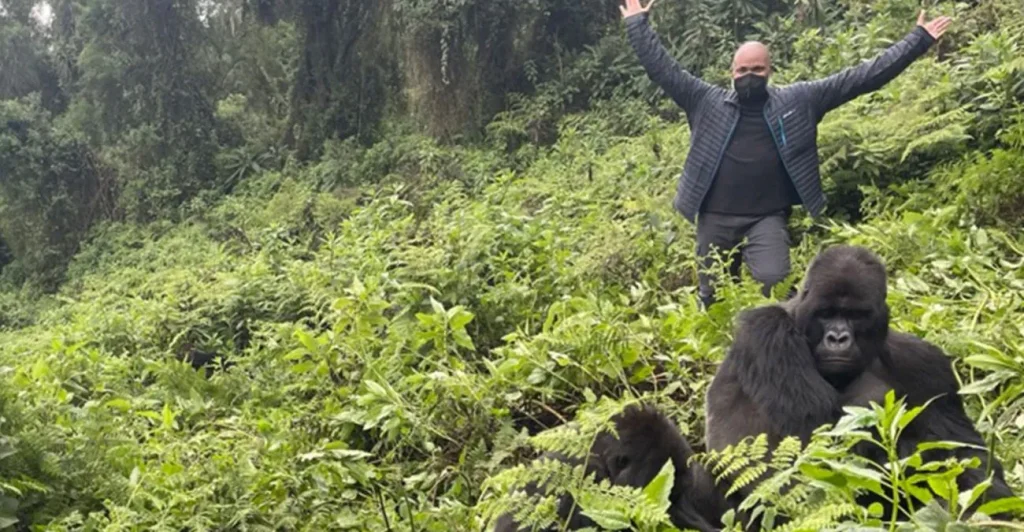
Why Rwanda is the Best Place for Gorilla Trekking
2025-08-25
How much does a gorilla trekking permit cost in Rwanda?
2025-08-26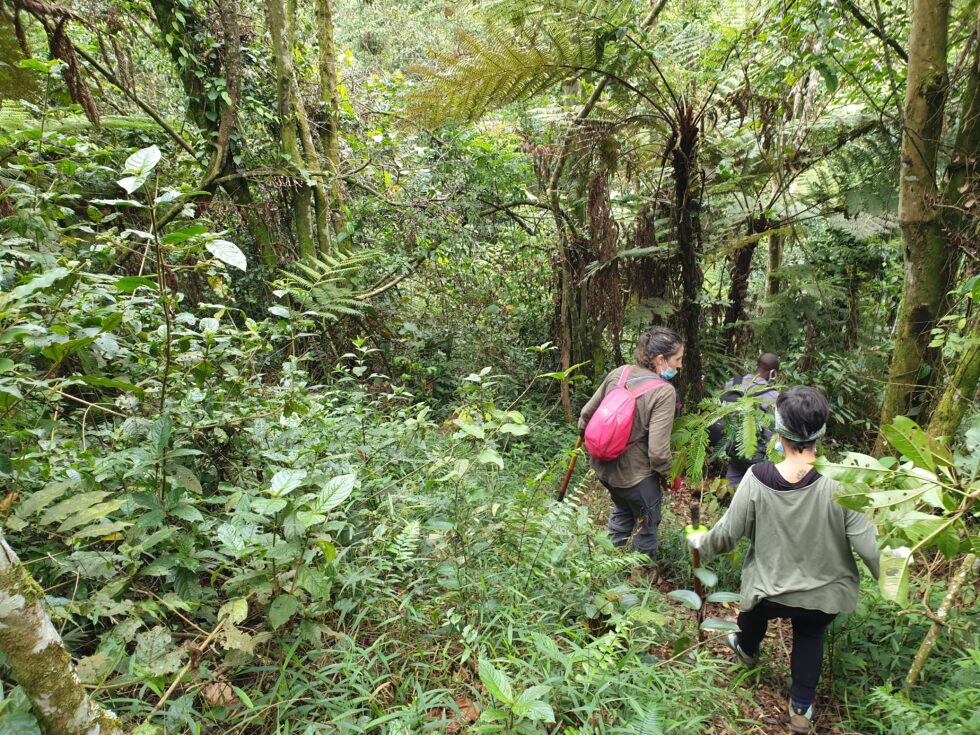
What Rules Should You Follow During Gorilla Trekking in Rwanda?
Gorilla trekking in Rwanda is one of the most unforgettable wildlife adventures in the world. Every year, travelers flock to Volcanoes National Park, the only place in Rwanda where you can see the critically endangered mountain gorillas in their natural habitat. However, because of their fragile population and the sensitive ecosystem they live in, visitors must follow a strict set of rules and guidelines.
At Mandrill African Safaris, we believe that respecting these rules not only ensures your safety but also protects the gorillas for future generations. If you are planning a gorilla trekking safari in Rwanda, here’s everything you need to know about the dos and don’ts during your trek.
Why Are Rules Important for Gorilla Trekking in Rwanda?
Mountain gorillas are highly vulnerable. There are just over 1,000 individuals left worldwide, with Rwanda being home to around one-third of them. Because gorillas share about 98% of their DNA with humans, they are highly susceptible to human diseases. Even a common cold can put their health at risk.
Rules during gorilla trekking are designed to:
-
Protect the gorillas’ health and safety
-
Preserve their natural environment
-
Ensure visitor safety in the wild
-
Promote responsible tourism in Rwanda
When you book your Rwanda safari with Mandrill African Safaris, our expert guides prepare you thoroughly for your trek and help you follow these rules effectively.
Essential Rules to Follow During Gorilla Trekking in Rwanda
1. Always Keep a Safe Distance
Trekkers must keep at least 7 meters (about 21 feet) away from the gorillas. This minimizes the risk of spreading diseases and ensures the gorillas don’t feel threatened. Even if the gorillas come closer to you, remain calm and avoid making sudden movements.
2. Group Size and Time Limit
Each gorilla family can only be visited by a maximum of 8 tourists per day. You are allowed to spend one hour with the gorillas once you find them. This restriction reduces stress on the animals and helps control human impact.
3. Wear a Face Mask (Post-COVID Guideline)
In recent years, Rwanda has introduced face mask requirements during gorilla trekking. This prevents the spread of airborne diseases to the gorillas. Always carry a mask, and your guide will instruct you on when to wear it.
4. No Eating, Drinking, or Smoking Near Gorillas
Food or drinks may attract the gorillas or alter their natural behavior. You must avoid eating, smoking, or even drinking water in their presence. Instead, wait until you are in a designated area away from the gorilla family.
5. Speak Softly and Keep Noise Levels Low
Gorillas are peaceful but can be easily disturbed by loud noises. Always keep your voice down, move slowly, and avoid unnecessary chatter when near the gorillas. Whispering or speaking softly helps maintain a calm environment.
6. Photography Rules
Photography is permitted, but flash photography is strictly prohibited as it may startle the gorillas. Make sure your camera’s flash is turned off before approaching the family. Also, avoid making sudden movements while taking pictures.
7. No Touching Gorillas
It may be tempting to reach out when a gorilla comes close, but touching is strictly forbidden. This prevents transmission of germs and reduces the risk of gorillas becoming accustomed to human contact.
8. Do Not Trek if You Are Sick
If you have a cold, flu, or any contagious illness, you will not be allowed to participate in gorilla trekking. This is for the gorillas’ safety since they can easily contract human diseases. Rwanda’s park authorities strictly enforce this rule.
9. Follow the Guide’s Instructions at All Times
Every trekking group is accompanied by experienced park rangers and guides. They understand gorilla behavior and know how to react in different situations. Always follow their lead, especially if a gorilla displays signs of aggression such as chest-beating or charging.
10. Stay on Designated Trails
During the hike through Volcanoes National Park, you should stick to established trails. This minimizes damage to the forest ecosystem and avoids unnecessary disturbance to other wildlife.
11. Leave No Trace
Carry back any trash, water bottles, or personal items. Leaving litter behind can harm both gorillas and the forest environment. Practicing eco-friendly travel is part of Rwanda’s responsible tourism policy.
Additional Tips for a Responsible Gorilla Trekking Experience
-
Fitness matters: Gorilla trekking can be physically demanding since the hike may last 2–6 hours through steep terrain and dense forest. Prepare with light physical training before your safari.
-
Pack appropriately: Wear waterproof hiking boots, long trousers, a rain jacket, and carry a walking stick. Gloves are also helpful for holding onto vegetation.
-
Support conservation: By booking your trek with Mandrill African Safaris, part of your gorilla trekking permit fee goes directly to conservation efforts and supporting local communities.
Penalties for Breaking Gorilla Trekking Rules
The Rwanda Development Board (RDB), which manages Volcanoes National Park, enforces these rules strictly. If tourists break them, they risk:
-
Immediate termination of their trek without a refund
-
Heavy fines or penalties
-
Being blacklisted from future gorilla trekking activities
These measures emphasize Rwanda’s commitment to sustainable gorilla tourism.
Why Trekking Responsibly Matters
Every visitor who follows the rules plays a role in protecting Rwanda’s gorillas. Thanks to strict regulations, Rwanda has seen a steady growth in gorilla populations over the years. By trekking responsibly, you are not just enjoying a once-in-a-lifetime safari; you are contributing to the survival of a critically endangered species.
Book Your Gorilla Trekking Safari with Mandrill African Safaris
At Mandrill African Safaris, we specialize in tailor-made Rwanda safaris, including gorilla trekking in Volcanoes National Park. Our experienced guides ensure that you are well-prepared, fully informed about the rules, and able to enjoy this incredible experience responsibly.
We also combine gorilla trekking with visits to Nyungwe Forest National Park for chimpanzee tracking and Akagera National Park for classic game drives. This gives you a complete Rwanda safari experience.
Final Thoughts
What rules should you follow during gorilla trekking in Rwanda?
The answer is simple: respect the gorillas, respect the forest, and follow your guide’s instructions. From keeping your distance to avoiding loud noises, every rule is designed to safeguard the gorillas and enhance your experience.
By trekking with Mandrill African Safaris, you not only witness the majesty of Rwanda’s mountain gorillas but also contribute directly to their conservation.