

Can children trek gorillas in Bwindi
2025-09-02
What Are the Top Things to Do in Kigali City?
2025-09-03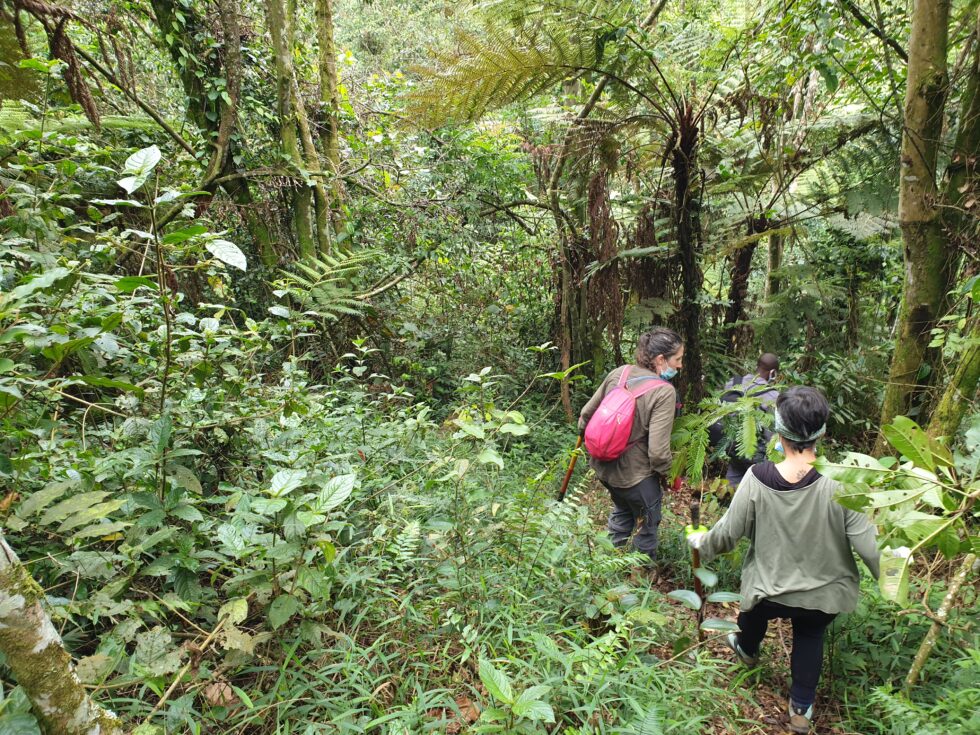
What Rules Must You Follow When Trekking Gorillas in Bwindi?
Bwindi Impenetrable National Park in Uganda is one of the most iconic destinations in the world for mountain gorilla trekking. Home to almost half of the world’s remaining mountain gorillas, this UNESCO World Heritage Site offers a once-in-a-lifetime experience for travelers seeking close encounters with these gentle giants.
However, gorilla trekking in Bwindi is not like a casual hike or safari. Mountain gorillas are critically endangered, and their conservation requires strict protection measures. For this reason, every visitor must follow a set of gorilla trekking rules and guidelines put in place by the Uganda Wildlife Authority (UWA). These rules ensure the safety of both gorillas and humans, and they also protect the fragile ecosystem in which these primates live.
In this article, we’ll explore in detail the rules you must follow when trekking gorillas in Bwindi, why they are important, and how they help create a responsible and sustainable tourism experience.
Why Are Gorilla Trekking Rules Necessary?
Before diving into the specific rules, it’s important to understand why they exist.
-
Conservation of gorillas – Mountain gorillas share over 98% of their DNA with humans, which makes them highly vulnerable to human diseases such as flu, cough, and even COVID-19. Rules reduce the chances of disease transmission.
-
Safety of visitors – Gorillas are generally peaceful, but they are also powerful wild animals that can react aggressively if they feel threatened. Rules prevent unnecessary confrontation.
-
Environmental protection – Bwindi is a delicate rainforest ecosystem. Rules help minimize human impact on vegetation, soil, and wildlife.
-
Sustainable tourism – With strict guidelines, gorilla trekking remains a sustainable activity that benefits local communities, conservation efforts, and future generations.
Key Rules You Must Follow When Trekking Gorillas in Bwindi
1. Maintain a Safe Distance
Visitors must stay at least 7 to 10 meters (about 21 to 33 feet) away from gorillas at all times. This is the most emphasized rule because close contact increases the risk of disease transmission. Keeping distance also prevents gorillas from feeling surrounded or threatened.
2. Do Not Visit if You Are Sick
Anyone with symptoms of infectious diseases such as flu, cough, diarrhea, or COVID-19 is not allowed to trek. Even a mild cold can be life-threatening to gorillas. Rangers conduct health checks before the trek, and sick visitors are advised to postpone their trip.
3. Keep Voices Low
While trekking and during the gorilla encounter, visitors must speak in low tones. Loud noises can disturb wildlife, cause stress to gorillas, and disrupt the serene forest environment.
4. No Eating or Drinking Near Gorillas
Food and drinks are strictly prohibited in the presence of gorillas. Dropped crumbs or discarded bottles could attract gorillas or spread infections.
5. Group Size Is Limited
Only 8 visitors are allowed per gorilla family per day. This minimizes disturbance and ensures that gorillas are not overwhelmed by large crowds. Permits are carefully managed by UWA to enforce this rule.
6. Time with Gorillas Is Limited to One Hour
Once you locate a gorilla family, you are allowed to spend only one hour in their company. This restriction minimizes stress on the gorillas and reduces exposure to humans.
7. Do Not Touch Gorillas
Even if gorillas approach you, resist the temptation to touch them. Physical contact is the fastest way to transmit diseases and could trigger defensive behavior from dominant silverbacks.
8. No Flash Photography
Visitors are allowed to take photos and videos, but flash is strictly prohibited. Flashlight may irritate gorillas, making them anxious or aggressive.
9. Follow Your Ranger’s Instructions
Each trekking group is led by experienced rangers and trackers. Their instructions are final and must be followed for safety reasons. Rangers understand gorilla behavior and know how to handle situations if a gorilla charges or shows signs of aggression.
10. Maintain Hygiene in the Forest
Visitors are asked to bury human waste in a hole at least 30 cm deep if they need to ease themselves in the forest. This helps maintain cleanliness and prevents disease spread.
11. Avoid Littering
Nothing should be left behind in the forest—no bottles, wrappers, or tissues. Littering destroys the environment and could harm animals.
12. Do Not Chase or Tease Wildlife
Apart from gorillas, Bwindi is home to many other species, including monkeys, birds, and butterflies. Visitors should not chase or disturb them, as this alters their natural behavior.
13. Physical Fitness Is Required
Although not a “rule” in the legal sense, visitors are advised to be in good physical condition. Treks can take 2–7 hours depending on the gorilla family’s location. Following this guideline ensures safety and enjoyment during the trek.
14. Age Limit Applies
Only visitors aged 15 years and above are allowed to trek gorillas in Bwindi. This reduces risks of unpredictable behavior from children and lowers disease transmission chances.
15. Respect Local Communities
Bwindi is surrounded by local communities who play a role in gorilla conservation. Visitors are encouraged to respect cultural traditions, support community projects, and interact respectfully with local guides and porters.
What Happens if You Break the Rules?
The Uganda Wildlife Authority takes gorilla trekking rules seriously. Violations can result in:
-
Immediate termination of your trek.
-
Fines or penalties.
-
Future bans from gorilla trekking.
These measures ensure compliance and maintain the integrity of gorilla tourism.
Additional Tips for a Responsible Trekking Experience
-
Hire a porter: Supporting local porters not only helps the community but also makes your trek easier.
-
Dress appropriately: Wear long sleeves, waterproof boots, and gloves to avoid scratches from the thick vegetation.
-
Carry essentials: Bring water, insect repellent, and a rain jacket since Bwindi is a rainforest with unpredictable weather.
-
Stay patient: Trekking can be physically demanding, but the reward of meeting gorillas is worth the effort.
Conclusion
Trekking gorillas in Bwindi Impenetrable National Park is a life-changing adventure, but it comes with responsibility. By following the gorilla trekking rules, you contribute to the survival of these magnificent creatures, protect their habitat, and ensure that tourism remains sustainable.
The next time you prepare for a Uganda safari, remember that your actions matter. Keeping your distance, staying quiet, avoiding contact, and respecting ranger guidelines are not just rules—they are acts of conservation. Bwindi’s mountain gorillas are a treasure for the world, and by respecting the rules, you help secure their future.


