

Can International Tourists Easily Visit Kidepo Valley National Park?
2026-03-13
How to Plan a 4-Day Safari in Murchison Falls National Park
2026-03-13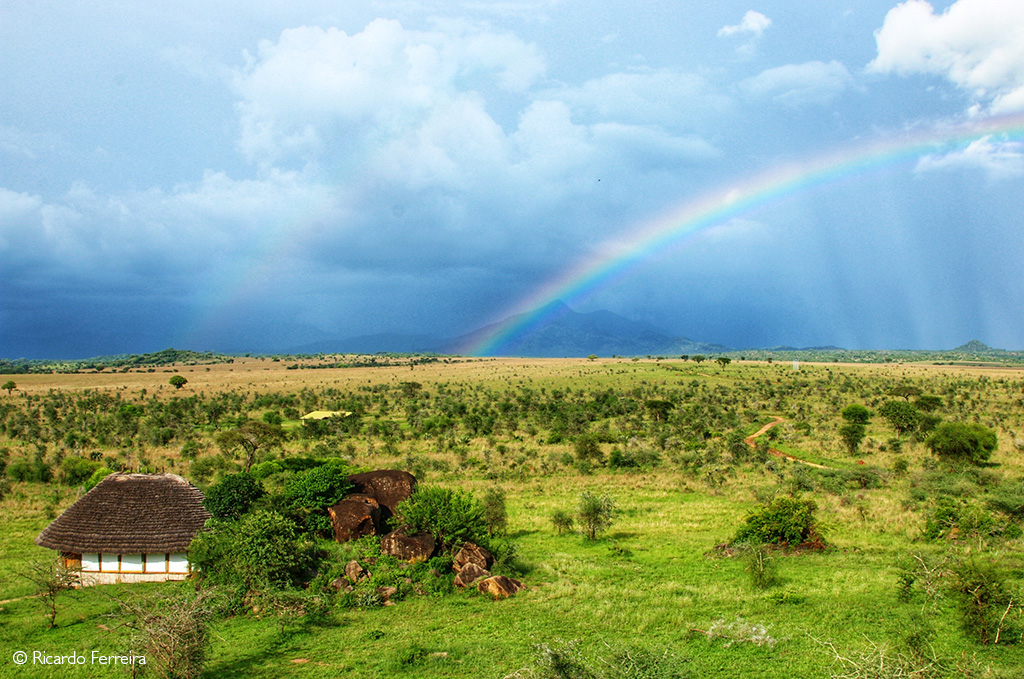
What Landscape Makes Kidepo Valley National Park Unique?
If you are searching for one of Africa’s most breathtaking and untouched safari destinations, Kidepo Valley National Park stands out as a true wilderness paradise. Located in the remote Karamoja region of northeastern Uganda, this spectacular park offers landscapes that are dramatically different from the lush forests and wetlands found in other Ugandan safari destinations.
Often described as one of the most scenic national parks in Africa, Kidepo features vast savannah plains, rugged mountains, dry river valleys, and palm-lined sand rivers that create a striking and diverse ecosystem. The park covers about 1,444 square kilometers of wilderness, dominated by two major valleys and surrounded by mountain ranges that shape its extraordinary scenery.
For travelers planning a Uganda safari with Mandrill African Safaris, understanding the unique landscape of Kidepo Valley National Park reveals why this hidden gem is becoming one of the most sought-after wildlife destinations in East Africa.
The Remote Wilderness That Defines Kidepo
One of the reasons Kidepo’s landscape feels so special is its extreme remoteness. The park lies near the borders of South Sudan and Kenya, far from the busy tourist circuits of Uganda. Because of this isolation, the environment remains largely untouched, giving visitors the feeling of exploring a true African frontier.
Unlike many popular parks where vehicles crowd wildlife sightings, Kidepo offers wide open horizons and raw natural beauty. The dramatic scenery combines:
-
Endless savannah plains
-
Rocky granite outcrops
-
Mountain ranges
-
Dry seasonal rivers
-
Acacia woodlands
This mixture of landscapes creates one of the most visually striking safari settings in Africa.
The Two Great Valleys That Shape the Park
At the heart of Kidepo’s unique landscape are two enormous valley systems:
-
Narus Valley
-
Kidepo Valley
These valleys divide the park into two distinct ecosystems that offer completely different scenery and wildlife experiences.
Narus Valley – The Wildlife Heart of Kidepo
The Narus Valley is located in the southwestern part of the park and is widely known as the wildlife hub of Kidepo.
What makes this valley special is the presence of the Narus River, which provides permanent water even during the dry season. This reliable water source attracts huge numbers of animals including elephants, buffaloes, giraffes, zebras, and predators such as lions and cheetahs.
Landscape highlights of Narus Valley include:
-
Rolling grassland plains
-
Scattered acacia trees
-
Seasonal wetlands
-
Small rocky hills known as kopjes
The golden savannah stretching toward distant mountains creates the classic African safari scenery photographers dream of.
Kidepo Valley – A Wild Semi-Desert Landscape
In contrast to Narus Valley, Kidepo Valley in the northern and eastern parts of the park offers a much drier and more dramatic environment.
During the dry season, the Kidepo River dries up and leaves behind a long sandy riverbed lined with Borassus palm trees, giving the area an almost desert-like appearance.
This valley is famous for:
-
Palm-lined sand rivers
-
Open semi-arid plains
-
Desert date trees
-
Stunning views toward South Sudan
Because of its rugged beauty and isolation, Kidepo Valley is often considered one of the most photogenic landscapes in Uganda.
The Dramatic Mountains Surrounding the Park
Another key feature that makes Kidepo’s landscape unique is the mountain ranges surrounding the valleys.
The most famous is Mount Morungole, which rises to about 2,750 meters above sea level and forms the southern boundary of the park.
Mount Morungole is not only a geological highlight but also a cultural one, as it is home to the Ik people, one of Uganda’s smallest and most isolated ethnic communities.
Other surrounding mountain ranges include:
-
The Napore Range
-
The Zulia Mountains
-
The Lotukei Hills
These mountains create a dramatic backdrop to the valleys and influence the park’s climate and vegetation.
Granite Outcrops, Hills, and Rocky Escarpments
Scattered across Kidepo’s plains are ancient granite outcrops and volcanic ridges that add character to the landscape.
These rocky formations serve several important roles:
-
Natural viewpoints for safari photography
-
Habitat for birds and small mammals
-
Strategic lookout points for predators like lions
Some hills provide panoramic views of the valleys, offering visitors unforgettable sunrise and sunset scenery.
Unique Vegetation Zones
Another reason Kidepo’s landscape stands out is the diversity of vegetation types found within a relatively small area.
The park contains a mixture of ecosystems, including:
Savannah Grasslands
The dominant landscape is open savannah, with short and medium-height grasses such as red oat grass that provide food for grazing animals.
Acacia Woodlands
Scattered acacia trees create classic safari scenery while providing shade and habitat for wildlife.
Palm-Lined Riverbeds
Borassus palm trees grow along the seasonal rivers, forming one of the park’s most recognizable visual features.
Montane Forest
Higher elevations on Mount Morungole support montane forest ecosystems that differ completely from the dry plains below.
This diversity of vegetation helps support the park’s impressive biodiversity.
The Rivers That Bring Life to the Landscape
Despite its semi-arid climate, Kidepo’s landscape is shaped by several important water sources.
The most significant are:
-
Narus River
-
Kidepo River
-
Kanangorok Hot Springs
The Narus River provides year-round water in some areas, while the Kidepo River flows mainly during the rainy season.
The Kanangorok Hot Springs, located near the South Sudan border, are among the most permanent water sources in the park and attract wildlife from across the region.
These water sources create vital oases in the otherwise dry environment.
A Landscape That Supports Rare Wildlife
Because of its varied terrain, Kidepo Valley National Park supports some of the most unique wildlife in Uganda.
The park is home to:
-
Over 86 mammal species
-
Nearly 500 bird species
Animals commonly seen across the savannah plains include:
-
Elephants
-
Buffaloes
-
Giraffes
-
Zebras
-
Lions
-
Cheetahs
Some species found in Kidepo, such as ostriches and cheetahs, are rarely seen in other Ugandan national parks.
Cultural Landscapes of the Karamoja Region
The landscape of Kidepo is also shaped by the traditional cultures surrounding the park.
Two communities are closely connected to this environment:
-
The Karamojong – pastoral cattle herders living around the park
-
The Ik people – a small hunter-gatherer community living on Mount Morungole
These communities have adapted to the harsh landscape for centuries and add a unique cultural dimension to the safari experience.
Visitors can combine wildlife safaris with cultural tours to learn about traditional lifestyles in this remote region.
Why Kidepo’s Landscape Is Unlike Any Other Safari Destination
Several factors combine to make Kidepo Valley National Park one of the most unique landscapes in Africa:
1. Dramatic mountain-valley scenery
The contrast between high mountains and wide valleys creates spectacular views.
2. Untouched wilderness
Its remote location keeps the park wild and uncrowded.
3. Diverse ecosystems
Savannah, semi-desert, woodlands, wetlands, and montane forest exist within one park.
4. Palm-lined riverbeds
These create a distinctive visual feature rarely seen in other African parks.
5. Exceptional wildlife habitat
The landscape supports species rarely found elsewhere in Uganda.
Experience the Beauty of Kidepo with Mandrill African Safaris
For travelers seeking a safari destination that feels raw, wild, and untouched, Kidepo Valley National Park offers an experience unlike any other.
From the sweeping savannahs of Narus Valley to the palm-lined sands of Kidepo Valley and the towering slopes of Mount Morungole, the park’s landscape creates a dramatic setting for unforgettable wildlife encounters.
With Mandrill African Safaris, you can explore this remote paradise through:
-
Guided game drives
-
Nature walks
-
Birdwatching safaris
-
Cultural experiences with the Karamojong and Ik communities
Kidepo is not just a safari destination—it is a journey into one of Africa’s last great wilderness landscapes.


