

What Makes Semuliki Wildlife Different from Kibale?
2025-09-26
Tourism Internship in Uganda
2025-09-27- Amazon of Africa Uganda
- Best places to visit in Uganda
- Birding in Semuliki Uganda
- Hot springs in Semuliki National Park
- Mandrill African Safaris experiences
- Mandrill African Safaris Uganda
- Primate tracking in Semuliki
- Semuliki National Park tours
- Semuliki National Park Uganda
- Semuliki Rainforest biodiversity
- Uganda eco-tourism safaris
- Uganda forest ecosystems
- Uganda rainforest safaris
- Uganda safari destinations
- Wildlife in Semuliki National Park
What is the Role of Semuliki Rainforest in Uganda’s Biodiversity?
Introduction
When planning an African safari, many travellers head to the famous savannahs and great Rift Valley lakes. But tucked in western Uganda, along the border with the Democratic Republic of the Congo (DRC), lies a hidden treasure: the Semuliki Rainforest. For Mandrill African Safaris and those seeking off-the-beaten-track natural wonders, Semuliki is a must. Its role in Uganda’s biodiversity is not just significant—it’s irreplaceable.
Location and Ecosystem Overview
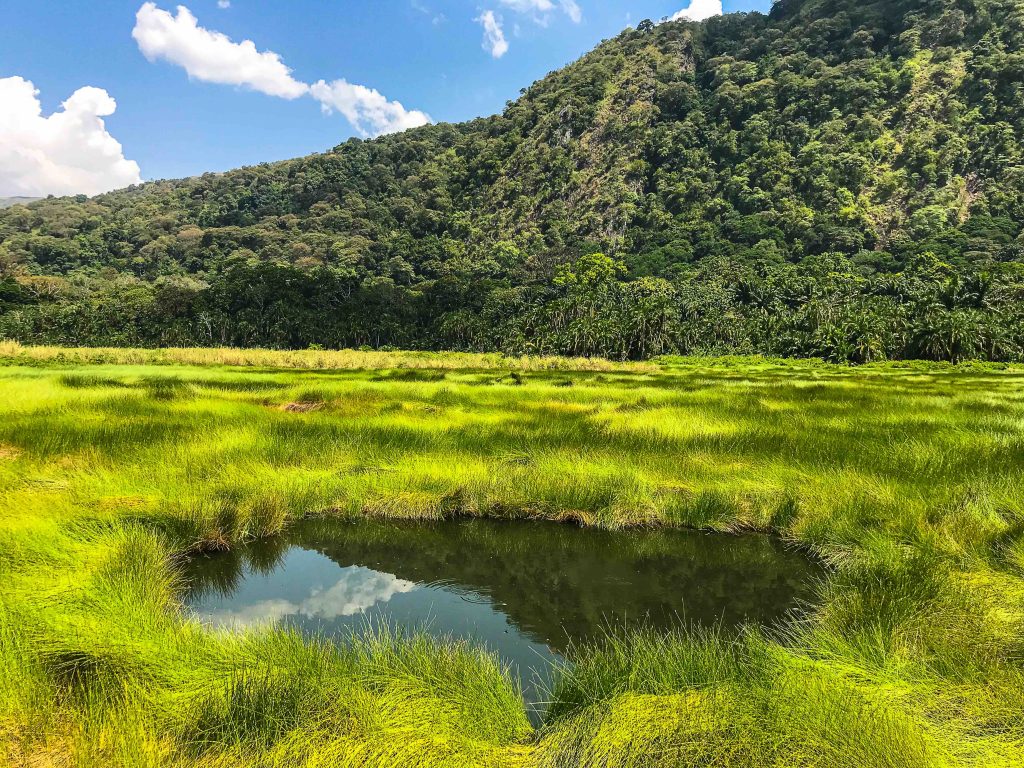
Semuliki National Park (also spelled Semliki) covers about 220 km² in Bundibugyo District. It was gazetted as a forest reserve in 1932, then upgraded to National Park status in 1993.
What makes Semuliki unique:
-
It is East Africa’s only true lowland tropical rainforest, being an easternmost ‘spillover’ of the great Ituri Forest of the Congo Basin.
-
Altitude ranges between ~670-760 m above sea level.
-
Habitat types are varied: moist semi-deciduous forest, swamp forest along rivers, mixed woodlands, riverine habitat, savannah fringe in some parts. Also, hot springs and mineral springs add variation.
Biodiversity Richness: Flora, Fauna, Birds & More
Semuliki’s biodiversity is impressive:
Flora
-
The forest contains about 336 tree species, dominated centrally by Cynometra (commonly called Uganda ironwood), with evergreen and swamp forest species along river margins.
-
There are tree and plant species that are rare or restricted, especially associated with the Guinea-Congo biome.
Fauna
-
Mammals: Around 53 species of mammals have been recorded, 27 of which are “large” (i.e. duiker-size and above). This includes forest elephants, forest buffalo, hippos and crocodiles along the Semuliki River. Primates are especially well represented: chimpanzees, black-and-white colobus, central African red colobus, blue monkeys, red-tailed monkeys, De Brazza’s monkey, vervet monkeys, grey-cheeked mangabey, baboon, Dent’s Mona monkey, plus nocturnal primates like bush baby and potto.
-
Birds: Over 440 bird species have been recorded. That’s about 40% of Uganda’s bird diversity. Of those, about 216 are true forest species (≈66% of Uganda’s forest bird list). There are many Guinea-Congo biome forest species rarely found in East Africa, and some Albertine Rift endemics.
-
Butterflies & Insects: The butterfly diversity is very high—some sources quote “almost 300” or more species. Insect diversity generally benefits from the moist rainforest habitat.
Why Semuliki is Crucial for Uganda’s Biodiversity
Several key roles make Semuliki essential:
-
Biogeographic Bridge between Central and East Africa
Because it is a “spillover” of the Ituri Forest, Semuliki supports species whose main ranges are in Central Africa, yet it also forms part of Uganda’s protected area network. It is among the only places in East Africa where certain Central African species, whether flora or fauna, still occur. This gives Uganda some of the western-Congo biome’s species at their eastern limits.
-
Refuge of Rare, Endemic and Threatened Species
The rainforest is home to forest bird species, rare primates, and others that cannot survive in drier, more fragmented woodland or savannah. Some species are Albertine Rift endemics (i.e. confined largely to that ecoregion), or rare in Uganda. Without the continuous forest habitat provided by Semuliki, many of these species would be at much greater risk.
-
Habitat Diversity and Microhabitats
The variety of habitats—swamps, riverine forest, lowland rainforest, mixed woodland—allows for many ecological niches. Seasonal flooding, hot springs, mineral springs, forest edges all provide microhabitats supporting species with differing ecological requirements. This increases overall biodiversity.
-
Ecosystem Services
Beyond wildlife, Semuliki plays vital roles in environment regulation:
-
Water regulation: The Semuliki River and its tributaries rely on forest cover for stable hydrology, reducing soil erosion and maintaining water quality.
-
Climate regulation & carbon storage: Rainforests are among the largest terrestrial carbon sinks, helping Uganda’s efforts to mitigate climate change.
-
Soil fertility: The forest’s leaf litter and root structures help maintain soil health.
-
-
Cultural and Socio-economic Importance
Local communities—Bamba, Bamaga, Batwa, Batuku—have a deep connection to the forest. They obtain medicinal plants, food, materials, and also have cultural / spiritual ties to features like the hot springs (e.g. Sempaya). Traditional ecological knowledge helps in managing forest resources sustainably.
-
Tourism and Research Potential
For safari operators like Mandrill African Safaris, Semuliki represents an opportunity beyond the mainstream safari narrative. Birdwatchers, scientists, and eco-tourists are drawn by Semuliki’s unique species list and the forest’s ancient lineage. Well-managed tourism helps raise awareness, funds conservation, and supports community livelihoods.
Threats to Semuliki and Conservation Challenges
Despite its importance, Semuliki faces various challenges:
-
Encroachment and Habitat Loss: Local population growth, agricultural expansion, small-scale logging and use of forest products can degrade contiguous forest, fragmenting habitat.
-
Poaching and Illegal Hunting: Especially for bushmeat, which threatens primates and smaller mammals.
-
Insufficient Conservation Resources: Staffing, funding, infrastructure for monitoring, controlling encroachment, and maintaining protection can be limited.
-
Climate Change: Altered rainfall patterns, increased dry periods, or more intense storms may stress rainforest ecosystems.
-
Isolation: Being a relatively small forest fragment (in global rainforest terms), isolated patches are more vulnerable to edge effects and species loss.
How Mandrill African Safaris Can Highlight and Protect Semuliki
Given its biodiversity, here are some ways a safari company like Mandrill can help and benefit:
-
Include Semuliki on Itineraries: Offer specialised tours for birdwatching, primate observation, and forest walks. This gives travellers unique experiences.
-
Partnerships with Conservation Organisations: Support research, anti‐poaching patrols, community education programmes.
-
Community-based Tourism: Work with local ethnic groups to create livelihood alternatives that reduce pressure on the forest (for example, guiding, handicrafts, medicinal plant cultivation).
-
Eco-lodges and Low-impact Accommodation: Facilities that follow sustainable practices to reduce environmental footprint.
-
Interpretive Activities: Hot springs, forest canopy walks (if feasible), night walks, butterfly trails. These enhance visitor experience while educating about biodiversity.
Conclusion
Semuliki Rainforest is more than just a scenic forest in Uganda—it is a linchpin in the country’s biodiversity, a reservoir of species, an ecological bridge between Central and East Africa, and an opportunity for conservation and sustainable tourism.
For travellers with Mandrill African Safaris, visiting Semuliki is an opportunity to see rare primates, hundreds of bird species, butterflies, and forest landscapes that few people get to experience. And every visit has potential to support protection and awareness.


