

Great Migration Safari Packages: When & Where to Go
2026-04-24
How Much Does an East Africa Safari Cost in 2026?
2026-04-24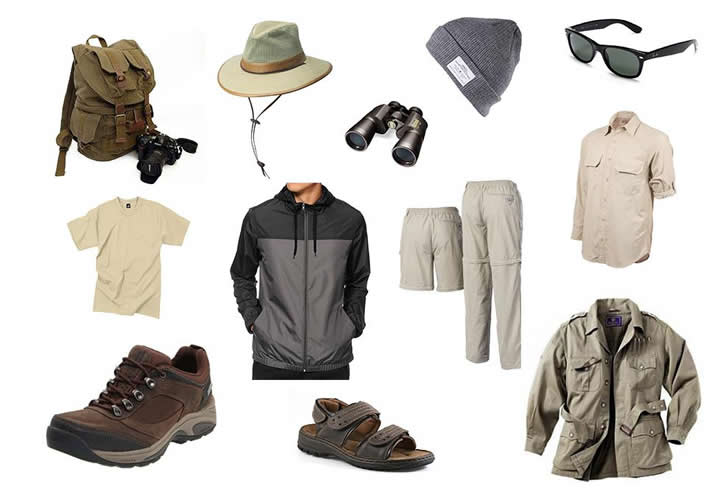
Visa, Travel & Packing Guide for East Africa Safaris
Plan your dream East Africa safari with this complete visa, travel, and packing guide. Discover entry requirements, travel tips, and essential packing lists for Uganda, Kenya, Tanzania, and Rwanda.
Planning an East Africa safari is one of the most exciting travel decisions you can make. From tracking mountain gorillas in dense rainforests to witnessing the Great Migration across vast savannahs, East Africa offers unmatched wildlife experiences. However, before you step into the wild, proper preparation is key.
This comprehensive guide by Mandrill African Safaris covers everything you need to know about visas, travel logistics, and packing essentials for Uganda, Kenya, Tanzania, and Rwanda. Whether you’re a first-time traveler or a seasoned explorer, this guide ensures a smooth and stress-free safari experience.

1. Visa Requirements for East Africa Safaris
Understanding visa requirements is the first step in planning your safari. Each country in East Africa has its own policies, but the process is generally straightforward.
East Africa Tourist Visa
One of the best options for travelers visiting multiple countries is the East Africa Tourist Visa. This visa allows entry into:
- Uganda
- Kenya
- Rwanda
Key Benefits:
- Valid for 90 days
- Multiple entries within the three countries
- Cost-effective (approximately $100 USD)
Important Notes:
- You must enter through the country that issued the visa
- It does not cover Tanzania
Individual Country Visas
If your itinerary includes Tanzania or you prefer separate visas, here’s what to expect:
Uganda Visa
- Available online (e-visa)
- Cost: around $50 USD
- Processing time: 2–5 working days
Kenya Visa
- Fully electronic (eTA system)
- Cost: approximately $30 USD
- Quick approval, often within 48 hours
Tanzania Visa
- Available online or on arrival
- Cost: $50–$100 USD depending on nationality
Rwanda Visa
- Available online or on arrival
- Cost: around $50 USD
Visa Tips for Safari Travelers
- Apply at least 1–2 weeks before travel
- Ensure your passport is valid for at least 6 months
- Carry printed and digital copies of approvals
- Have proof of return tickets and accommodation
2. Best Time to Travel to East Africa
Timing your safari can significantly impact your experience.
Dry Season (Best for Wildlife Viewing)
- June to October
- Easier wildlife spotting due to sparse vegetation
- Ideal for gorilla trekking and game drives
Wet Season (Best for Scenery & Budget Travelers)
- March to May and November
- Lush landscapes and fewer crowds
- Lower accommodation rates
Special Highlights
- July to September: Great Migration river crossings
- December to February: Calving season in Tanzania
3. Health & Travel Requirements
Your health and safety are crucial when traveling to East Africa.
Vaccinations
- Yellow Fever (mandatory for most countries)
- Hepatitis A & B
- Typhoid
- Tetanus
Malaria Prevention
- Take prescribed anti-malarial medication
- Use insect repellent
- Sleep under mosquito nets
Travel Insurance
Always purchase comprehensive travel insurance that covers:
- Medical emergencies
- Evacuation
- Trip cancellations
4. What to Pack for an East Africa Safari
Packing smart can make or break your safari experience. The key is to travel light while bringing essentials.
Clothing Essentials
East Africa safaris require practical, comfortable clothing.
Recommended Items:
- Lightweight, breathable shirts (neutral colors)
- Long-sleeved tops (protection from sun and insects)
- Safari trousers or convertible pants
- A warm jacket or fleece (early mornings can be cold)
- Waterproof jacket (especially in rainy seasons)
- Comfortable hiking boots
- Sandals or flip-flops for lodges
Color Tips:
- Stick to neutral tones like khaki, green, and beige
- Avoid bright colors and camouflage
Gorilla Trekking Packing List
If your safari includes gorilla trekking, you’ll need specialized gear:
- Waterproof hiking boots
- Long socks (to tuck in trousers)
- Gardening gloves (for gripping vegetation)
- Rain jacket
- Backpack
- Energy snacks and water
- Walking stick (often provided)
Travel Accessories
Don’t overlook these essentials:
- Passport and visa documents
- Travel insurance papers
- Reusable water bottle
- Sunglasses and hat
- Sunscreen (SPF 30+)
- Insect repellent
- Power bank and adapters
- Camera with extra batteries
Safari Gear
Enhance your wildlife experience with the right gear:
- Binoculars (essential for game viewing)
- Camera with zoom lens
- Notebook or travel journal
- Daypack for excursions
Toiletries & Personal Items
Pack travel-sized essentials:
- Hand sanitizer
- Wet wipes
- Personal medications
- Basic first aid kit
- Lip balm and moisturizer
5. Currency & Money Tips
Managing money wisely is essential during your safari.
Local Currencies
- Uganda: Ugandan Shilling
- Kenya: Kenyan Shilling
- Tanzania: Tanzanian Shilling
- Rwanda: Rwandan Franc
Payment Tips
- Carry USD in small denominations (new notes preferred)
- Credit cards accepted in major lodges
- ATMs available in cities but limited in remote areas
Tipping Guidelines
Tipping is customary:
- Safari guides: $10–$20 per day
- Lodge staff: $5–$10 per day
6. Transportation & Getting Around
International Flights
Main entry points include:
- Entebbe (Uganda)
- Nairobi (Kenya)
- Kilimanjaro (Tanzania)
- Kigali (Rwanda)
Domestic Travel
- 4×4 safari vehicles for game drives
- Domestic flights for long distances
- Boat safaris in lakes and rivers
Road Travel Tips
- Roads can be rough—expect long travel times
- Always travel with experienced drivers
7. Safari Etiquette & Cultural Tips
Respecting local customs enhances your experience.
Wildlife Etiquette
- Keep a safe distance from animals
- Avoid loud noises
- Follow your guide’s instructions
Cultural Respect
- Dress modestly in villages
- Ask permission before taking photos
- Learn a few local greetings
8. Connectivity & Communication
Internet Access
- Available in most lodges but may be slow
- Best in cities and towns
SIM Cards
- Affordable local SIM cards available
- Good network coverage in most areas
9. Safety Tips for East Africa Safaris
East Africa is generally safe for tourists, especially on guided safaris.
Key Safety Tips
- Travel with reputable tour operators
- Avoid walking alone at night in cities
- Keep valuables secure
- Follow local advice and guidelines
10. Why Choose Mandrill African Safaris?
At Mandrill African Safaris, we specialize in creating unforgettable safari experiences tailored to your needs. From visa guidance to personalized packing advice, our team ensures every detail of your journey is seamless.
What We Offer:
- Customized safari itineraries
- Expert local guides
- Comfortable accommodations
- 24/7 travel support
Final Thoughts
Planning an East Africa safari doesn’t have to be overwhelming. With the right visa preparation, travel knowledge, and packing strategy, you’ll be ready to explore one of the most breathtaking regions in the world.
From the misty mountains of Uganda to the endless plains of Tanzania, East Africa promises adventure, wildlife, and memories that last a lifetime.
Let Mandrill African Safaris guide you every step of the way—from planning to packing—so you can focus on what truly matters: experiencing Africa at its wildest and most beautiful.
FAQs
1. Do I need a visa for East Africa safaris?
Yes, most travelers require a visa. The East Africa Tourist Visa is ideal for visiting Uganda, Kenya, and Rwanda.
2. What is the best time for a safari in East Africa?
The dry season (June to October) is best for wildlife viewing.
3. What should I pack for a safari?
Pack lightweight clothing, hiking boots, insect repellent, sunscreen, and safari gear like binoculars.
4. Is East Africa safe for tourists?
Yes, especially when traveling with reputable tour operators like Mandrill African Safaris.
5. Can I use US dollars in East Africa?
Yes, USD is widely accepted, especially for tourism services.


