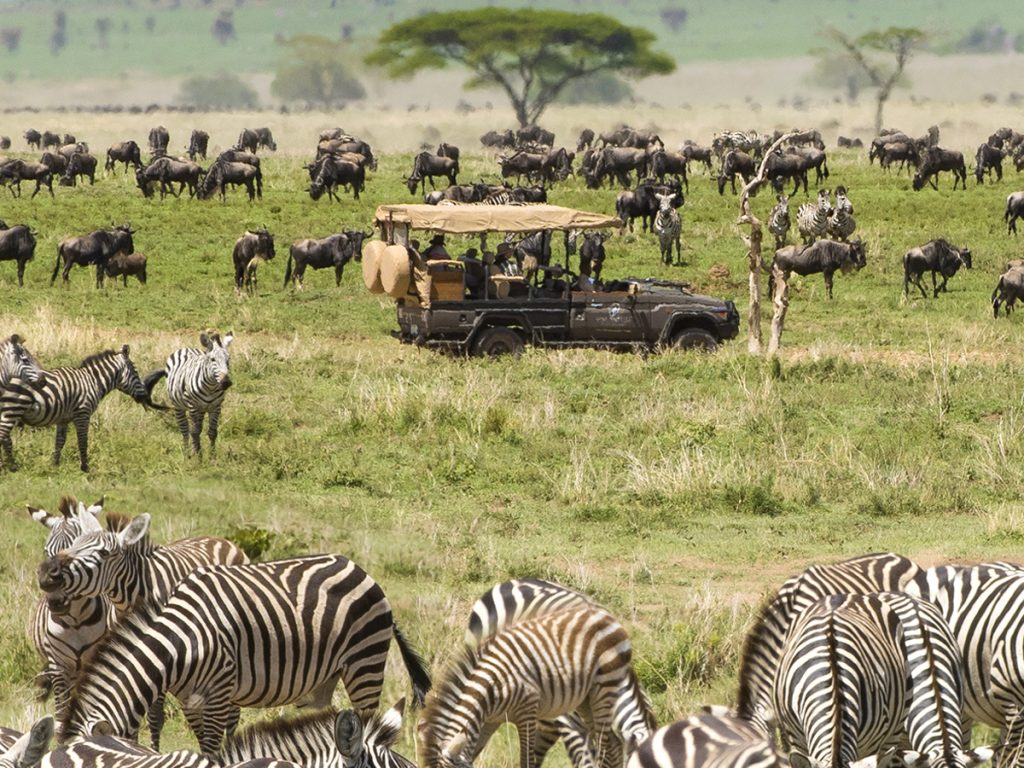
Best Time to Combine Kenya and Tanzania for the Great Migration
2026-10-02
Uganda-Kenya Safari: Top Wildlife Experiences You Shouldn’t Miss
2026-10-06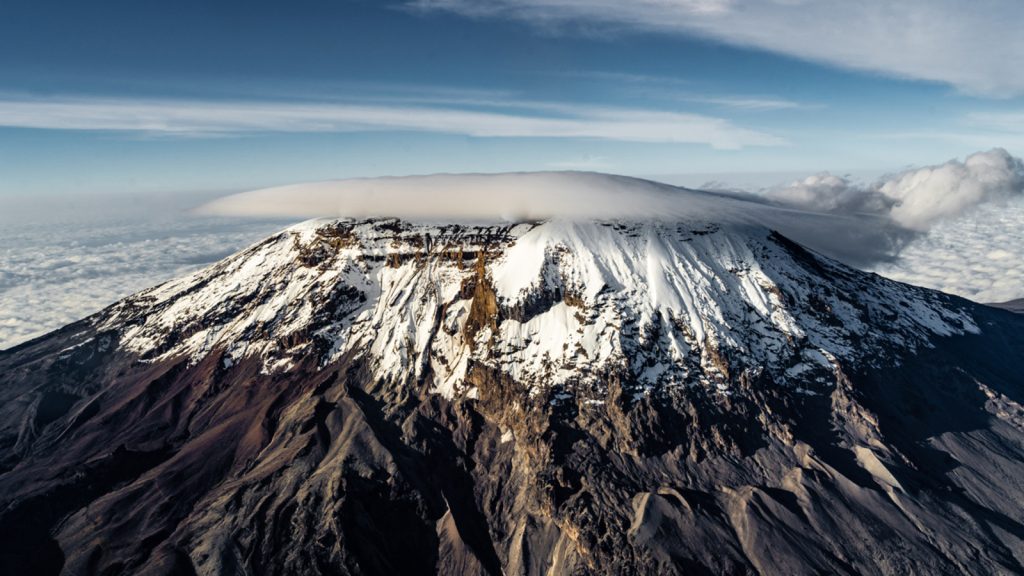
Uganda and Kenya Safari Cost: What You Need to Know Before You Travel
Planning an African safari that combines Uganda and Kenya is an exciting way to experience some of East Africa’s most spectacular wildlife, landscapes, cultures, and primates. From tracking mountain gorillas in Uganda to watching the Big Five across Kenya’s famous national parks, a combined Uganda and Kenya safari offers an unforgettable East African adventure.
One of the first questions travelers ask is: How much does a Uganda and Kenya safari cost? The answer depends on several factors, including the number of days, accommodation level, activities, transportation, gorilla permits, park entrance fees, travel season, and the number of people traveling together.
At Mandrill African Safaris, we help travelers create customized Uganda and Kenya safari packages based on their budgets, interests, and preferred travel style.
Uganda and Kenya Safari Cost at a Glance
A combined safari can be designed for budget, mid-range, or luxury travelers. As a general planning guide, travelers should consider the following approximate daily budgets per person:
- Budget safari: USD 150–250 per person per day
- Mid-range safari: USD 250–450 per person per day
- Luxury safari: USD 500–1,000+ per person per day
These figures are planning estimates rather than fixed prices. The final Uganda Kenya safari cost depends on the itinerary, accommodation, transportation, activities, group size, and season.
A safari that includes Uganda gorilla trekking will normally cost more than a wildlife-only safari because of the gorilla trekking permit and the logistics involved in reaching Bwindi Impenetrable National Park or Mgahinga Gorilla National Park.
What Makes a Uganda and Kenya Safari Special?
Uganda and Kenya complement each other extremely well.
Uganda is famous for its mountain gorillas, chimpanzees, beautiful lakes, diverse landscapes, and excellent wildlife viewing. Kenya is internationally recognized for the Maasai Mara, the Great Migration, abundant wildlife, and iconic savannah landscapes.
A combined itinerary can therefore provide travelers with two very different African experiences.
In Uganda, you can enjoy:
- Gorilla trekking in Bwindi Impenetrable National Park
- Chimpanzee trekking in Kibale Forest
- Game drives in Queen Elizabeth National Park
- Wildlife viewing in Murchison Falls National Park
- Adventures in Kidepo Valley National Park
- Boat cruises on the Kazinga Channel
- Cultural experiences with local communities
- Birdwatching and nature walks
In Kenya, travelers can experience:
- The Maasai Mara National Reserve
- Amboseli National Park
- Lake Nakuru National Park
- Tsavo East and Tsavo West
- Samburu National Reserve
- Maasai cultural experiences
- Big Five game drives
- The Great Migration, depending on the season
Combining these destinations creates an excellent Uganda Kenya safari itinerary for travelers who want gorillas, chimpanzees, lions, elephants, leopards, buffaloes, giraffes, rhinos, and other African wildlife.
How Much Does Gorilla Trekking Add to the Safari Cost?
Gorilla trekking is one of the biggest factors affecting the cost of a Uganda and Kenya safari.
Uganda’s main gorilla trekking destinations are Bwindi Impenetrable National Park and Mgahinga Gorilla National Park.
The gorilla permit is paid separately from accommodation, transportation, meals, and other safari services. Because permits are limited, travelers are strongly advised to secure them early, especially when traveling during popular seasons.
For travelers who want to reduce the overall cost of a Uganda gorilla safari, combining gorilla trekking with other Ugandan attractions can provide better value than arranging a short standalone trip.
A typical combination could include:
Kampala/Entebbe → Kibale Forest → Queen Elizabeth National Park → Bwindi → Lake Bunyonyi → Kenya
This allows travelers to experience chimpanzees, wildlife, gorillas, scenic landscapes, and local culture within one journey.
Kenya Safari Cost
Kenya safari prices also vary according to the destination and accommodation category.
The Maasai Mara safari cost is influenced by park or conservancy fees, accommodation, transportation, game drives, and the time of year.
Luxury camps located inside or near premium conservancies can be considerably more expensive than budget camps outside the reserve.
A budget traveler may choose simple tented camps, while travelers looking for greater comfort can select mid-range lodges. Luxury travelers can choose high-end safari camps offering private vehicles, premium meals, private experiences, and other personalized services.
Popular Kenya safari destinations include:
Maasai Mara
The Maasai Mara is one of Kenya’s most famous safari destinations. It is particularly popular for its large concentrations of wildlife and the annual wildebeest migration.
Amboseli National Park
Amboseli is known for its large elephant populations and spectacular views of Mount Kilimanjaro.
Lake Nakuru
Lake Nakuru provides opportunities to see rhinos, flamingos, buffaloes, giraffes, and other wildlife.
Samburu National Reserve
Samburu offers a different landscape and wildlife experience, including species adapted to northern Kenya.
Tsavo National Parks
Tsavo East and Tsavo West are excellent options for travelers looking for expansive wilderness areas and diverse wildlife.
Factors That Determine Uganda and Kenya Safari Prices
Several factors influence the final price of your trip.
1. Number of Travel Days
A 7-day safari will naturally cost less than a 14-day safari. However, longer trips can sometimes provide better value because transportation and other costs are distributed across more experiences.
2. Accommodation
Accommodation is one of the largest components of safari pricing.
You can choose:
- Budget camps and guesthouses
- Budget lodges
- Mid-range lodges
- Luxury lodges
- Luxury tented camps
- Premium private camps
Your preferred accommodation category can significantly change your total Uganda Kenya safari cost.
3. Number of Travelers
Traveling as a group can reduce the per-person cost because expenses such as the safari vehicle, driver-guide, and fuel are shared.
For example, a private safari for two travelers will generally have a higher per-person transportation cost than the same vehicle shared by four or six travelers.
4. Transportation
Travelers can use 4×4 safari vehicles, domestic flights, or a combination of road and air transportation.
Road safaris are often more affordable and provide opportunities to enjoy the landscapes and communities between destinations.
Domestic flights are faster but can increase the overall cost.
5. Safari Activities
Your activities also affect the price.
Common activities include:
- Game drives
- Gorilla trekking
- Chimpanzee trekking
- Boat cruises
- Nature walks
- Birdwatching
- Cultural visits
- Rhino tracking
- Community experiences
Each activity may have its own permit, entrance fee, or service charge.
Best Time for a Uganda and Kenya Safari
The best time to travel depends on what you want to see.
Uganda can be visited throughout much of the year, but many travelers prefer the drier months because trekking and game viewing can be easier.
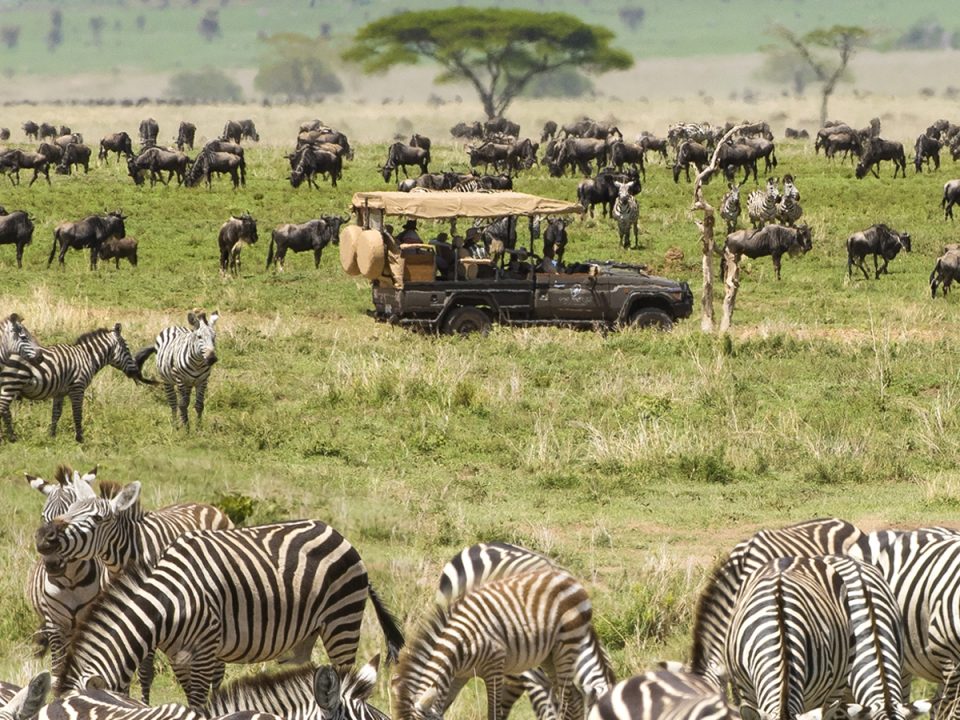
Kenya’s wildlife viewing is also excellent during the dry seasons. The Maasai Mara becomes especially popular during the period associated with the Great Migration, when large herds of wildebeest and other animals move through the ecosystem.
However, peak-season travel can be more expensive.
Traveling during shoulder or low seasons can sometimes provide lower accommodation rates and fewer crowds.
If your priority is saving money, ask Mandrill African Safaris about budget safari packages in Uganda and Kenya and flexible travel dates.
Sample Uganda and Kenya Safari Itinerary
A 12- to 14-day itinerary can provide a good balance between gorilla trekking and classic East African wildlife.
Day 1: Arrival in Uganda
Arrive at Entebbe International Airport and transfer to your hotel.
Day 2: Entebbe – Kibale Forest
Travel toward Kibale Forest National Park, enjoying Uganda’s beautiful countryside along the way.
Day 3: Chimpanzee Trekking
Enjoy chimpanzee trekking in Kibale Forest, one of Uganda’s premier primate destinations.
Day 4: Kibale – Queen Elizabeth National Park
Continue to Queen Elizabeth National Park for an afternoon game drive.
Day 5: Queen Elizabeth National Park
Enjoy a morning game drive followed by a boat cruise on the Kazinga Channel.
Day 6: Queen Elizabeth – Bwindi
Travel toward Bwindi Impenetrable National Park, passing through scenic southwestern Uganda.
Day 7: Gorilla Trekking
Spend the day tracking mountain gorillas in their natural habitat.
Day 8: Bwindi – Entebbe or Nairobi
Depending on the chosen route, travel by road or flight toward Kenya.
Day 9: Nairobi – Maasai Mara
Travel to the Maasai Mara for an afternoon game drive.
Day 10: Maasai Mara
Enjoy a full-day game drive searching for lions, elephants, leopards, buffaloes, cheetahs, giraffes, and other wildlife.
Day 11: Maasai Mara – Nairobi
Return to Nairobi, with optional activities depending on your schedule.
Days 12–14: Extend Your Kenya Safari
Travelers with additional time can add Lake Nakuru, Amboseli, Samburu, or another Kenyan destination.
This itinerary can be shortened, extended, or redesigned according to your interests and budget.
How to Save Money on a Uganda Kenya Safari
A combined safari does not have to be extremely expensive. Smart planning can significantly reduce the overall cost.
Travel as a Small Group
Joining a small group allows you to share transportation costs.
Choose Mid-Range Accommodation
Mid-range lodges often provide an excellent balance between comfort and affordability.
Travel During Shoulder Seasons
Accommodation and other services may be more affordable outside peak travel periods.
Book Early
Early planning can help secure gorilla permits, preferred accommodation, and transportation arrangements.
Avoid Unnecessary Transfers
A well-designed itinerary minimizes backtracking and unnecessary driving, helping reduce fuel and transportation expenses.
Combine Destinations Efficiently
Instead of moving randomly between parks, arrange destinations geographically. This can save time and money.
What Is Usually Included in a Uganda and Kenya Safari Package?
A safari package from a professional tour operator may include:
- Airport transfers
- Accommodation
- Meals according to the itinerary
- Private or shared 4×4 safari vehicle
- Professional English-speaking driver-guide
- Game drives
- National park entrance fees
- Boat trips where included
- Gorilla permit where specifically stated
- Chimpanzee trekking permit where applicable
- Drinking water during game drives
- Ground transportation
Always confirm the exact inclusions before paying a deposit because packages vary between operators.
What Is Usually Excluded?
Common exclusions include:
- International flights
- Travel insurance
- Visa fees
- Personal shopping
- Alcoholic drinks
- Laundry
- Tips
- Optional activities
- Personal expenses
- Additional accommodation outside the itinerary
Understanding what is included and excluded helps you compare Uganda and Kenya safari packages accurately.
Why Book Your Uganda and Kenya Safari With Mandrill African Safaris?
Choosing the right safari company can make a significant difference to your experience.
Mandrill African Safaris specializes in customized East African safari experiences, including Uganda gorilla trekking, Uganda wildlife safaris, Kenya safaris, and combined East African adventures.
Our safari planning approach focuses on matching each traveler with an itinerary that suits their interests, travel dates, accommodation preferences, and budget.
Whether you are looking for a budget Uganda Kenya safari, a comfortable mid-range adventure, or a luxury African safari, we can help you design a practical itinerary.
Final Thoughts: Planning Your Uganda and Kenya Safari Cost
The cost of a Uganda and Kenya safari depends on much more than the number of days. Gorilla permits, accommodation, transportation, park fees, activities, group size, and travel season all influence the final price.
The advantage of booking a combined safari is that you can experience the unique strengths of both countries in one East African adventure. Uganda offers unforgettable gorilla and chimpanzee experiences, while Kenya provides exceptional savannah wildlife and the iconic Maasai Mara.
Before booking, compare the full package rather than focusing only on the advertised daily rate. A slightly more expensive package may offer better accommodation, a more efficient route, experienced guides, or more activities.
Ready to plan your Uganda and Kenya safari? Contact Mandrill African Safaris for a customized safari itinerary and quotation based on your travel dates, interests, and budget.
Contact Mandrill African Safaris
Mandrill African Safaris
Rwamugyenyi Business Center
P.O. Box 185357, Kampala, Uganda
Phone: +256 783 521691 / +256 706 191531
Email: info@mandrillafricasafaris.com
Website: mandrillafricasafaris.com