How to Plan an Affordable Multi-Country African Safari
2026-10-02
Uganda and Kenya Safari Cost: What You Need to Know Before You Travel
2026-10-06Best Time to Combine Kenya and Tanzania for the Great Migration
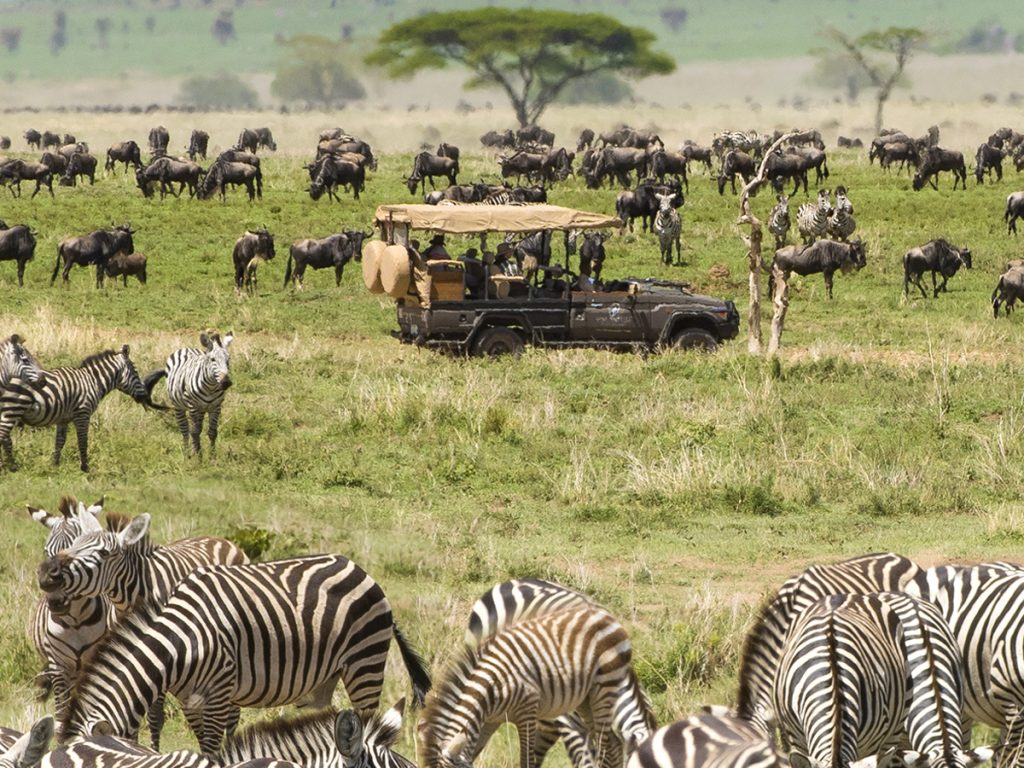
Planning a Kenya and Tanzania safari is one of the best ways to experience East Africa’s extraordinary wildlife landscapes in one journey. For travelers who want to witness the Great Wildebeest Migration, combining Tanzania’s Serengeti National Park with Kenya’s Maasai Mara National Reserve offers an opportunity to follow part of the migration across the wider Serengeti-Mara ecosystem.
The best time to combine Kenya and Tanzania for the Great Migration is generally from July to October, when the herds move through the northern Serengeti and Maasai Mara region. However, the migration is a year-round natural cycle rather than a single event that happens on fixed dates. The exact location of the animals changes according to rainfall, grazing conditions and water availability.
For travelers who want to combine the migration with the Big Five, spectacular landscapes, cultural experiences and classic East African game drives, a carefully planned Kenya–Tanzania safari can provide an exceptionally varied wildlife experience.
Why Combine Kenya and Tanzania for the Great Migration?
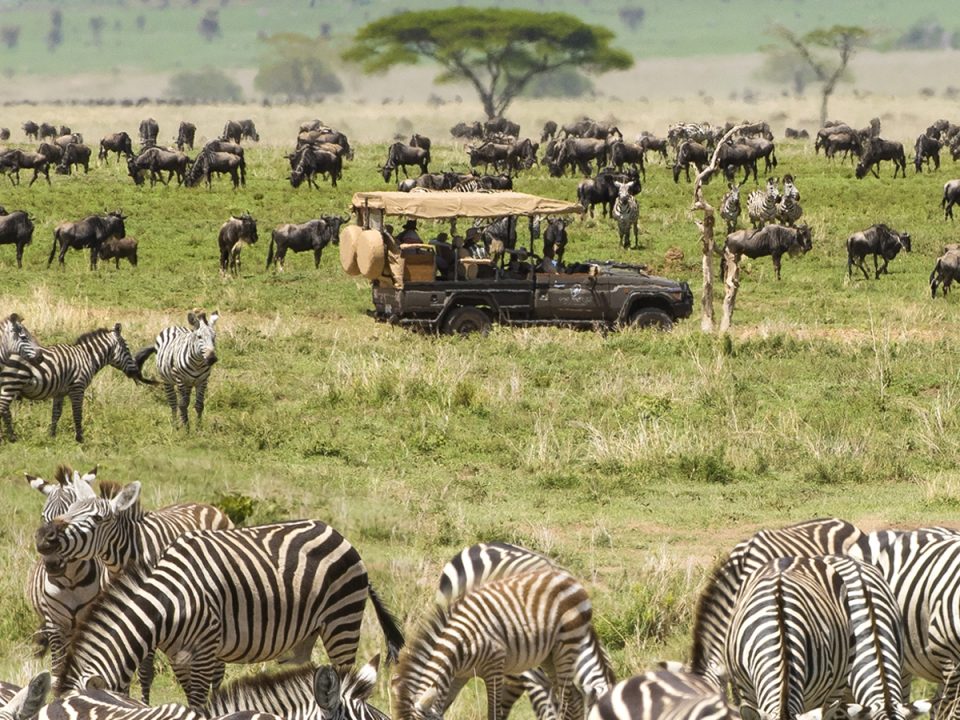
The Great Migration moves through the connected Serengeti-Mara ecosystem, crossing the international border between Tanzania and Kenya as the animals search for fresh grazing and water.
Tanzania’s Serengeti forms the southern and central part of this ecosystem, while Kenya’s Maasai Mara forms an important northern section. Tanzania’s national park authority describes the Serengeti as home to more than 1.5 million wildebeest, zebras and other animals participating in the world’s largest terrestrial mammal migration.
Combining the two countries allows travelers to experience more than one side of this enormous ecosystem.
A typical combined safari can include:
- Serengeti National Park
- Ngorongoro Conservation Area
- Tarangire National Park
- Maasai Mara National Reserve
- Amboseli National Park
- Lake Nakuru National Park
- Nairobi
- Cultural experiences with local communities
The result is more than a migration safari. It becomes a complete East African wildlife adventure.
Best Months for a Kenya and Tanzania Migration Safari
July – The Migration Moves North
July is one of the most popular months for a Kenya Tanzania safari because large numbers of wildebeest begin moving toward the northern Serengeti and Maasai Mara ecosystem.
TANAPA lists June to October as a dry-season period for visiting the Serengeti, while Magical Kenya identifies July to October as the key period for experiencing the migration in the Maasai Mara.
July can therefore be an excellent month for travelers who want to combine:
Northern Serengeti + Maasai Mara + Big Five wildlife viewing.
However, travelers should remember that the exact timing of river crossings cannot be guaranteed. The wildebeest may gather at a riverbank for hours or days before crossing, or they may change direction.
August – A Popular Month for River Crossing Experiences
August is often associated with the spectacular Mara River crossings.
During this period, travelers may have opportunities to watch wildebeest and zebras gather near the Mara River and attempt crossings between Tanzania and Kenya. The event can involve steep riverbanks, strong currents and crocodiles.
Tanzania’s Serengeti management authority has specific guidelines for viewing Mara River crossings, including designated viewing areas and requirements for vehicles to remain stationary at designated sites.
August is particularly attractive to wildlife photographers because the combination of large herds, dramatic landscapes and predator activity can create exceptional photography opportunities.
September – Excellent for the Maasai Mara
September can be another strong month for a Kenya and Tanzania Great Migration safari.

Some herds may still be in the Maasai Mara, while others may begin moving south toward Tanzania. Because the migration follows ecological conditions rather than a strict timetable, September can provide excellent wildlife viewing without relying on a specific predicted crossing date.
The Maasai Mara is also excellent for seeing resident lions, leopards, cheetahs, elephants, buffaloes and other wildlife independent of the migration.
For travelers who want to spend more time in Kenya, September can be incorporated into a route such as:
Nairobi → Amboseli → Maasai Mara → Serengeti → Ngorongoro.
October – End of the Northern Migration Season
October can provide opportunities to see the remaining herds in the Maasai Mara and northern Serengeti before many animals continue their journey south.
Kenya’s tourism information identifies July through October as the key migration period in the Maasai Mara.
October can also be attractive to travelers looking for a broader wildlife itinerary because the safari does not need to focus entirely on river crossings.
A traveler could combine the Maasai Mara with:
- Amboseli elephants
- Lake Nakuru wildlife
- Serengeti game drives
- Ngorongoro Crater
- Tarangire National Park
What About January to March?
If your priority is calving rather than river crossings, January to March is another important period to consider.
The migration is a year-round cycle. Tanzania’s Serengeti National Park identifies January and February as a period associated with calving, while Kenya’s tourism information describes January to March as an important period for wildebeest calving in the wider ecosystem.
During the calving season, visitors may see large concentrations of young wildebeest alongside zebras and other herbivores. Predators are also active because vulnerable young animals provide abundant hunting opportunities.
Therefore, travelers should not assume that a Great Migration safari only means July and August.
If your interests include calving, predator activity and newborn wildlife, January to March can be particularly interesting.
June: A Transition Period
June can be an exciting month for travelers who want to see the migration developing in Tanzania.
As conditions change, herds move through the Serengeti toward northern grazing areas. Tanzania’s official Serengeti information lists June to October as the dry-season period associated with migration viewing.
A June safari can therefore focus strongly on Tanzania before adding Kenya later in the itinerary, depending on the observed location of the herds.
A possible route is:
Arusha → Tarangire → Ngorongoro → Central Serengeti → Northern Serengeti → Maasai Mara.
How Many Days Do You Need?
For travelers combining Kenya and Tanzania specifically for the Great Migration, 10 to 14 days provides useful flexibility.
A shorter itinerary may focus on the most important migration areas, while a longer itinerary allows more time for game drives and reduces the pressure of moving between destinations.
Example 12-Day Kenya–Tanzania Safari
Day 1: Arrival in Nairobi
Day 2: Nairobi – Amboseli National Park
Day 3: Amboseli – Nairobi
Day 4: Nairobi – Maasai Mara
Day 5: Full-day Maasai Mara game drive
Day 6: Maasai Mara – Nairobi – flight/transfer toward Tanzania
Day 7: Serengeti National Park
Day 8: Full-day Serengeti game drive
Day 9: Serengeti – Ngorongoro
Day 10: Ngorongoro Crater safari
Day 11: Tarangire National Park
Day 12: Departure
The itinerary can be modified according to the location of the migration, available flights, border arrangements, accommodation preferences and the traveler’s budget.
Kenya or Tanzania First?
There is no single route that works for every traveler.
The best order depends partly on the season and location of the herds.
During the July–October migration period, a route may be designed around northern Tanzania and Kenya’s Maasai Mara. For example:
Tanzania → Kenya
Arusha → Ngorongoro → Serengeti → Maasai Mara → Nairobi
Alternatively:
Kenya → Tanzania
Nairobi → Maasai Mara → Serengeti → Ngorongoro → Arusha
The important consideration is not simply following a fixed itinerary but building the safari around the migration’s approximate location at the time of travel.
Why the Exact Migration Date Cannot Be Guaranteed
One of the biggest mistakes travelers make when planning a Great Migration safari is expecting the animals to follow an exact calendar.
The migration responds to natural conditions.
Rainfall affects vegetation. Vegetation affects grazing. Water availability influences movement. As a result, the herds may arrive earlier or later than expected.
This is particularly important when planning around the Mara River crossing.
Even during the commonly recommended July–October period, a river crossing is a natural event and cannot be scheduled like a hotel check-in.
Tanzania’s official Mara River guidelines emphasize responsible viewing and require vehicles to follow designated crossing procedures.
A good safari operator should therefore help travelers understand the seasonal pattern without promising a particular crossing on a specific day.
Great Migration Safari for Wildlife Photographers
The Kenya–Tanzania combination is also highly attractive for wildlife photography safaris.
Photographers can capture different aspects of the migration depending on the month:
January–March: Calving and young animals
June–July: Herd movement and gathering
August–September: Potential river-crossing scenes and large concentrations of wildlife
October: Herds beginning to move south
The Serengeti and Maasai Mara also offer excellent opportunities to photograph predators, elephants, giraffes, zebras, birds and dramatic African landscapes.
Photographers should carry a telephoto lens, spare batteries, memory cards, dust protection and suitable clothing for early morning game drives.
How to Choose Accommodation
Accommodation is an important part of planning a Kenya Tanzania safari package.
In the Maasai Mara and Serengeti, travelers can choose from:
- Budget camps
- Mid-range lodges
- Tented camps
- Luxury safari lodges
- Mobile migration camps
During the peak migration season, demand for accommodation can be high. Booking early is therefore advisable, particularly for travelers targeting July, August and September.
The best accommodation is not necessarily the most expensive. Location can be more important, especially when the purpose of the safari is to follow the migration.
Combine the Great Migration With the Big Five
One advantage of combining Kenya and Tanzania is the opportunity to experience the migration alongside classic Big Five safari experiences.
The Serengeti is home to lions, leopards, elephants, buffaloes and rhinoceros, while the Maasai Mara is also renowned for predator and plains wildlife.
Travelers can also add destinations such as:
Amboseli National Park: Famous for elephant viewing and views toward Mount Kilimanjaro.
Ngorongoro Crater: Excellent for concentrated wildlife viewing and dramatic scenery.
Tarangire National Park: Known for elephants, baobabs and diverse wildlife.
Lake Nakuru: Useful for adding another Kenyan wildlife destination.
This makes a Kenya–Tanzania safari suitable for couples, families, photographers, first-time safari travelers and experienced wildlife enthusiasts.
Tips for Planning Your Kenya–Tanzania Great Migration Safari
1. Book Early
July to October is a highly requested migration period. Reserve accommodation, permits and transport well in advance.
2. Keep Your Dates Flexible
If possible, allow several days in the migration region rather than planning only one day for a river crossing.
3. Choose Location Over Luxury
A conveniently located camp can provide better access to wildlife than accommodation selected purely because of its luxury rating.
4. Work With an Experienced Safari Operator
A local safari company can adjust the itinerary according to seasonal conditions and logistical requirements.
5. Carry Appropriate Clothing
Kenya Wildlife Service recommends adaptable clothing because temperatures can vary considerably between early mornings and warmer daytime conditions.
6. Respect Wildlife and Park Regulations
Visitors should follow guide instructions and park rules, particularly around river crossings and wildlife encounters.
Book Your Kenya and Tanzania Great Migration Safari With Mandrill African Safaris
The best time to combine Kenya and Tanzania for the Great Migration is generally July to October, especially for travelers interested in the northern Serengeti and Maasai Mara. However, the migration is a continuous natural cycle, and different months offer different experiences.
January to March can provide calving experiences, June can offer opportunities to witness the herds moving north, while July to October is the main period associated with the northern migration and potential Mara River crossings.
At Mandrill African Safaris, we can help you design a customized Kenya and Tanzania safari package around your travel dates, budget, preferred accommodation and wildlife interests.
Whether you want to experience the Great Wildebeest Migration, Mara River crossings, Serengeti wildlife, Maasai Mara game drives or the Big Five, combining Kenya and Tanzania creates an opportunity to explore two of East Africa’s most iconic safari destinations in one carefully planned journey.
Plan your Kenya–Tanzania Great Migration safari with Mandrill African Safaris and turn your East African wildlife dream into an unforgettable adventure.