

Loango National Park: Africa’s Ultimate Wildlife Experience
2025-12-15
Adventure Tourism in Gabon: Forests, Rivers, and Remote Trails
2025-12-15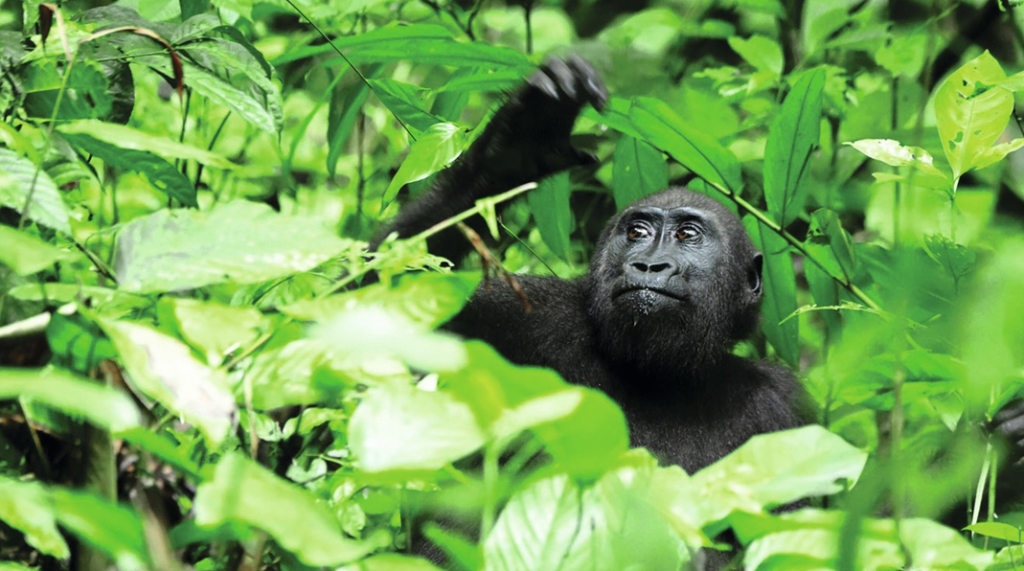
Tracking Gorillas and Chimpanzees in Gabon’s Rainforests
Explore Gabon’s rainforest magic with Mandrill African Safaris. Practical tips for tracking western lowland gorillas and chimpanzees in Loango, Ivindo and Lopé National Parks — permits, what to pack, best time to go, and how to travel responsibly.
Gabon is often called “Africa’s Last Eden” — a place where inland rainforest spills toward the Atlantic, and ancient trails still echo with calls of primates. For wildlife lovers, Gabon offers a rare, off-the-beaten-track primate experience: tracking western lowland gorillas and chimpanzees in towering rainforest, forest clearings (bais), and remote river valleys. This guide explains where to go, what to expect, how to prepare, and why choosing a responsible operator like Mandrill African Safaris will make the difference between a good trip and a life-changing one.
Why Gabon for gorilla and chimpanzee tracking?
Unlike the mountain gorillas of Uganda and Rwanda, Gabon is home to western lowland gorillas and substantial populations of central chimpanzees. The wildlife here lives in dense, expansive rainforests—so sightings feel wild, private, and profoundly authentic. Gabon’s best primate destinations combine biodiversity (primates, forest elephants, mandrills) with low visitor numbers, translating to exclusive encounters and minimal overtourism.
Where to track gorillas and chimpanzees in Gabon
Loango National Park — coastal rainforest + habituated gorilla groups
Loango has become Gabon’s signature primate destination: a mosaic of rainforest, savannah and coastline where small, habituated groups of western lowland gorillas are visited under strict, low-impact rules. Treks here are intimate—often limited to very small groups—and combine rugged jungle hiking with boat travel through wetlands. If you want an exclusive, conservation-focused gorilla encounter, Loango is usually top of the list.
Ivindo National Park (Langoué Bai & Momba Baï) — forest clearings and deep jungle
Ivindo is famed for Langoué Bai, a massive forest clearing where concentrations of gorillas, forest elephants and other species congregate. While tracking often means penetrating dense interior forest, the bais offer spectacular, reliable wildlife viewing—an ideal complement to mobile rainforest treks. Ivindo also offers opportunities to see chimpanzees during forest surveys and river excursions.
Lopé (Lopé-Okanda) and Moukalaba-Doudou — chimpanzee country and mixed habitats
Lopé National Park’s blend of forest island habitats and savannah supports chimpanzees and other primates; the Mikongo conservation hub and guided forest walks increase chances of encounters. Moukalaba-Doudou in the southwest is another rising area where gorillas and chimps have been recorded and where adventurous safaris combine primate tracking with remote beaches and savannahs.
Permits, costs and practical booking notes
Gabonese gorilla/primates permits and specialist guiding are required for most tracking activities. Permit fees and logistical costs in Gabon are higher than many East African options because of the remoteness, conservation funding, and low visitor numbers; a ballpark figure often cited for gorilla trek permits is approximately USD $400–$600 per trek, though prices vary by park, season and operator. Always confirm current permit costs and availability with your operator before booking.
Booking tips
-
Book early: Loango habituated gorilla visits and Ivindo bai stays have strict limits and sell out.
-
Expect domestic flights or long drives from Libreville to park gateways; itineraries often include charter flights, boats and multi-day drives.
Best time to go
The dry season generally brings easier trekking and better logistics. In Gabon, dry-ish windows are typically from May to September and a shorter dry patch December–January depending on region — but rainforest conditions can be variable. If your priority is tracking primates with fewer muddy trails and more manageable hikes, aim for the drier months and confirm specifics with your guide.
What to expect on a tracking day
-
Early starts: Tracking often begins at dawn after briefings with trackers and rangers.
-
Variable hikes: Trails can be steep, muddy, and overgrown. Expect long bushwalks and occasional creek crossings. Fitness matters.
-
Habituation rules: Time-limited viewing (often one hour), strict distance rules, and small group sizes to minimize stress and disease risk. In Loango, groups are kept tiny to protect gorilla welfare and preserve the quality of the encounter.
-
Unpredictability: Unlike open savannah game drives, rainforest tracking is unpredictable—sometimes the reward is immediate, sometimes the best you get is observing fresh nests, feeding signs, or hearing calls.
Responsible tracking: conservation, safety, and etiquette
Primate tourism can fund conservation—but only when it adheres to strict welfare and community standards.
Key responsible practices:
-
Keep distance & follow guide instructions. Close approaches and sudden moves stress apes and can transmit disease.
-
No food or smoking near apes. Keep masks on if requested (disease transmission risk).
-
Small groups & short viewing windows protect gorilla social structure; respect these limitations.
-
Support local communities: Choose operators that reinvest in community projects and hire local trackers and porters.
Health & safety — vaccinations, fitness and gear
-
Vaccinations: Yellow fever certificate is typically required to enter Gabon; consult a travel health clinic for up-to-date malaria prophylaxis and other recommended shots.
-
Fitness: Rainforest treks can be strenuous. Prepare with hill walking, carry a light daypack, and bring gaiters if you have them.
-
Packing essentials: Sturdy hiking boots, long-sleeved breathable clothing, insect repellent, rain shell, water purification tablets, binoculars, camera with tele lens and spare batteries, gloves for bush handling, small first aid kit. Mandrill African Safaris provides detailed packing lists tailored to each itinerary.
Photography tips
-
Use a fast lens (f/2.8–f/5.6) and moderate ISO — rainforest light is low.
-
Respect buffer distance; noisy flashes are usually prohibited.
-
Aim for natural behavior shots: feeding, grooming, movement across trail clearings and the dramatic silhouette shots in bais.
-
Stabilize with a monopod if you have to hike long distances.
Sample 7–10 day Gabon primate itinerary (what Mandrill African Safaris typically crafts)
-
Day 1: Arrive Libreville — briefing & prep.
-
Day 2: Domestic transfer or charter to gateway; transfer to Loango / Lopé staging area.
-
Days 3–5: Gorilla tracking (Loango) or bai visits (Ivindo) with nights in eco-camps.
-
Day 6: Chimpanzee-focused walk at Lopé or Mikongo center; cultural visit to a local village.
-
Day 7–8: Coastal safari extension (Loango) or return to Libreville with wildlife-spotting en route.
Mandrill African Safaris builds flexible itineraries that combine primates with forest elephants, mandrills and coastal wildlife for a full-sensory Gabon experience.
Why travel with Mandrill African Safaris?
-
Local know-how: We design routes that maximize ethical primate viewing while minimizing footprint.
-
Conservation-first approach: Our trips partner with on-ground research and community initiatives so tourism directly supports protection of habitat and livelihoods.
-
Safety and logistics expertise: Remote travel in Gabon requires experience — domestic charters, river transfers and sustainable camp logistics are our specialty. (See our Gabon primate safaris page for current departures and custom options.)
FAQs (quick answers for searchers)
Q: Can I see gorillas and chimpanzees on the same trip?
A: Yes — routes combining Loango/Ivindo and Lopé or Moukalaba-Doudou can include both species, but expect more travel and slightly higher costs due to remoteness.
Q: Are gorilla encounters guaranteed?
A: No wildlife encounter is 100% guaranteed. Gabon offers excellent chances—especially at habituated sites and bais—but tracks and weather affect outcomes.
Q: How much should I budget?
A: Budget for international flights to Libreville, domestic transfers/charters, permits (~USD $400–$600 range per trek as a rough guide), accommodation and guide fees. Exact quotes are itinerary-specific.


