

Discover Africa’s Best-Kept Secrets: Specific Safari Locations & Hidden Gems You Must Visit
2026-03-18
The Unique Ecosystem of Bwindi Impenetrable Forest: Africa’s Living Jungle
2026-03-19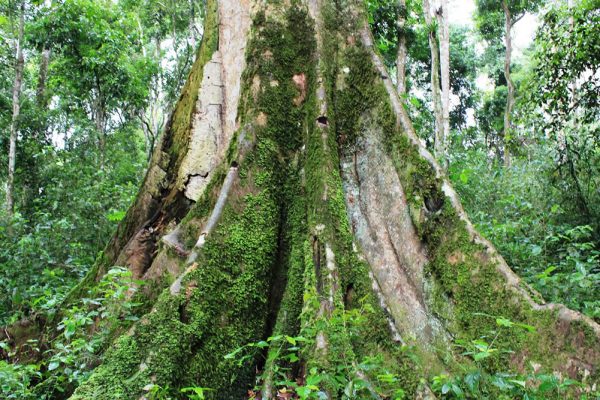
The Hidden Forest: Why Mabira Forest is Crucial for Biodiversity
By Mandrill African Safaris
Discover why Mabira Forest in Uganda is a vital biodiversity hotspot. Explore its wildlife, bird species, conservation importance, and why it should be on your eco-tourism itinerary.
Introduction
Tucked quietly between Kampala and Jinja lies one of Uganda’s most underrated natural treasures—Mabira Forest. Often overshadowed by the country’s famous savannah parks and gorilla trekking destinations, Mabira Forest remains a hidden gem that plays a critical role in preserving Uganda’s biodiversity.
This lush tropical rainforest is more than just a scenic stopover; it is a living ecosystem that supports hundreds of plant species, rare primates, birds, and insects. For nature lovers, researchers, and eco-conscious travelers, Mabira Forest offers an authentic and immersive experience into Uganda’s ecological richness.
So why is this forest so important? Let’s dive into what makes Mabira Forest a crucial biodiversity hotspot in East Africa.
What is Mabira Forest?
Mabira Forest is one of Uganda’s largest surviving natural forests, covering approximately 306 square kilometers. Located along the Kampala–Jinja highway, it serves as a green lung for central Uganda and a key ecological corridor connecting various ecosystems.
Managed by the National Forestry Authority, the forest is protected as a Central Forest Reserve, ensuring its flora and fauna continue to thrive despite increasing pressure from human activities.
A Rich Haven of Biodiversity
1. Diverse Plant Species
Mabira Forest is home to over 300 tree species, some of which are rare and endemic to the region. Towering mahogany trees, fig trees, and dense undergrowth create a multi-layered canopy that supports life at every level.
These trees are not only vital for carbon storage but also provide food and shelter for countless organisms. The forest acts as a natural climate regulator, helping to maintain rainfall patterns and reduce the effects of climate change.
2. Wildlife and Primates
One of the most exciting aspects of visiting Mabira Forest is encountering its wildlife. The forest is home to several primate species, including:
-
Vervet monkeys
-
Red-tailed monkeys
-
Grey-cheeked mangabeys
These primates play a key role in seed dispersal, ensuring the regeneration of the forest ecosystem.
You may also spot small mammals, reptiles, and a variety of insects that contribute to the delicate balance of this environment.
3. Birdwatcher’s Paradise
For bird enthusiasts, Mabira Forest is nothing short of magical. With over 300 bird species recorded, it is one of the best birding destinations in Uganda.
Notable species include:
-
African grey parrot
-
Nahan’s francolin (a globally threatened species)
-
Great blue turaco
The forest’s dense vegetation and water sources make it an ideal habitat for both resident and migratory birds, attracting birders from around the world.
Why Mabira Forest is Crucial for Biodiversity
1. A Refuge for Endangered Species
As urbanization and deforestation continue to threaten natural habitats, Mabira Forest serves as a safe haven for endangered and vulnerable species.
Without protected areas like Mabira, many of these species would face extinction due to habitat loss and human encroachment.
2. Climate Regulation and Carbon Storage
Forests like Mabira play a significant role in mitigating climate change. The dense vegetation absorbs carbon dioxide, helping to reduce greenhouse gases in the atmosphere.
In addition, the forest helps regulate local temperatures and rainfall patterns, which are essential for agriculture and livelihoods in surrounding communities.
3. Water Catchment and Soil Protection
Mabira Forest is a vital water catchment area, feeding streams and rivers that support nearby communities and ecosystems.
Its root systems prevent soil erosion, protect water quality, and maintain the integrity of the landscape. Without the forest, the region would face increased flooding, soil degradation, and water shortages.
4. Supporting Local Livelihoods
Beyond its ecological importance, Mabira Forest also supports local communities. Sustainable activities such as eco-tourism, guided nature walks, and research initiatives provide income while promoting conservation.
By engaging local communities in conservation efforts, Mabira Forest becomes a shared resource that benefits both people and nature.
Top Activities in Mabira Forest
1. Nature Walks and Hiking
Explore scenic trails that wind through dense forest, offering opportunities to spot wildlife and enjoy the tranquility of nature.
2. Bird Watching
With expert guides from Mandrill African Safaris, visitors can identify rare and endemic bird species in their natural habitat.
3. Zip-lining Adventure
For thrill-seekers, Mabira Forest offers one of Uganda’s most exciting zip-lining experiences, allowing you to glide above the forest canopy.
4. Cultural Encounters
Interact with local communities and learn about traditional practices that have coexisted with the forest for generations.
Conservation Challenges Facing Mabira Forest
Despite its importance, Mabira Forest faces several threats:
-
Illegal logging
-
Agricultural encroachment
-
Charcoal burning
-
Urban expansion
These activities not only destroy habitats but also disrupt the ecological balance of the forest.
Conservation organizations and the Ugandan government are working tirelessly to protect the forest, but sustainable tourism and public awareness are key to its long-term survival.
How You Can Help Protect Mabira Forest
As a traveler or conservation enthusiast, you can make a difference:
-
Choose eco-friendly tour operators like Mandrill African Safaris
-
Avoid littering and respect wildlife
-
Support conservation initiatives
-
Educate others about the importance of forests
Every small action contributes to preserving this incredible ecosystem.
Why Visit Mabira Forest with Mandrill African Safaris?
At Mandrill African Safaris, we believe in responsible tourism that benefits both travelers and the environment. Our guided tours to Mabira Forest are designed to:
-
Offer immersive nature experiences
-
Promote conservation awareness
-
Support local communities
Whether you’re looking for a short day trip or a deeper eco-adventure, Mabira Forest is a destination that delivers both beauty and purpose.
Conclusion
Mabira Forest is more than just a forest—it is a lifeline for biodiversity, a shield against climate change, and a source of livelihood for local communities.
In a world where natural habitats are rapidly disappearing, protecting places like Mabira Forest is not just important—it is essential.
So next time you think about exploring Uganda, don’t just chase the big names. Step into the hidden forest, breathe in its life, and become part of its story.
FAQs
1. Where is Mabira Forest located?
Mabira Forest is located between Kampala and Jinja in central Uganda, making it easily accessible for day trips.
2. What is Mabira Forest known for?
It is known for its rich biodiversity, including primates, bird species, and diverse plant life.
3. Can I visit Mabira Forest in one day?
Yes, Mabira Forest is perfect for a one-day excursion with activities like hiking, bird watching, and zip-lining.
4. Is Mabira Forest safe for tourists?
Yes, it is safe, especially when visiting with experienced guides like Mandrill African Safaris.
5. Why is Mabira Forest important for conservation?
It protects endangered species, regulates climate, preserves water sources, and supports local livelihoods.


