

Walking Safaris in Uganda: A Closer Look at the Albertine Rift Wildlife
2026-02-04
Unique Species & Behavioral Observations in Africa: Beyond the Big Five
2026-02-04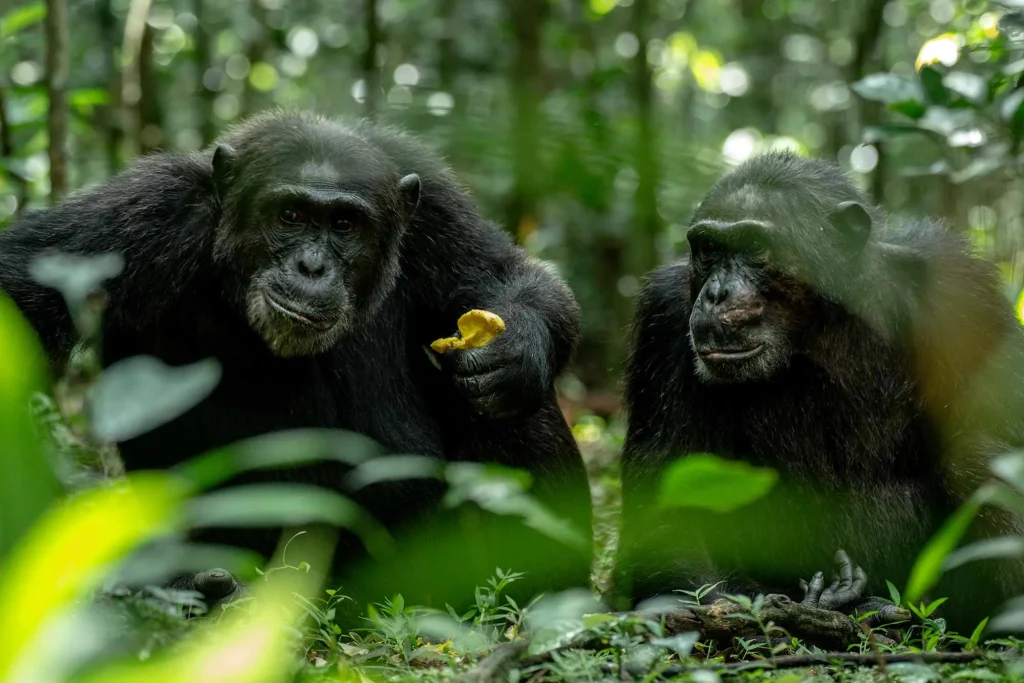
Responsible Tourism: Tracking Chimpanzees Without Impacting Their Environment
Chimpanzee tracking is one of Africa’s most thrilling wildlife experiences. Walking through dense tropical forests, listening to pant-hoots echo through the canopy, and finally locking eyes with our closest relatives in the wild is nothing short of magical. However, as interest in chimpanzee tracking grows, so does the responsibility to ensure that tourism does not harm the very ecosystems and animals it celebrates.
At Mandrill African Safaris, we believe that unforgettable wildlife encounters must go hand in hand with conservation. Responsible tourism is not a trend — it is a commitment to protecting chimpanzees, their habitats, and the local communities that coexist with them.
What Is Responsible Tourism?
Responsible tourism means traveling in a way that minimizes negative environmental impact, supports wildlife conservation, respects local cultures, and benefits host communities.
When it comes to chimpanzee tracking, responsible tourism focuses on:
-
Protecting chimpanzees from stress and disease
-
Preserving fragile forest ecosystems
-
Regulating visitor numbers
-
Supporting conservation programs and local livelihoods
Unlike mass tourism, responsible wildlife tourism prioritizes quality over quantity, ensuring that chimpanzees remain wild, healthy, and undisturbed.
Why Chimpanzees Need Special Protection
Chimpanzees share over 98% of their DNA with humans, making them highly susceptible to human diseases such as flu, COVID-19, and respiratory infections. They are also extremely intelligent, social, and emotionally sensitive animals.
Key Threats Facing Chimpanzees
-
Habitat loss due to deforestation and agriculture
-
Poaching and illegal wildlife trade
-
Human-wildlife conflict
-
Disease transmission from humans
-
Unregulated tourism
Responsible chimpanzee tracking is essential to reduce these threats while still allowing sustainable tourism.
How Responsible Chimpanzee Tracking Works
Chimpanzee tracking is carefully managed by wildlife authorities and conservation organizations. Every step of the experience is designed to limit disturbance and protect both chimpanzees and their environment.
1. Limited Group Sizes
Tracking groups are kept small (usually 6–8 people per group) to reduce noise, stress, and habitat damage.
2. Strict Time Limits
Visitors are allowed a maximum of one hour with chimpanzees once they are located. This prevents overexposure and behavioral changes.
3. Safe Viewing Distance
Tourists must maintain a minimum distance of 7–10 meters, even when chimpanzees move closer on their own.
4. Health Precautions
-
No tracking if you are sick
-
Mandatory face masks in some destinations
-
No eating, smoking, or littering in the forest
These measures help prevent disease transmission from humans to chimpanzees.
Low-Impact Forest Practices During Tracking
Responsible tourism goes beyond chimpanzees — it also protects their forest home.
Environmental Best Practices
-
Staying on designated trails
-
Avoiding damage to vegetation
-
Not touching plants or wildlife
-
Carrying out all trash
-
Using eco-friendly gear
Professional guides ensure that tracking routes rotate, allowing forest areas time to recover naturally.
Best Destinations for Responsible Chimpanzee Tracking in Africa
Africa is home to several world-class chimpanzee tracking destinations known for strong conservation practices.
Kibale Forest National Park (Uganda)
Often called the “Primate Capital of the World,” Kibale Forest is one of the best places for ethical chimpanzee tracking. The park combines scientific research, community involvement, and strict tourism regulations.
Budongo Forest Reserve (Uganda)
Budongo focuses heavily on conservation education and low-impact tourism, making it ideal for travelers who value sustainability.
Nyungwe Forest National Park (Rwanda)
Nyungwe is a model of responsible tourism, with excellent trail management, conservation funding, and community partnerships.
Mahale Mountains National Park (Tanzania)
Remote and pristine, Mahale offers one of the most exclusive and low-impact chimpanzee tracking experiences in Africa.
The Role of Professional Guides in Responsible Tourism
Experienced, trained guides are the backbone of ethical chimpanzee tracking.
Why Guides Matter
-
Interpret chimpanzee behavior to avoid stress
-
Enforce park rules and safety guidelines
-
Educate visitors on conservation
-
Ensure minimal environmental impact
At Mandrill African Safaris, we work exclusively with licensed local guides who are deeply knowledgeable about primate conservation.
Community Involvement: The Heart of Sustainability
Responsible tourism must benefit the people living around chimpanzee habitats.
How Chimpanzee Tourism Supports Communities
-
Employment for guides, rangers, porters, and lodge staff
-
Revenue sharing from park fees
-
Support for schools, health centers, and clean water projects
-
Incentives to protect forests instead of clearing them
When communities see real benefits from conservation, chimpanzees become valuable allies rather than competitors.
How Travelers Can Be Responsible Chimpanzee Trackers
Every visitor plays a role in protecting chimpanzees.
Responsible Traveler Checklist
-
Choose ethical tour operators
-
Follow all park rules without exception
-
Keep noise to a minimum
-
Never attempt selfies or close contact
-
Respect guide instructions
-
Avoid single-use plastics
-
Support eco-friendly lodges
Small actions make a big difference when multiplied across thousands of visitors.
Eco-Friendly Lodges and Sustainable Accommodation
Responsible tourism extends to where you stay.
What to Look for in Eco-Lodges
-
Solar power and water conservation
-
Waste recycling and composting
-
Local employment and sourcing
-
Low-impact construction
-
Conservation partnerships
Mandrill African Safaris partners with eco-conscious lodges that align with our sustainability mission.
Conservation Funding Through Tourism
Chimpanzee tracking permits and safari packages directly fund:
-
Anti-poaching patrols
-
Veterinary monitoring
-
Habitat restoration
-
Scientific research
-
Environmental education
Responsible tourism proves that wildlife is worth more alive than exploited.
Why Choose Mandrill African Safaris for Responsible Chimpanzee Tracking?
At Mandrill African Safaris, responsible tourism is at the core of everything we do.
Our Commitment
-
Customized low-impact safari itineraries
-
Ethical wildlife encounters
-
Support for conservation initiatives
-
Strong community partnerships
-
Small-group, meaningful experiences
We design safaris that leave footprints only on trails and lasting benefits for wildlife.
Frequently Asked Questions (FAQs)
Is chimpanzee tracking ethical?
Yes, when properly regulated and conducted under strict guidelines, chimpanzee tracking supports conservation and community development.
Can chimpanzee tracking harm the animals?
Irresponsible tourism can cause harm, but regulated tracking minimizes stress, disease risk, and environmental damage.
What is the minimum age for chimpanzee tracking?
Most parks require participants to be 12–15 years and above, depending on the destination.
What should I wear for chimpanzee tracking?
Long-sleeved shirts, long trousers, hiking boots, neutral colors, and rain gear are recommended.
How long does chimpanzee tracking take?
Tracking can last between 2–4 hours, depending on chimpanzee movement and forest conditions.
Does my permit fee help conservation?
Yes. Permit fees directly fund conservation, research, and community projects.
Final Thoughts: Travel That Protects What You Love
Chimpanzee tracking is not just an adventure — it is a privilege. Responsible tourism ensures that future generations will also experience the thrill of meeting chimpanzees in the wild.
By choosing ethical operators like Mandrill African Safaris, following conservation guidelines, and traveling consciously, you become part of the solution — helping protect Africa’s forests, wildlife, and communities.
Track chimpanzees responsibly. Travel with purpose. Leave a positive legacy.


