

3-Day Gorilla Trekking Safari to Bwindi National Park:
2025-11-24
The Importance of Community Conservation Around Bwindi National Park
2025-11-24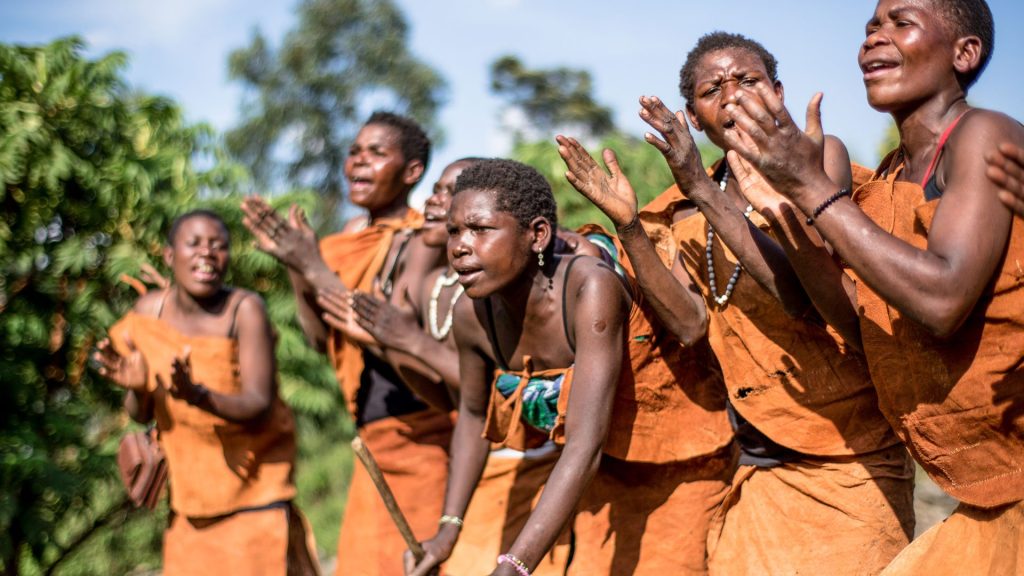
Meet the Batwa: The Indigenous People of Bwindi Forest
Discover the Batwa people of Bwindi Forest with Mandrill African Safaris. Learn their history, culture, traditions, and how responsible tourism supports their community.
Introduction: A Journey Beyond Gorilla Trekking
Bwindi Impenetrable Forest National Park is globally known for its mountain gorilla trekking, but hidden within its ancient trees lies a story even older—the story of the Batwa, the indigenous forest people of Uganda. For thousands of years, the Batwa lived in harmony with the forest, relying on its plants, wildlife, and rivers for survival. Their deep, spiritual connection to Bwindi made them natural guardians of the ecosystem long before conservation laws existed.
Today, with the guidance of Mandrill African Safaris, travelers have the opportunity to meet the Batwa, learn from their rich cultural heritage, and understand the vital role responsible tourism plays in supporting this unique community. This blog offers an in-depth look at the Batwa people, their history, traditions, and how you can experience their world respectfully and sustainably.
Who Are the Batwa? The First People of the Forest
The Batwa—often referred to as Pygmies due to their short stature—are believed to be among the earliest inhabitants of the Great Lakes region of Africa. For centuries, they lived as skilled hunters, gatherers, herbalists, and forest trackers, coexisting with the flora and fauna of Bwindi Impenetrable Forest.
Their culture revolved around:
-
Hunting small game using bows, spears, and traditional traps
-
Gathering fruits, honey, mushrooms, and medicinal plants
-
Performing sacred rituals, dances, and songs to honor the spirits of the forest
-
Building huts from leaves and branches
-
Passing knowledge orally from one generation to the next
The Batwa had extraordinary ecological knowledge and were masters of survival in one of Africa’s most biodiverse rainforest environments.
The Displacement of the Batwa and Its Impact
When Bwindi and Mgahinga were gazetted as national parks in 1991 to protect the critically endangered mountain gorillas, the Batwa were evicted from the forest without land, compensation, or alternative livelihoods. This sudden displacement marked the beginning of severe challenges:
-
Loss of traditional lifestyle
-
Poverty and marginalization
-
Limited access to healthcare and education
-
Cultural erosion
Many Batwa communities became dependent on neighboring villages and charitable organizations, struggling to adapt to a life vastly different from their ancestral forest world.
Today, the Batwa remain one of Uganda’s most vulnerable indigenous groups, yet also one of the most culturally rich and resilient. Responsible tourism—when done ethically—plays a crucial role in restoring dignity and providing sustainable support.
Why Visit the Batwa? A Cultural Experience Like No Other
Meeting the Batwa is more than a cultural tour—it is an emotionally rich and educational journey that goes far beyond sightseeing. With Mandrill African Safaris, travelers have the chance to experience:
1. Authentic Storytelling and Oral History
Sit with the elders as they share stories passed down through generations—tales about the forest, animals, survival, and spirituality. These stories offer insights into one of the last remaining hunter-gatherer cultures in East Africa.
2. Traditional Music and Dance
The Batwa express their identity through captivating dances and soulful songs. These performances are not just entertainment—they are expressions of cultural memory and resilience.
3. Forest Skills Demonstrations
Discover how the Batwa:
-
Make fire without matches
-
Use herbal plants for healing
-
Track animals using footprints and forest signs
-
Build traditional shelters
These demonstrations highlight their deep ecological knowledge of Bwindi Forest.
4. Visit the Batwa Craft Centre
Learn how Batwa artisans use natural materials to create jewelry, baskets, and art. Purchasing these crafts directly supports women’s groups and community projects.
5. A Chance to Support Indigenous Rights
Your visit contributes to education, healthcare, and land-support programs for Batwa families. Tourism provides income and a platform for the Batwa to share their identity with pride.
Batwa Cultural Experiences Offered by Mandrill African Safaris
At Mandrill African Safaris, we design ethical and respectful Batwa experiences that benefit both visitors and the indigenous community. Our tours ensure that the Batwa lead their own cultural presentations, giving them ownership and dignity.
1. The Batwa Cultural Trail in Bwindi
This guided experience takes you through:
-
Traditional forest entry rituals
-
Hunting techniques and herbal medicine displays
-
Visits to sacred sites and traditional homesteads
-
Storytelling with elders
-
Performances from Batwa dancers and drummers
It is immersive, educational, and suitable for all ages.
2. The Batwa Living History Experience
A reconstructed forest settlement demonstrates how the Batwa lived before eviction. Travelers can walk through forest huts, learn how children were raised, and explore how families survived using natural resources.
3. Community Walks Around Bwindi
Support Batwa families living in local villages as you learn about:
-
Their current lifestyle
-
Challenges faced after displacement
-
Efforts by NGOs to restore cultural pride
-
Sustainable income-generating activities
These walks are a powerful reminder of the importance of responsible travel in conserving both nature and culture.
How Mandrill African Safaris Promotes Responsible Batwa Tourism
Responsible tourism is at the core of our operations. We ensure that every Batwa experience is respectful, empowering, and financially beneficial to the community.
Our approach includes:
 Batwa-led cultural tours
The Batwa themselves are the guides, performers, and storytellers—allowing them to take pride in their heritage.
Fair compensation and community benefits
A significant portion of tour proceeds goes directly toward education, healthcare, and livelihood programs.
Partnership with local NGOs
We collaborate with organizations that advocate for Batwa land rights and cultural preservation.
Small-group cultural encounters
This ensures authenticity, reduces pressure on the community, and encourages meaningful interactions.
Educational tourism
We educate travelers on the Batwa’s history and challenges so they leave as advocates for indigenous rights.
By choosing Mandrill African Safaris, you become part of a mission to preserve the Batwa culture while supporting their path toward self-reliance.
What to Expect During a Batwa Visit
Travelers often describe their Batwa experience as deeply touching and transformative. Here’s what you can expect:
-
Warm welcomes filled with smiles and excitement
-
Interactive learning where you participate in activities
-
Authentic living-history demonstrations
-
A sense of community as children, elders, and adults participate
-
Opportunities for photography, but always with respectful permission
-
A chance to buy handmade crafts, directly supporting Batwa artisans
The experience is safe, guided, and suitable for families, students, researchers, and cultural travelers.
Why the Batwa Cultural Experience Complements Gorilla Trekking
Many travelers come to Bwindi for mountain gorilla trekking, one of Africa’s most sought-after wildlife adventures. However, adding a Batwa cultural experience:
-
Deepens your understanding of Bwindi’s human history
-
Enriches your safari itinerary with diversity beyond wildlife
-
Promotes responsible travel by supporting marginalized groups
-
Creates memorable human connections that stay with you long after your safari
With Mandrill African Safaris, you can easily combine gorilla trekking, wildlife safaris, and Batwa cultural tours for a comprehensive Uganda experience.
How Your Visit Makes a Difference
When you choose a Batwa experience with Mandrill African Safaris, you are making a positive impact:
1. Empowering Indigenous Communities
You support cultural preservation, education, and financial independence.
2. Promoting Sustainable Tourism
Your visit encourages responsible travel that respects nature and local cultures.
3. Helping Preserve Bwindi Forest
The Batwa are natural conservation partners—supporting them contributes to long-term forest protection.
4. Restoring Cultural Pride
Tourism gives the Batwa a platform to share their identity with dignity and confidence.
Plan Your Batwa Cultural Experience Today
A journey with Mandrill African Safaris is not just about travel—it is about connection, learning, and responsible exploration. Whether you are trekking gorillas, exploring Queen Elizabeth National Park, or visiting Bwindi’s beautiful communities, a Batwa cultural experience is an unforgettable highlight.


