

Why Uganda Is the Best Place for Rare Nocturnal Wildlife Safaris
2026-02-05
The Social Structure of Chimpanzees in Kibale:
2026-02-05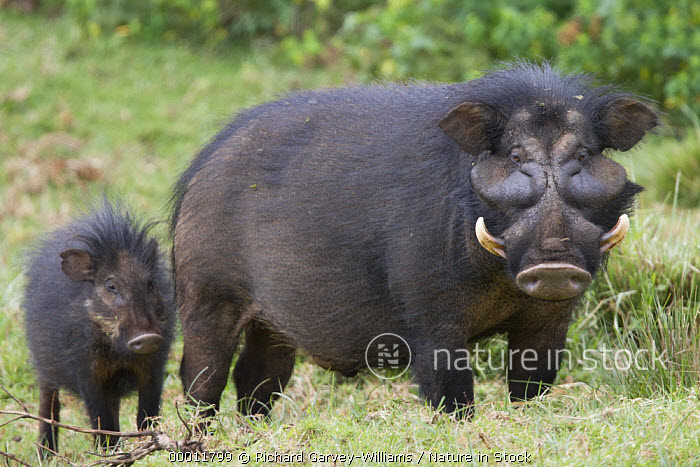
Mapping the Secret Habitats of the Giant Forest Hog in Queen Elizabeth National Park
Introduction: Africa’s Most Elusive Wild Pig
Deep within the dense thickets, forested gorges, and remote savannah-woodland mosaics of Queen Elizabeth National Park, lives one of Africa’s least understood large mammals—the Giant Forest Hog (Hylochoerus meinertzhageni). Rarely seen, seldom studied, and often overshadowed by lions, elephants, and leopards, this massive wild pig remains one of Uganda’s most mysterious species.
At Mandrill African Safaris, we believe that true safari experiences go beyond the Big Five. They uncover hidden species, secret habitats, and the conservation stories shaping Africa’s future. In this article, we explore how researchers and conservationists are mapping the secret habitats of the Giant Forest Hog in Queen Elizabeth National Park, why it matters, and how responsible tourism supports their protection.
Discover how conservationists are mapping the secret habitats of the Giant Forest Hog in Queen Elizabeth National Park and why this rare species matters for Uganda’s biodiversity.
Why the Giant Forest Hog Matters
The Giant Forest Hog is the largest wild pig species in the world, weighing up to 275 kg (600 lbs). Despite its size, it is incredibly elusive.
Key ecological roles:
-
Ecosystem engineer: Its rooting behavior aerates soil and aids seed dispersal
-
Indicator species: Presence signals healthy forest–savannah ecosystems
-
Food web balance: Prey for large predators like lions and leopards
Because they are shy, nocturnal, and inhabit dense vegetation, Giant Forest Hogs are rarely spotted—even by experienced safari guides.
Giant Forest Hog Habitat in Queen Elizabeth National Park
A Landscape of Diversity
Queen Elizabeth National Park is one of Africa’s most ecologically diverse protected areas, making it ideal habitat for the Giant Forest Hog.
Preferred environments include:
-
Dense riverine forests
-
Thicketed savannahs
-
Forest edges near crater lakes
-
Low-disturbance zones with access to water and cover
Key areas where Giant Forest Hogs are believed to occur:
-
Kalinzu Forest Reserve (bordering the park)
-
Ishasha sector
-
Maramagambo Forest
-
Remote valleys near the Kazinga Channel
The Challenge of Mapping a Secretive Species
Unlike elephants or buffalo, Giant Forest Hogs do not move in large visible herds during the day. This makes traditional wildlife surveys ineffective.
Major challenges include:
-
Nocturnal behavior
-
Dense vegetation cover
-
Low population density
-
Minimal vocalization
To overcome this, conservationists rely on innovative mapping techniques.
How Conservationists Map Giant Forest Hog Habitats
1. Camera Trap Technology
Motion-sensitive camera traps are placed along:
-
Game trails
-
Forest edges
-
Water sources
-
Rooting sites
These cameras capture nighttime activity and help identify:
-
Population presence
-
Movement corridors
-
Group size and behavior
2. GPS and Habitat Modeling
Researchers combine:
-
GPS location data
-
Vegetation maps
-
Rainfall patterns
-
Human activity zones
This data creates habitat suitability models, predicting where Giant Forest Hogs are most likely to thrive.
3. Ranger Patrol Data
Uganda Wildlife Authority (UWA) rangers play a critical role by recording:
-
Tracks and spoor
-
Rooting signs
-
Wallows and feeding sites
These observations are digitized and added to conservation databases.
4. Community Knowledge Integration
Local communities living near Queen Elizabeth National Park possess generations of ecological knowledge. Conservation teams increasingly collaborate with them to identify:
-
Historical habitat areas
-
Seasonal movement patterns
-
Human–wildlife conflict zones
Threats Facing the Giant Forest Hog
Despite living in a protected area, the Giant Forest Hog faces several threats:
Habitat Loss
-
Agricultural expansion around park boundaries
-
Encroachment into forest corridors
Poaching
-
Snares set for other animals
-
Bushmeat hunting
Human–Wildlife Conflict
-
Crop raiding near park edges
-
Retaliatory killings
Mapping habitats helps conservationists predict risk zones and deploy targeted protection.
Why Habitat Mapping Is Crucial for Conservation
Accurate habitat mapping allows:
-
Smarter anti-poaching patrols
-
Protection of critical feeding and breeding areas
-
Improved land-use planning around the park
-
Long-term population monitoring
Without knowing where Giant Forest Hogs live, protecting them becomes guesswork.
The Role of Sustainable Safari Tourism
Responsible tourism plays a powerful role in protecting lesser-known species.
How Mandrill African Safaris Contributes:
-
Promotes low-impact safari experiences
-
Supports conservation-focused itineraries
-
Educates guests about rare species
-
Works with local communities to reduce conflict
When travelers value biodiversity beyond famous animals, conservation funding becomes more inclusive.
Can You See a Giant Forest Hog on Safari?
Yes—but patience is key.
Best chances:
-
Early morning or late evening drives
-
Forest-edge game tracks
-
Guided nature walks with experienced rangers
While sightings are rare, knowing they exist adds depth to every safari experience.
Future of Giant Forest Hog Conservation in Uganda
Ongoing projects aim to:
-
Expand camera trap networks
-
Improve cross-border habitat mapping
-
Strengthen community conservation incentives
-
Integrate tourism data into research
With continued protection, Queen Elizabeth National Park may become one of the most important strongholds for Giant Forest Hogs in East Africa.
Why This Story Matters for Safari Travelers
Modern safari travelers are increasingly drawn to:
-
Authentic conservation stories
-
Rare and unusual wildlife
-
Ethical travel experiences
Understanding species like the Giant Forest Hog transforms a safari from sightseeing into meaningful exploration.
FAQs: Giant Forest Hog in Queen Elizabeth National Park
1. What is a Giant Forest Hog?
It is the largest wild pig species in the world, native to African forests and forest–savannah ecosystems.
2. Are Giant Forest Hogs dangerous?
They are generally shy and avoid humans, but like all wild animals, they can be aggressive if threatened.
3. Where can Giant Forest Hogs be found in Uganda?
They occur in Queen Elizabeth National Park, Bwindi forest edges, and parts of western Uganda.
4. Why are they rarely seen on safari?
They are nocturnal, live in dense vegetation, and avoid open areas during the day.
5. How does habitat mapping help conservation?
It identifies critical areas for protection, reduces poaching risk, and supports long-term species survival.
6. Can tourists support Giant Forest Hog conservation?
Yes—by choosing responsible tour operators, respecting park rules, and supporting community-based tourism.
Plan a Conservation-Focused Safari with Mandrill African Safaris
At Mandrill African Safaris, we design journeys that go beyond the obvious. From iconic wildlife to hidden species like the Giant Forest Hog, our safaris connect you with Uganda’s most remarkable natural stories—responsibly and authentically.
Contact us today to plan a safari that supports conservation while delivering unforgettable experiences.


