

How Hard Is Gorilla Trekking?
2026-01-27
Coffee Tours in Uganda: Discover the Pearl of Africa Through Its Finest Coffee Experiences
2026-01-28- African cultural tours
- community tourism Africa
- cultural safari experience
- indigenous African cultures
- Kenya Maasai culture
- Maasai cultural experience
- Maasai cultural safari
- Maasai dance and music
- Maasai homestead visit
- Maasai lifestyle
- Maasai people traditions
- Maasai tribe culture
- Maasai village tour
- Tanzania Maasai culture
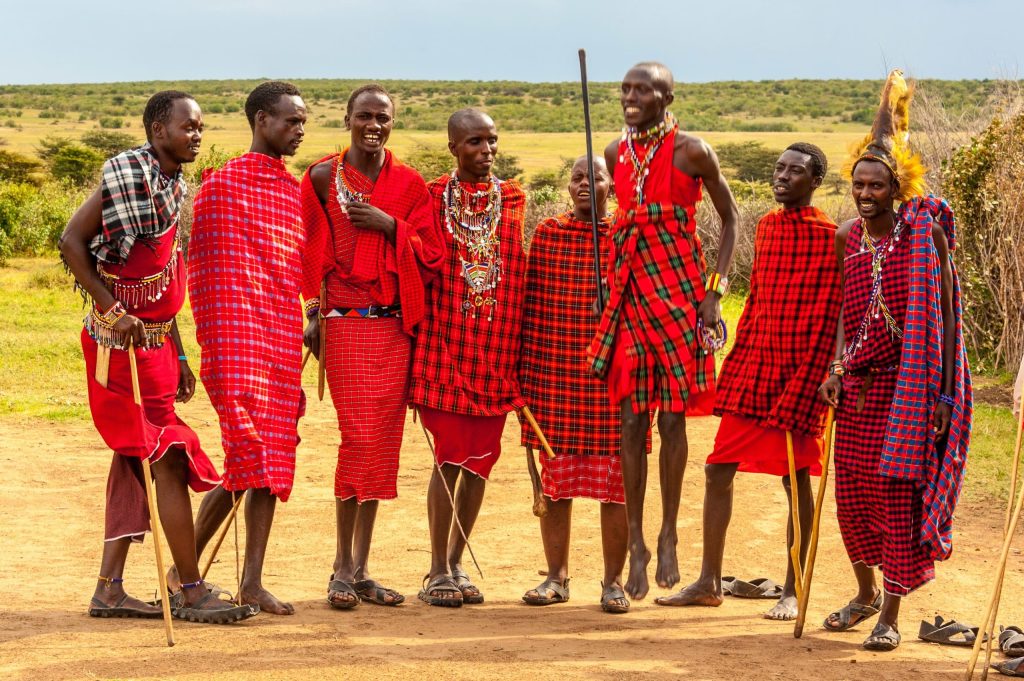
Maasai Cultural Experience: An Authentic Journey into East Africa’s Living Heritage
The Maasai Cultural Experience is one of the most powerful and memorable encounters travelers can have in East Africa. More than just a visit, it is an immersive journey into the traditions, lifestyle, beliefs, and daily life of one of Africa’s most iconic indigenous communities. With Mandrill African Safaris, travelers experience the Maasai culture in a respectful, authentic, and community-supportive way—far beyond staged performances.
Whether you are exploring Kenya’s Maasai Mara or northern Tanzania near Ngorongoro and Serengeti, a Maasai cultural visit adds depth, meaning, and human connection to your African safari.
Who Are the Maasai People?
The Maasai are semi-nomadic pastoralists who have lived in Kenya and Tanzania for centuries. Known for their striking red attire, beadwork, and strong warrior traditions, the Maasai have preserved their culture despite modernization and external pressures.
Key characteristics of the Maasai include:
-
A deep connection to cattle, which represent wealth and social status
-
A strong age-set system, dividing life stages into warriors (Moran), elders, and leaders
-
Oral traditions passed down through storytelling, songs, and rituals
-
A sustainable lifestyle closely linked to nature and wildlife
What Is a Maasai Cultural Experience?
A Maasai cultural experience allows visitors to engage directly with Maasai communities in their villages (manyattas). Rather than observing from a distance, guests are welcomed as honored visitors and introduced to daily life, customs, and beliefs.
With Mandrill African Safaris, cultural visits are carefully designed to ensure:
-
Authentic interaction, not exploitation
-
Respect for traditions and privacy
-
Direct benefits to the local community
Highlights of a Maasai Cultural Visit
1. Warm Traditional Welcome
Your experience begins with a traditional Maasai welcome, often featuring rhythmic singing and the famous Adumu (jumping dance) performed by Maasai warriors. This dance is not just entertainment—it symbolizes strength, unity, and pride.
Visitors are often invited to join in, creating a joyful and memorable cultural exchange.
2. Exploring a Traditional Maasai Village (Manyatta)
A guided walk through a Maasai manyatta gives insight into how families live:
-
Houses built from mud, sticks, grass, and cow dung
-
Enclosures designed to protect cattle from predators
-
A communal lifestyle centered around family and livestock
Your Maasai guide explains how village design reflects survival, cooperation, and environmental adaptation.
3. Learning Maasai Traditions & Daily Life
During the visit, guests learn about:
-
Marriage customs and rites of passage
-
The role of elders and warriors
-
Traditional medicine using local plants
-
How children are raised and educated today
This storytelling aspect is often the most powerful part of the experience, offering deep cultural understanding.
4. Maasai Beadwork & Craftsmanship
Maasai beadwork is world-renowned. Each color has meaning:
-
Red – bravery and unity
-
Blue – sky and water
-
White – purity and milk
-
Green – land and health
Guests can observe how beads are made and purchase handcrafted jewelry directly from Maasai women, supporting local livelihoods.
5. Traditional Fire-Making & Skills Demonstration
Many visits include demonstrations of:
-
Making fire without matches
-
Throwing spears
-
Herding techniques
-
Traditional hunting tools (explained, not practiced)
These skills reflect centuries of survival knowledge passed through generations.
Maasai Culture and Wildlife Conservation
One of the most fascinating aspects of Maasai culture is their peaceful coexistence with wildlife. Despite living alongside lions, elephants, and other dangerous animals, the Maasai traditionally avoided hunting wildlife unnecessarily.
Today, many Maasai communities actively participate in:
-
Community conservancies
-
Anti-poaching efforts
-
Sustainable tourism projects
By choosing a Maasai cultural experience with Mandrill African Safaris, travelers directly contribute to conservation and cultural preservation.
Where to Experience Maasai Culture
Maasai Mara (Kenya)
The Maasai Mara National Reserve is not only famous for the Great Wildebeest Migration but also for its strong Maasai heritage. Cultural visits here can be combined with:
-
Big Five game drives
-
Hot air balloon safaris
-
Luxury or mid-range safari lodges
Ngorongoro & Serengeti (Tanzania)
Near Ngorongoro Conservation Area, Maasai communities live within protected landscapes. Cultural experiences here offer stunning scenery and deep cultural insights, making them ideal for photographers and cultural travelers.
Why Choose Mandrill African Safaris for a Maasai Cultural Experience?
Mandrill African Safaris goes beyond standard tours by offering:
-
Carefully selected, community-approved villages
-
Knowledgeable local guides who interpret culture accurately
-
Ethical tourism practices that respect Maasai traditions
-
Customizable safari itineraries combining culture and wildlife
Every visit is designed to be meaningful, educational, and responsible.
Best Time to Visit Maasai Communities
Maasai cultural experiences are available year-round, but the best times are:
-
June to October – Dry season, ideal for combining culture with wildlife safaris
-
January to February – Short dry season with fewer crowds
Cultural visits are not affected by migration patterns, making them flexible additions to any itinerary.
Who Should Book a Maasai Cultural Experience?
This experience is ideal for:
-
Cultural and heritage travelers
-
Safari photographers and filmmakers
-
Families with children
-
Couples and honeymooners
-
Educational and research groups
It adds emotional depth and human connection to traditional wildlife safaris.
Responsible Travel Tips When Visiting Maasai Communities
To ensure respectful interaction:
-
Ask before taking photographs
-
Dress modestly
-
Listen more than you speak
-
Purchase crafts directly from artisans
-
Avoid giving money to children
Mandrill African Safaris briefs all guests before visits to ensure cultural sensitivity.
Frequently Asked Questions (FAQs)
Is the Maasai cultural experience authentic or staged?
With Mandrill African Safaris, experiences are authentic and community-led, not staged performances.
How long does a Maasai village visit take?
Typically 1.5 to 3 hours, depending on the activities included.
Can children participate?
Yes, Maasai cultural visits are family-friendly and educational for children.
Do Maasai still live traditionally today?
Yes, while adapting to modern life, many Maasai continue traditional practices, especially in rural areas.
Does my visit support the community?
Absolutely. Fees go directly toward education, healthcare, and community development projects.
Final Thoughts: More Than a Visit — A Cultural Connection
A Maasai Cultural Experience is not just an activity—it is a journey into the heart of East Africa’s living heritage. It challenges perspectives, builds understanding, and creates lasting memories.
When combined with a safari, it transforms wildlife viewing into a richer, more meaningful African adventure.


