

What Should First-Time Visitors Know About Kidepo Valley National Park?
2026-03-09
Can Kidepo Valley National Park Compete with Kenya and Tanzania Safaris?
2026-03-09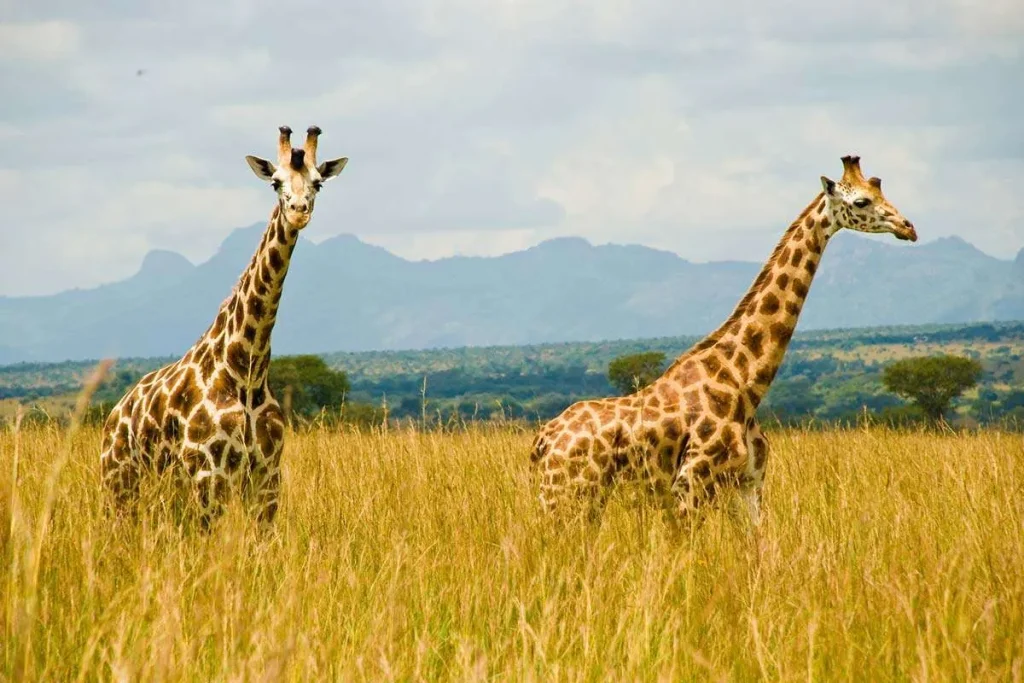
How Remote Is Kidepo Valley National Park Compared to Other Parks?
Discover how remote Kidepo Valley National Park is compared to other Ugandan parks. Learn about distance, accessibility, wildlife, and why this wild destination is perfect for adventurous safari travelers.
Uganda is famous for its diverse national parks, from the gorilla forests of Bwindi Impenetrable National Park to the savannah plains of Queen Elizabeth National Park. Yet among all these wildlife destinations, one park stands apart for its extraordinary isolation and untouched beauty: Kidepo Valley National Park.
Located in the rugged northeastern corner of Uganda near the borders of South Sudan and Kenya, Kidepo is widely considered the most remote and least visited park in the country. This remoteness is not a disadvantage—in fact, it is what makes the park one of Africa’s most authentic safari destinations.
But just how remote is Kidepo compared to other Ugandan national parks? In this guide, Mandrill African Safaris explores the distances, accessibility, infrastructure, and unique experiences that make Kidepo Valley National Park one of the wildest safari destinations in East Africa.
The Geographic Isolation of Kidepo Valley National Park
Kidepo Valley National Park lies in Kaabong District in the remote Karamoja region of northeastern Uganda, far from the country’s major tourism circuit. Its location alone makes it unique compared to other parks.
Unlike popular safari parks located in western or central Uganda, Kidepo sits in a relatively sparsely populated area surrounded by mountains, valleys, and vast savannah plains.
The park covers approximately 1,442 square kilometers and is characterized by dramatic landscapes including the Narus Valley, seasonal rivers, and the Morungole Mountains.
Because of its location, Kidepo is often described as Uganda’s most remote national park, offering visitors a true wilderness experience far from busy tourism hubs.
Distance From Kampala Compared to Other Parks
One of the easiest ways to understand Kidepo’s remoteness is by comparing travel distances from Uganda’s capital, Kampala.
Distance Comparison
| National Park | Distance from Kampala | Travel Time |
|---|---|---|
| Murchison Falls National Park | ~305 km | 5–6 hours |
| Queen Elizabeth National Park | ~410 km | 6–7 hours |
| Lake Mburo National Park | ~240 km | 4–5 hours |
| Bwindi Impenetrable National Park | ~460 km | 8–9 hours |
| Kidepo Valley National Park | ~570–700 km | 10–12 hours |
Traveling to Kidepo by road from Kampala covers about 700 kilometers and usually takes 10–12 hours, depending on the route and road conditions.
This makes it the farthest national park from Uganda’s capital, which naturally limits visitor numbers compared to other parks.
Road Accessibility: Why Kidepo Feels So Remote
Another major factor contributing to Kidepo’s isolation is the road infrastructure leading to the park.
Although major highways in Uganda are paved, the final stretch to Kidepo still includes long sections of murram (unpaved) roads, particularly the 115-kilometer road between Kitgum and the park.
Because of this:
-
A 4×4 safari vehicle is highly recommended
-
Travel can be slower during the rainy season
-
Fuel stations and services are limited in remote areas
For adventurous travelers, however, the journey becomes part of the safari experience itself.
The long drive takes visitors through northern Uganda’s landscapes, small towns, and Karamoja communities—offering cultural encounters rarely seen on mainstream safari routes.
Limited Infrastructure Compared to Other Parks
Popular safari destinations such as Murchison Falls National Park or Queen Elizabeth National Park have developed tourism infrastructure including:
-
Numerous lodges
-
Tarmac access roads
-
Many tour operators
-
High visitor numbers
In contrast, Kidepo Valley National Park remains intentionally less developed.
The park has:
-
Few lodges and camps
-
Limited internet and electricity in surrounding areas
-
Fewer vehicles and tourists
This lack of development preserves Kidepo’s wild character and ensures visitors experience one of Africa’s most authentic safari environments.
Visitor Numbers: The Impact of Remoteness
Remoteness directly affects tourism numbers.
While parks like Queen Elizabeth National Park receive tens of thousands of visitors annually, Kidepo records only a fraction of that number.
For example, the park recorded around 7,600 visitors in 2024, significantly lower than Uganda’s more accessible parks.
But for many travelers, this is exactly what makes Kidepo special.
Instead of crowded game drives, visitors often enjoy:
-
Empty savannah landscapes
-
Private wildlife sightings
-
A peaceful safari atmosphere
Wildlife Experiences in an Untouched Wilderness
Despite its remoteness—or perhaps because of it—Kidepo offers some of the best wildlife viewing in East Africa.
The park hosts animals rarely seen elsewhere in Uganda, including:
-
Cheetahs
-
Ostriches
-
Bat-eared foxes
-
Large buffalo herds
-
Lions
-
Elephants
With over 475 bird species, Kidepo is also a major destination for bird watchers.
Because tourism pressure is low, animals behave naturally, and sightings often feel more authentic than in busier parks.
Cultural Isolation: The Karamoja Experience
Another aspect that makes Kidepo feel remote is the surrounding Karamoja cultural landscape.
The region is home to the Karamojong pastoralists, whose traditional lifestyle has remained largely unchanged for generations.
Visitors to Kidepo can explore:
-
Karamojong homesteads (manyattas)
-
Traditional cattle culture
-
Cultural dances and storytelling
These cultural experiences add a unique dimension rarely found in other Ugandan safari parks.
Flying to Kidepo: The Faster Alternative
For travelers who want to skip the long road journey, flying is an excellent option.
Domestic flights operate from Entebbe International Airport to Apoka Airstrip in Kidepo.
The flight takes about two hours, offering spectacular aerial views of Uganda’s landscapes.
However, flights are more expensive, which further contributes to the park’s exclusivity.
Why Remote Parks Like Kidepo Are Becoming Popular
Interestingly, the very factors that once discouraged tourists are now attracting modern adventure travelers.
Today’s safari visitors increasingly seek:
-
Off-the-beaten-path destinations
-
Authentic wilderness experiences
-
Fewer crowds
-
Untouched landscapes
Kidepo delivers all of these in abundance.
This trend has made the park one of Africa’s rising safari destinations for experienced travelers.
Why Kidepo Is Worth the Journey
Despite its remoteness, visiting Kidepo Valley National Park offers unforgettable rewards:
1. Authentic Wilderness
Few places in Africa feel as untouched and wild.
2. Low Tourist Numbers
Visitors often enjoy game drives without seeing another vehicle.
3. Unique Wildlife
Rare species such as cheetahs and ostriches occur here.
4. Cultural Encounters
The Karamoja region offers authentic cultural experiences.
5. Spectacular Landscapes
Savannah plains, mountains, and valleys create dramatic scenery.
Final Thoughts
So how remote is Kidepo Valley National Park compared to other parks in Uganda?
The answer is simple: very remote—but wonderfully so.
Its distance from major cities, rugged access roads, limited infrastructure, and location in the far northeast of Uganda make it the most isolated national park in the country. Yet these same factors preserve the park’s extraordinary beauty and authenticity.
For travelers seeking a safari far from crowds and close to nature, Kidepo Valley National Park offers an experience unlike anywhere else in Uganda.
With expert planning and guidance from Mandrill African Safaris, visiting this hidden wilderness becomes an unforgettable adventure into Africa’s last great frontier.
FAQs
Is Kidepo Valley National Park the most remote park in Uganda?
Yes. Kidepo Valley National Park is widely considered the most remote national park in Uganda due to its location in the northeastern Karamoja region and its distance of about 700 km from Kampala.
How long does it take to reach Kidepo from Kampala?
Traveling by road takes approximately 10–12 hours, while domestic flights from Entebbe take about 2 hours.
Why do fewer tourists visit Kidepo?
Its remote location, long travel time, and limited infrastructure discourage mass tourism, which keeps the park uncrowded.
Can you fly to Kidepo Valley National Park?
Yes. Domestic flights operate from Entebbe or Kajjansi to Apoka Airstrip within the park.
Is Kidepo worth visiting?
Absolutely. Kidepo offers one of Africa’s most authentic safari experiences with incredible wildlife, stunning landscapes, and minimal crowds.


