

Ultimate Guide to Gorilla Trekking in Bwindi Impenetrable National Park
2025-11-27
Visa and Entry Requirements for Visiting Bwindi, Uganda
2025-11-28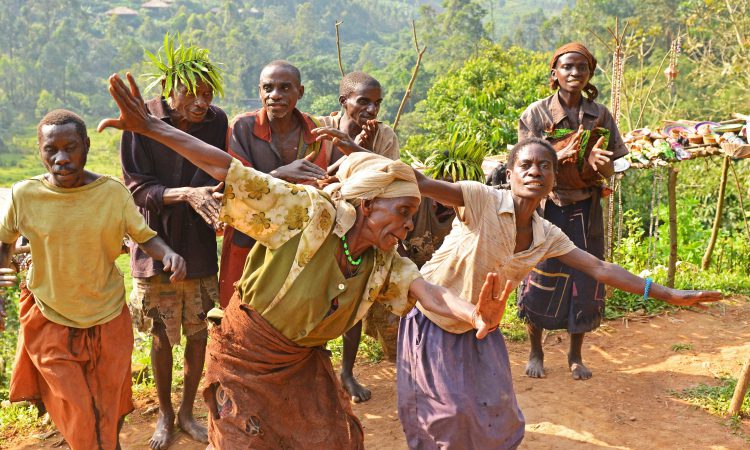
How Bwindi Supports Uganda’s Sustainable Tourism: A Deep Dive with Mandrill African Safaris
Uganda, often called the “Pearl of Africa,” is home to some of the world’s most iconic wildlife and breathtaking landscapes. Among its natural treasures, Bwindi Impenetrable National Park stands out, not only for its incredible biodiversity but also for its pivotal role in supporting sustainable tourism in Uganda. Mandrill African Safaris is dedicated to promoting responsible travel experiences, and Bwindi offers the perfect opportunity for travelers to engage with nature in an ethical and sustainable way.
Understanding Sustainable Tourism in Uganda
Before diving into Bwindi’s contributions, it’s important to define sustainable tourism. Sustainable tourism refers to travel that minimizes negative environmental and social impacts, contributes to the local economy, preserves cultural heritage, and promotes conservation. For Uganda, a country with rich wildlife and cultural diversity, sustainable tourism is more than a trend—it is essential for long-term ecological and community well-being.
Bwindi Impenetrable National Park exemplifies this model by combining ecotourism, conservation, and community development.
Bwindi Impenetrable National Park: A Natural Marvel
Located in southwestern Uganda along the border with the Democratic Republic of Congo, Bwindi covers approximately 331 square kilometers of dense rainforest. The park is a UNESCO World Heritage Site, recognized for its exceptional biodiversity and as a critical habitat for the endangered mountain gorilla.
Bwindi is also a birdwatcher’s paradise, boasting over 350 species of birds, including rare and endemic species. Visitors can spot everything from the African Green Broadbill to the Black-faced Rufous Warbler, making Bwindi a hotspot for nature enthusiasts and birdwatchers alike.
Its ancient forest ecosystem also contains unique plant species, medicinal herbs, and towering trees that are hundreds of years old. This natural wealth makes Bwindi not just a destination for wildlife lovers but a hub for eco-conscious tourism.
Gorilla Trekking: The Flagship of Sustainable Tourism
One of Bwindi’s most famous attractions is gorilla trekking, which has become a cornerstone of Uganda’s sustainable tourism strategy. Gorilla trekking involves guided hikes into the forest to observe mountain gorillas in their natural habitat. Mandrill African Safaris offers expertly guided treks that balance tourist satisfaction with conservation ethics.
Economic Benefits for Local Communities
Tourist fees from gorilla trekking are a significant source of income for both the Ugandan government and the local communities surrounding Bwindi. A portion of the permit fees is reinvested in community projects, such as schools, health clinics, and clean water initiatives. This approach ensures that local populations benefit directly from conservation, reducing incentives for activities that harm wildlife, such as poaching or illegal logging.
Conservation Incentives
Gorilla trekking creates strong financial incentives to protect wildlife. Since mountain gorillas are critically endangered, their survival depends on strict anti-poaching measures and forest protection. By linking economic benefits to gorilla conservation, Bwindi demonstrates how tourism can drive positive environmental outcomes.
Community-Based Tourism Initiatives
Sustainable tourism is not just about wildlife; it is also about empowering local communities. Around Bwindi, numerous community-based tourism (CBT) projects allow visitors to interact with local people and learn about their culture while supporting livelihoods.
Cultural Experiences
Mandrill African Safaris ensures travelers can experience the Batwa pygmy community, one of Uganda’s oldest indigenous groups. Visitors can learn about traditional forest lifestyles, crafts, and music. By participating in these experiences, tourists contribute to cultural preservation while providing income that supports education, healthcare, and sustainable livelihoods.
Eco-Lodges and Sustainable Accommodation
Several eco-lodges around Bwindi are designed to minimize environmental impact. These lodges use solar energy, rainwater harvesting, and locally sourced materials, aligning with Uganda’s broader sustainable tourism goals. Choosing eco-friendly accommodations ensures that tourism reduces carbon footprints while promoting responsible travel practices.
Protecting Biodiversity Beyond Gorillas
While mountain gorillas are Bwindi’s stars, the park’s biodiversity goes far beyond them. Protecting the forest ensures the survival of numerous species, many of which are endemic or threatened.
-
Birds: Over 350 species, including the Great Blue Turaco and Grauer’s Swamp Warbler.
-
Primates: Besides gorillas, Bwindi is home to chimpanzees, black-and-white colobus monkeys, and L’Hoest’s monkeys.
-
Plants: Unique medicinal plants and hardwoods that are vital to local communities’ health and economy.
Sustainable tourism ensures that visitors appreciate the full ecological value of Bwindi while contributing to the protection of these species.
Environmental Conservation Programs
Bwindi Impenetrable National Park is not just a tourist destination—it is a living laboratory for conservation. Several programs focus on reforestation, anti-poaching, and habitat restoration.
-
Reforestation Projects: Trees cut down over centuries are being replanted to restore forest cover, prevent soil erosion, and improve water quality.
-
Anti-Poaching Patrols: Trained rangers work tirelessly to protect gorillas and other wildlife from illegal hunting.
-
Sustainable Agriculture Programs: Local communities are trained in environmentally friendly farming techniques to reduce deforestation and habitat loss.
Mandrill African Safaris partners with these initiatives by educating tourists about responsible behavior in the park, ensuring that the ecological impact of visitors remains minimal.
Research and Education
Bwindi also serves as a hub for scientific research and environmental education. By supporting studies on gorilla behavior, biodiversity, and climate change, tourism revenue contributes to global knowledge and conservation strategies.
Tourists visiting Bwindi have the opportunity to learn from rangers and researchers, gaining insight into the complexities of rainforest ecosystems and the delicate balance required for sustainable tourism.
Adventure Tourism Meets Sustainability
Sustainable tourism doesn’t mean giving up adventure. Bwindi offers a variety of eco-friendly adventure activities, such as:
-
Nature walks and hiking: Explore the forest trails with minimal environmental impact.
-
Birdwatching tours: Spot rare and endemic species with guided tours.
-
Community visits: Engage with local communities in responsible cultural experiences.
Mandrill African Safaris ensures that every adventure aligns with ethical tourism principles, allowing visitors to enjoy Uganda’s natural beauty without harming it.
The Role of Mandrill African Safaris
As a leading safari operator in Uganda, Mandrill African Safaris plays a key role in promoting sustainable tourism in Bwindi. Here’s how we contribute:
-
Responsible Wildlife Tourism: Ensuring that gorilla trekking and other activities follow strict conservation guidelines.
-
Supporting Local Communities: Partnering with villages and indigenous groups to provide authentic cultural experiences.
-
Eco-Friendly Travel: Offering accommodations, transport, and tours designed to minimize environmental impact.
-
Education and Awareness: Educating travelers about the importance of conservation and responsible tourism practices.
By combining expert knowledge, personalized experiences, and a focus on sustainability, Mandrill African Safaris ensures that every visit to Bwindi is both memorable and responsible.
Why Sustainable Tourism in Bwindi Matters Globally
Bwindi Impenetrable National Park is not just important for Uganda—it is a global conservation asset. Protecting mountain gorillas and the rainforest contributes to:
-
Climate change mitigation: Forests act as carbon sinks.
-
Biodiversity preservation: Maintaining ecosystems that are home to countless species.
-
Global awareness: Educating international tourists about the importance of conservation.
Through sustainable tourism, visitors can actively contribute to global ecological health while enjoying a once-in-a-lifetime wildlife experience.
Practical Tips for Tourists Visiting Bwindi
To make the most of a sustainable trip to Bwindi, travelers should:
-
Book with certified safari operators like Mandrill African Safaris.
-
Respect wildlife: Maintain safe distances and follow ranger instructions.
-
Support local communities: Purchase authentic handicrafts and participate in community tours.
-
Reduce waste: Carry reusable water bottles and minimize plastic use.
-
Choose eco-lodges: Stay in accommodations that prioritize sustainability.
By following these simple steps, every tourist can contribute positively to Uganda’s sustainable tourism goals.
Conclusion
Bwindi Impenetrable National Park is a shining example of how wildlife conservation, community development, and sustainable tourism can coexist. From mountain gorillas and endemic birds to eco-lodges and cultural experiences, Bwindi offers travelers a chance to connect deeply with nature while supporting Uganda’s long-term ecological and social well-being.
Mandrill African Safaris is proud to guide visitors through Bwindi, ensuring that every adventure is responsible, enriching, and transformative. By choosing sustainable tourism, you are not only experiencing Uganda’s beauty but also contributing to a future where wildlife thrives, communities prosper, and forests flourish.


