

Exploring Pointe-Denis: Libreville’s Hidden Beach Paradise
2026-04-01
Top Local Dishes to Try in Libreville: Guide to Gabonese Cuisine
2026-04-02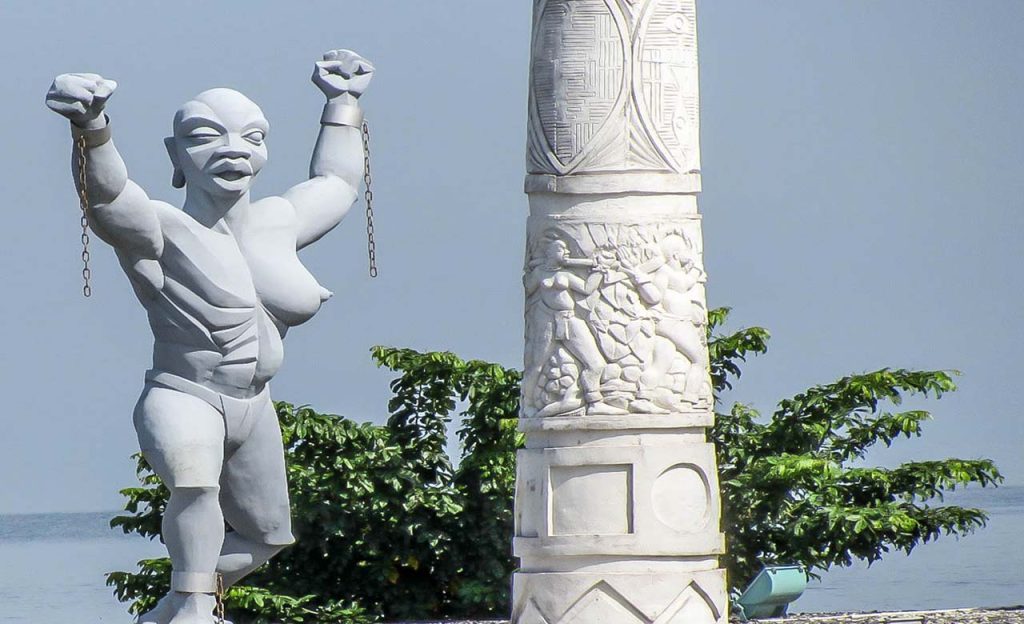
Historical Landmarks to Visit in Libreville:
Discover the top historical landmarks to visit in Libreville, Gabon. Explore colonial architecture, cultural sites, and iconic monuments that define the capital’s rich heritage.
Introduction
Nestled along the Atlantic coast, Libreville is a vibrant blend of history, culture, and modern African life. While many travelers know Gabon for its pristine rainforests and wildlife safaris, Libreville holds a different kind of treasure—its rich historical and cultural landmarks.
From colonial-era architecture to symbolic monuments that tell the story of independence, Libreville offers travelers a unique opportunity to explore the heart and soul of Gabon’s past. Whether you’re a history enthusiast, a cultural traveler, or simply looking to enrich your itinerary, these landmarks are must-visit destinations.
Let’s take a deep dive into the most fascinating historical landmarks in Libreville.
1. St. Michael’s Church (Église St-Michel de Nkembo)
One of the most iconic landmarks in Libreville, St. Michael’s Church stands as a masterpiece of religious and cultural artistry. Built in the 20th century, this church is famous for its intricately carved wooden columns, each telling a story of Gabonese traditions and spirituality.
Unlike typical European-style churches, this structure beautifully blends African craftsmanship with Christian symbolism, making it a unique architectural gem.
Why Visit?
- Admire over 30 hand-carved wooden pillars
- Experience a peaceful spiritual atmosphere
- Capture stunning architectural photography
This landmark is not just a place of worship—it’s a living museum of Gabonese identity.
2. Presidential Palace (Palais Présidentiel)
The Presidential Palace is one of the most significant political landmarks in Libreville. While visitors cannot enter the building, its grand exterior and strategic location make it worth a visit.
This site symbolizes Gabon’s post-independence governance and political evolution since gaining independence from France in 1960.
Highlights
- Impressive modern architecture
- Insight into Gabon’s political history
- Great for exterior photography
A stop here gives you a sense of the nation’s leadership and modern identity.
3. National Museum of Arts and Traditions
If you want to understand Gabon’s cultural roots, the National Museum is a must-visit. It houses a rich collection of artifacts, including:
- Traditional masks
- Tribal sculptures
- Ancient tools and ceremonial objects
The museum showcases the diverse ethnic groups of Gabon and their historical evolution.
Why It Matters
This museum connects visitors to Gabon’s pre-colonial and colonial history, offering context to many of the cultural symbols seen across the country.
4. Pointe Denis Lighthouse
Located across the estuary from Libreville, Pointe Denis Lighthouse is both a historical and scenic attraction. It played a crucial role in guiding ships safely into the harbor during the colonial era.
What Makes It Special?
- Stunning ocean views
- Historical maritime significance
- Perfect for day trips and photography
Combining history with relaxation, this site is ideal for travelers looking to escape the city while still exploring its past.
5. Independence Monument
The Independence Monument is a powerful symbol of Gabon’s freedom from colonial rule. It commemorates the country’s independence achieved in 1960.
Standing tall in Libreville, this monument reflects national pride and unity.
Visitor Experience
- Learn about Gabon’s independence journey
- Take memorable photos
- Reflect on the nation’s history
It’s a meaningful stop for anyone interested in African political history.
6. Arboretum de Sibang
While primarily known as a natural reserve, Arboretum de Sibang also holds historical significance. It represents one of the last remnants of the dense rainforest that once covered Libreville.
Why Include It?
- A glimpse into Gabon’s environmental history
- Home to rare plant species
- Peaceful walking trails
This site tells the story of how urban development has shaped the region over time.
7. Mont-Bouët Market
Though not a traditional “monument,” Mont-Bouët Market is a historical and cultural landmark in its own right. It has been a central hub of trade for decades.
Here, you’ll experience:
- Local crafts and textiles
- Traditional foods
- Everyday Gabonese life
Cultural Importance
Markets like this preserve the living traditions of Gabonese communities, making them essential to understanding the country’s heritage.
8. Cathedral of Our Lady of the Assumption
This cathedral is another key religious landmark in Libreville. With its elegant design and serene atmosphere, it represents the influence of Christianity during the colonial period.
Highlights
- Beautiful stained-glass windows
- Peaceful ambiance
- Historical religious significance
It’s a perfect stop for quiet reflection and appreciation of architecture.
9. Omar Bongo Mausoleum
Dedicated to Gabon’s long-serving president, this mausoleum is a modern historical landmark that reflects the country’s recent political history.
Why Visit?
- Learn about Gabon’s leadership legacy
- Observe modern monument design
- Understand the impact of Omar Bongo on Gabon
This site provides insight into contemporary history and governance.
10. Port Mole Area
The Port Mole area is one of the oldest parts of Libreville and has long served as a gateway for trade and cultural exchange.
What to Expect
- Colonial-era influences
- Waterfront views
- Vibrant local life
Walking through this area feels like stepping back in time while still experiencing the city’s modern energy.
Why Visit Historical Landmarks in Libreville?
Exploring Libreville’s landmarks offers more than just sightseeing—it provides a deeper understanding of Gabon’s identity.
Key Benefits:
- Learn about colonial and post-colonial history
- Experience authentic African culture
- Discover unique architecture and art
- Connect with local traditions
Unlike more commercialized destinations, Libreville offers a raw and authentic travel experience that feels personal and meaningful.
Travel Tips for Visiting Libreville Landmarks
To make the most of your historical tour, keep these tips in mind:
1. Best Time to Visit
The dry seasons (June to September and December to February) are ideal for exploring.
2. Local Guides
Hiring a guide enhances your experience with deeper historical insights.
3. Dress Modestly
Especially when visiting religious sites.
4. Transportation
Taxis are widely available, but arrange transport in advance for convenience.
5. Safety
Libreville is relatively safe, but always stay aware of your surroundings.
Combine History with Adventure
One of the best things about visiting Libreville is the ability to combine cultural exploration with nature and wildlife.
With Mandrill African Safaris, you can easily extend your trip to include:
- Gorilla trekking in Loango National Park
- Beach excursions along the Atlantic coast
- Rainforest adventures
This combination makes Gabon a truly unique destination in Africa.
Conclusion
Libreville is more than just Gabon’s capital—it’s a gateway into the country’s history, culture, and identity. From the artistic beauty of St. Michael’s Church to the symbolic power of the Independence Monument, each landmark tells a story worth discovering.
Whether you’re walking through bustling markets, exploring museums, or admiring colonial architecture, you’ll find that Libreville offers a rich and rewarding travel experience.
For travelers seeking something beyond the ordinary, these historical landmarks provide the perfect introduction to Gabon’s heritage.
FAQs
1. What is the most famous landmark in Libreville?
St. Michael’s Church is widely considered the most iconic due to its unique wooden carvings.
2. Is Libreville good for cultural tourism?
Yes, Libreville is rich in cultural and historical attractions, making it ideal for cultural travelers.
3. Are Libreville landmarks safe to visit?
Most landmarks are safe, especially during the day. Always follow standard travel precautions.
4. How many days do you need in Libreville?
2–3 days are enough to explore major historical and cultural sites.
5. Can I combine Libreville with safari experiences?
Absolutely! Mandrill African Safaris offers packages that combine city tours with wildlife adventures.


